
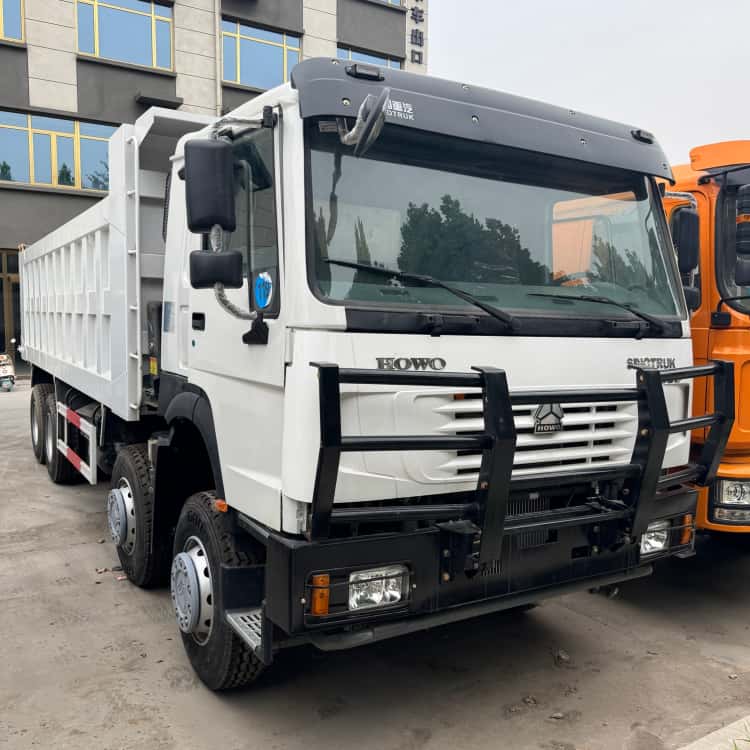
Howo Reman Tipper Truck 380 8×4
Genuine industrial remanufacturing strictly follows OEM tolerance standards. This Howo reman tipper truck retains original spare‑part compatibility, bringing convenience for global after‑sales maintenance and component replacement.
Howo Reman Tipper Truck Description
- Remanufacturing also embodies circular‑economy value. By effectively reusing qualified base chassis and metal components, reman Sinotruk Howo 8×4 truck tipper reduces raw‑material consumption compared with manufacturing brand‑new trucks.
- Customers obtain cost‑competitive heavy‑duty transport equipment while realizing lower‑carbon fleet procurement.
Parameter Table
- Model: Reman Howo 380 Tipper Truck 8×4
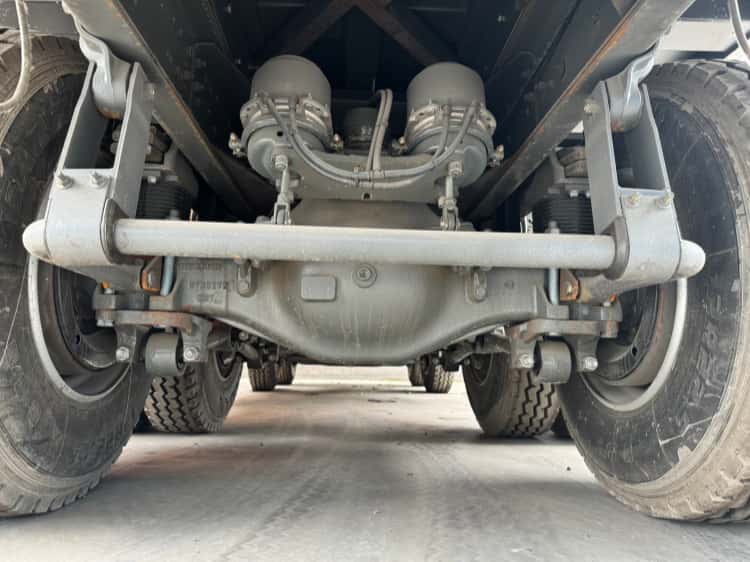
- Drive Form: 8×4, heavy‑load rear‑axle traction, reman inspected axle housing & gear set
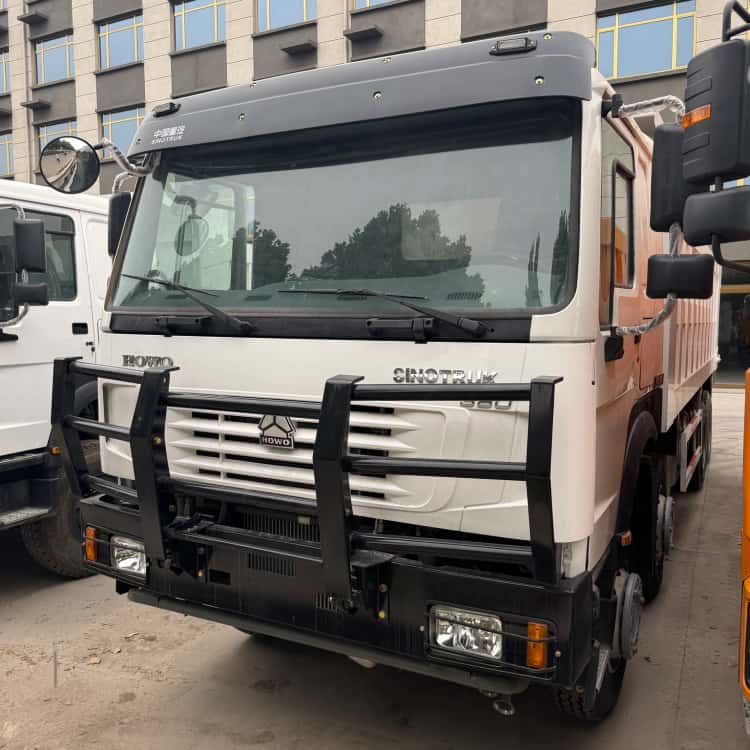
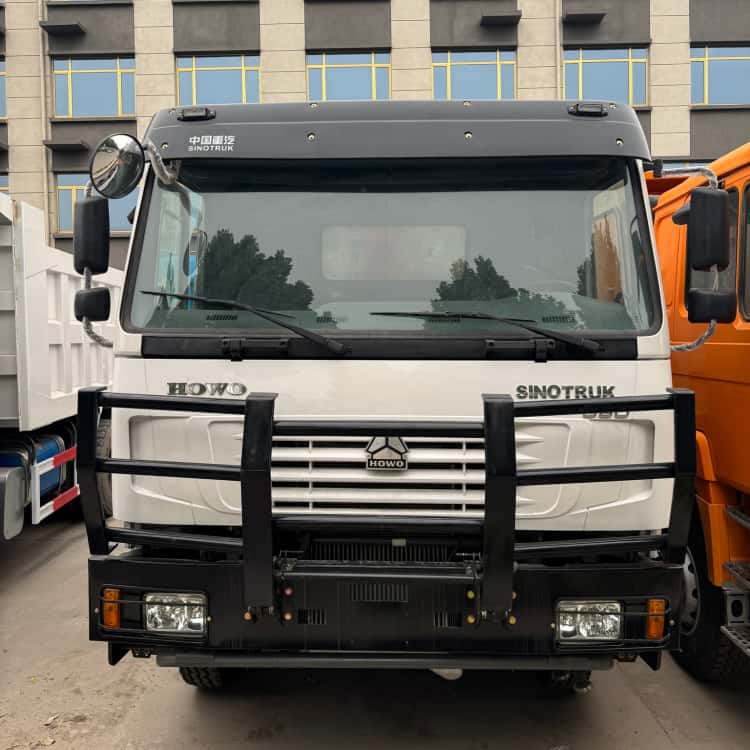
- Cab: Original HOWO cabin, interior renovated, full electrical system overhaul
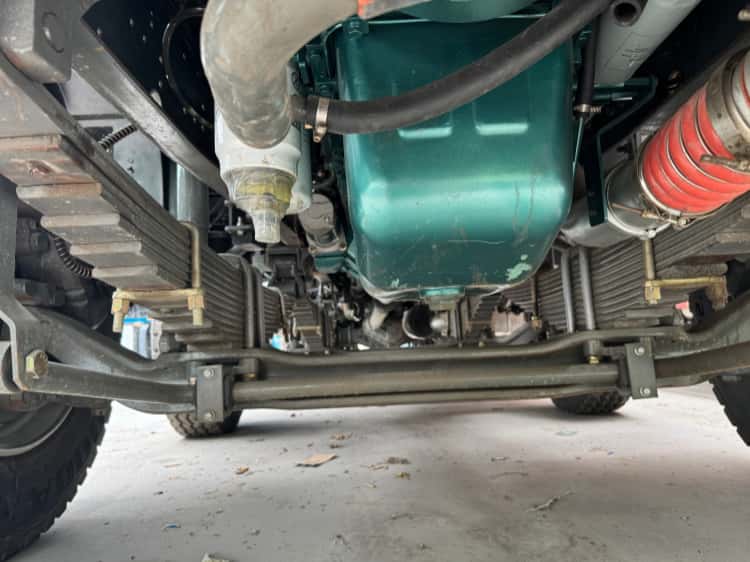
- Engine: Industrial remanufactured diesel engine, worn internal parts replaced, power restored to OEM standard
- Gearbox: Full disassembly inspection, bearings & worn gears renewed, shifting performance calibrated
- Rear Axle: Heavy‑duty rear axles inspected, fatigue components replaced, differential recalibrated
- Chassis Frame: Magnetic particle crack detection, stress‑zone reinforcement, anti‑corrosion treatment, original parameters kept
- Cargo Box: High‑strength tipper body, weld inspection & reinforcement, wear‑resistant treatment
- Hydraulic System: Pump, valve and cylinder overhauled, all seal kits replaced, passed repeated full‑load lifting test
- Braking System: Wearing parts fully renewed, braking sensitivity calibrated for heavy‑load operation
- Tyre: Tire wear inspected, over‑worn units replaced; wheel hubs calibrated for deformation
Truck Remanufacturing Workflow
- Raw Vehicle Screening: Screen base trucks, reject heavily‑damaged units, record wear conditions and define reman targets.
- Full Disassembly & Parts Sorting: Dismantle all core assemblies, classify components into qualified‑reusable, repairable and scrap parts.
- Cleaning & Precision Inspection: Deep‑clean components, run dimension measurement and chassis crack‑detection to find hidden fatigue damage.
- Core Parts Renewal & Rebuild: Replace safety‑critical worn parts, rebuild powertrain and hydraulic systems complying with OEM standards.
- Chassis Reinforcement & Anti‑Corrosion: Repair frame micro‑cracks, strengthen stress points and complete whole‑chassis anti‑corrosion treatment.
- Reassembly & System Calibration: Reassemble per OEM torque standards, recalibrate power, braking and hydraulic lifting performance.
- Heavy‑Load Simulation Testing: Complete engine bench, full‑load dumping and road‑braking tests to eliminate hidden failures.
- Finishing & Document Delivery: Finish vehicle finishing, hand over complete traceable reman records for fleet maintenance reference.
Howo Reman Tipper Batch Fleet Procurement Value
- Uniform reman technical standard for all batch‑order vehicles, avoid quality inconsistency caused by purchasing scattered used trucks.
- Can carry out unified site‑targeted optimization for whole fleet according to your mine or engineering‑project working‑condition.
- Supply unified batch‑package reman‑document archives, simplify large‑scale fleet asset‑management and cost‑accounting work.
- Realize one‑time batch‑delivery, shorten fleet‑construction cycle for your new‑started project.
- Support unified remote‑technical‑guidance service for whole reman fleet.
Common Procurement Traps For Howo Reman Tipper
- Trap 1: Confusing simple refurbishment with genuine remanufacturing. Beautiful painting appearance cannot represent internal mechanical condition.
- Trap 2: Merchants only rebuild engine while leaving gearbox, axles and hydraulic assemblies untreated, selling partial‑overhaul trucks as full reman products.
- Trap 3: No formal chassis non‑destructive flaw‑detection report, only visual manual inspection for frame.
- Trap 4: Without clear parts‑replacement list, cannot confirm whether safety‑critical wearing‑parts get renewed.
- Trap 5: Lack of full‑load simulation test, only simple idle‑running test before delivery. Hidden faults will break out after arriving at your site.
RFQ
- Q: How do you handle matching tolerance between retained original parts and brand‑new replacement parts?
A: Reserved original components must pass OEM‑standard dimension screening. All replacement spare‑parts adopt original‑matching accessories. After reassembly, system calibration and bench test eliminate matching deviation risk. - Q: Can Howo reman tipper truck improve the historical weak‑point defects of this old‑generation model?
A: Yes. Without changing original chassis structure, we optimize known weak links: upgrade hydraulic sealing performance, strengthen chassis anti‑corrosion capacity and recalibrate brake‑system response for heavy‑duty scenarios. - Q: What risk will we take if we select low‑cost non‑standard rebuilt trucks on market?
A: Non‑standard rebuilt skips full‑disassembly and flaw‑detection steps. Fatigued safety‑parts remain inside vehicle. Hidden faults will break out under heavy‑load mine‑site operation, triggering safety hazards and project shutdown loss. - Q: How to judge whether one Howo reman tipper truck implements real component‑level reman or just surface refurbishment?
A: Check whether core assemblies are fully disassembled; verify formal chassis non‑destructive crack‑detection report; check complete parts‑replacement list; confirm finished‑vehicle multi‑item heavy‑load test records. - Q: For Howo reman tipper truck, what maintenance priorities should we pay attention to?
A: Focus inspection on reman‑renewed assemblies according to delivered parts‑replacement list; regularly check chassis reinforced welding areas; inspect hydraulic sealing components periodically under frequent‑dumping working conditions. - Q: How about residual‑value performance of reman Howo tipper truck with complete official reman records?
A: Complete traceable reman documents greatly improve vehicle‑condition transparency. Compared with undocumented refurbished or used trucks, it enjoys higher market recognition and slower depreciation rate during secondary resale.