
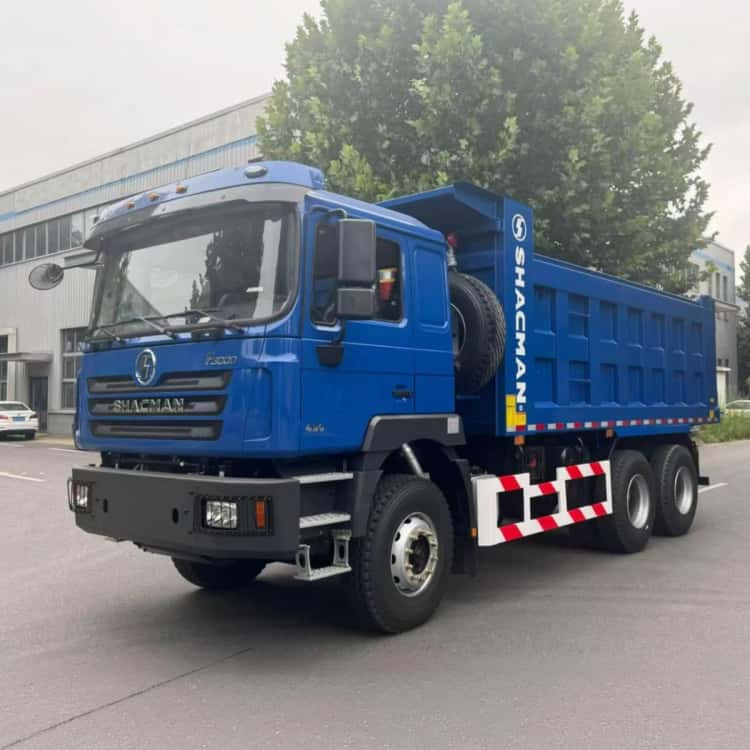
Reman SHACMAN F3000 430 6×4 Tipper Truck
REMAN ROAD SHACMAN reman tipper truck F3000 430 6×4 rebuilds core powertrain and hydraulic lifting systems, refreshing cabin and cargo body to handle repetitive loading and dumping cycles.
Reman SHACMAN F3000 430 Description
- Built for harsh mining and infrastructure sites, REMAN ROAD SHACMAN reman tipper truck undergoes full teardown and precision rebuilding.
- Worn bearings, seals and valve assemblies get renewed, and all vehicle systems are calibrated to match original performance specs.
- Reman tipper truck delivers steady productivity for bulk earthworks with a far lower total cost of ownership than new trucks.
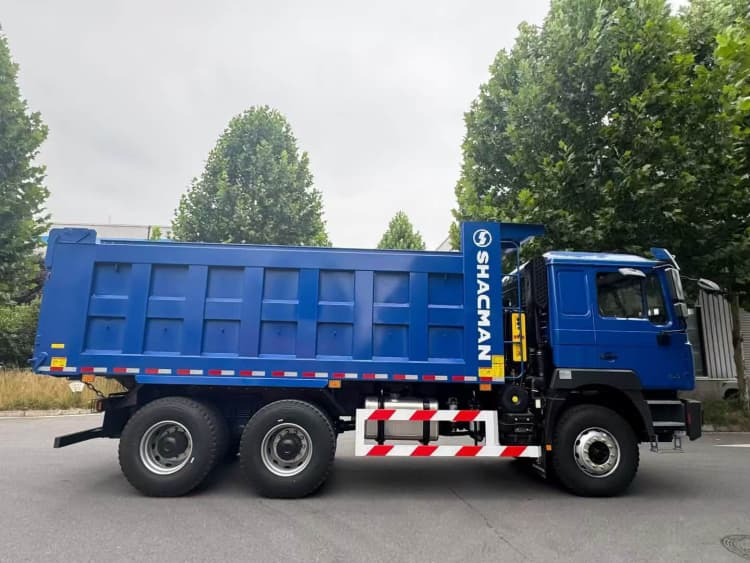
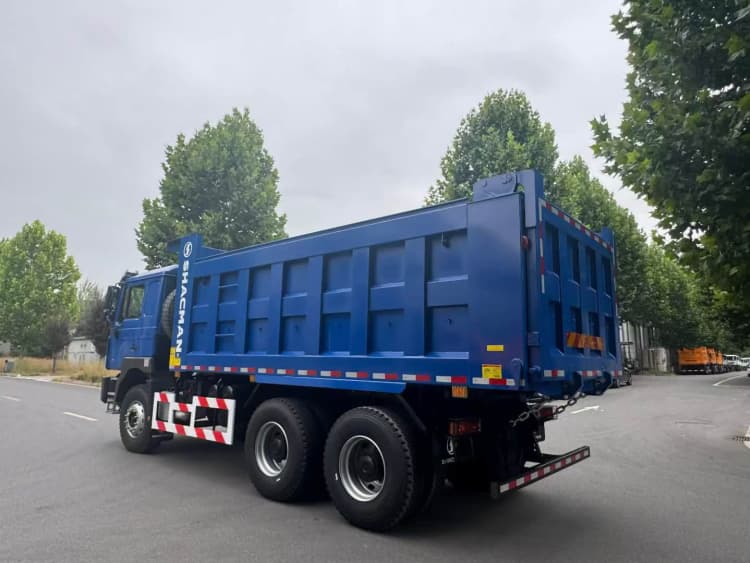
Parameter Table
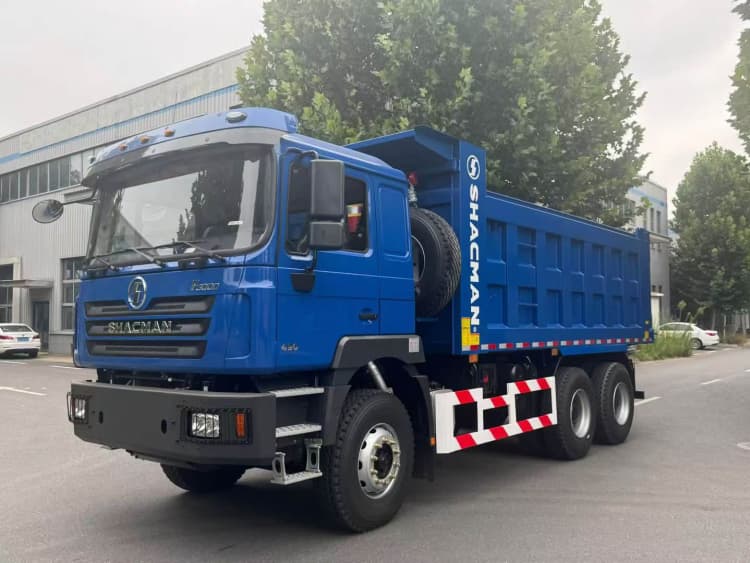
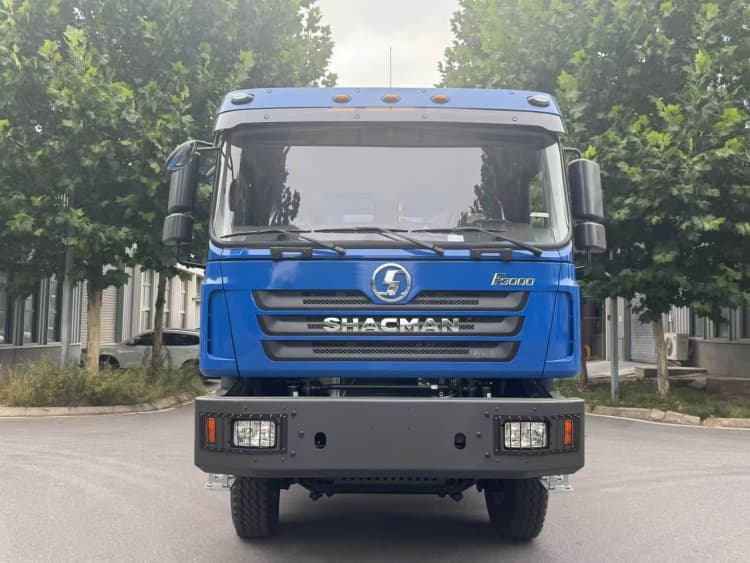
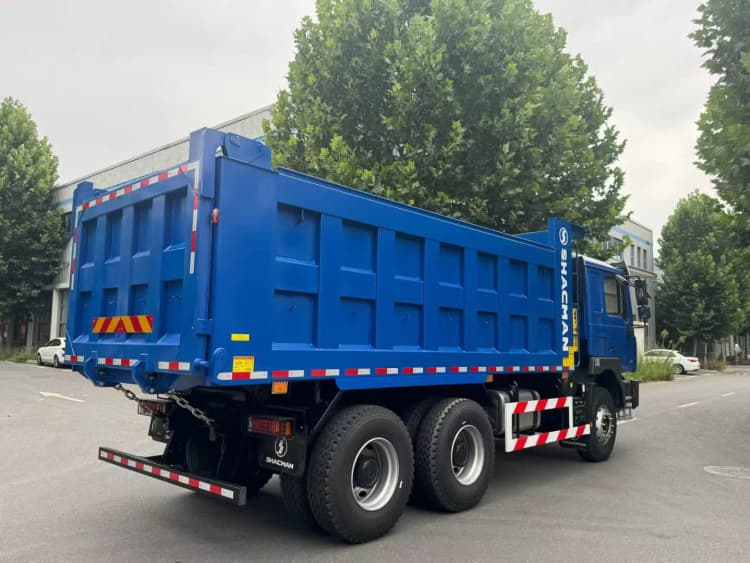
- Model: Reman SHACMAN F3000 6×4 430 Tipper Truck
- Drive Form: 6×4, reman inspected drive axles, differential rebuilt & bench tested
- Engine: Original F3000 engine fully remanufactured, overhauled with new seals, bearings, gaskets, power output calibrated
- Transmission: Reman gearbox, disassembly inspection, worn gear parts renewed, bench-tested
- Axles: Reman drive axles, housing inspected, differential components rebuilt
- Suspension: Leaf spring suspension; all fatigue bushings, shock absorbers replaced during reman
- Chassis Frame: Original heavy-duty frame, non-destructive crack detection, deformed areas repaired or reinforced in reman process
- Cargo Box: Reman cargo box, plate reinforcement & wear protection, hydraulic lifting system fully rebuilt
- Hydraulic System: Reman hydraulic pump, cylinder and control circuit, continuous repeated lifting cycle fatigue test
- Cab: Remanufactured cabin, safety lighting & mirror assemblies renewed, sealing restored
- Braking System: Full reman overhaul, brake pads, air valves replaced, braking performance validated
- Tyres & Wheels: New/reman inspected wheels, new tires supplied as selected option
Circular Economy Value of Reman Tipper Truck
Heavy truck manufacturing consumes large volumes of steel, alloy and fossil fuel. Remanufacturing reduces resource waste and cuts industrial carbon emissions.
- Reduce raw ore mining and metal smelting demand by reusing qualified heavy cast components.
- Cut manufacturing energy consumption dramatically compared with building a completely new vehicle.
- Reduce industrial scrap volume: Avoid sending intact chassis and axles into metal recycling prematurely.
- Create a closed loop for heavy vehicle assets: old vehicle → reman → operation → core parts recovery for next reman.
Reman Tipper Truck Hydraulic Tipping System
The hydraulic dump system is the most frequently stressed part on a tipper truck. REMAN ROAD reman process fully rebuilds this system to prevent on-site lifting failure.
- Full disassembly of hydraulic cylinders, pumps, control valves and oil tanks.
- Replace aging seals, hoses and O-rings to eliminate internal and external oil leakage.
- Clean oil circuits, test lifting speed, load holding function and emergency lowering.
- Run repeated full lifting cycles to validate stability under rated load.
RFQ
- Q1: What parts will be replaced during remanufacturing of the SHACMAN reman tipper truck?
A1: All consumable and fatigue-limited components are replaced, including seals, bearings, gaskets, brake pads, hoses and damaged fasteners. Repairable core parts are machined and rebuilt; parts with irreparable cracks will be swapped with reman qualified replacements. - Q2: What kind of working environments is SHACMAN reman tipper truck suitable for?
A2: It fits quarry mining, infrastructure earthworks, sand & aggregate transportation, landfill and rural road construction. The reman process strengthens weak points to adapt to rough, dusty, high-load site environments. - Q3: Is the SHACMAN reman tipper truck compliant with emission standards in my target market?
A3: We can tune and upgrade engine emission components during reman, to meet different regional emission requirements. Please advise your destination market, and we will match the reman build accordingly. - Q4: What is the typical lead time for a batch order of reman tipper truck?
A4: Lead time depends on order quantity and custom reman requirements. Standard specification units usually have shorter lead time, while heavily customized reman builds require longer processing cycles.