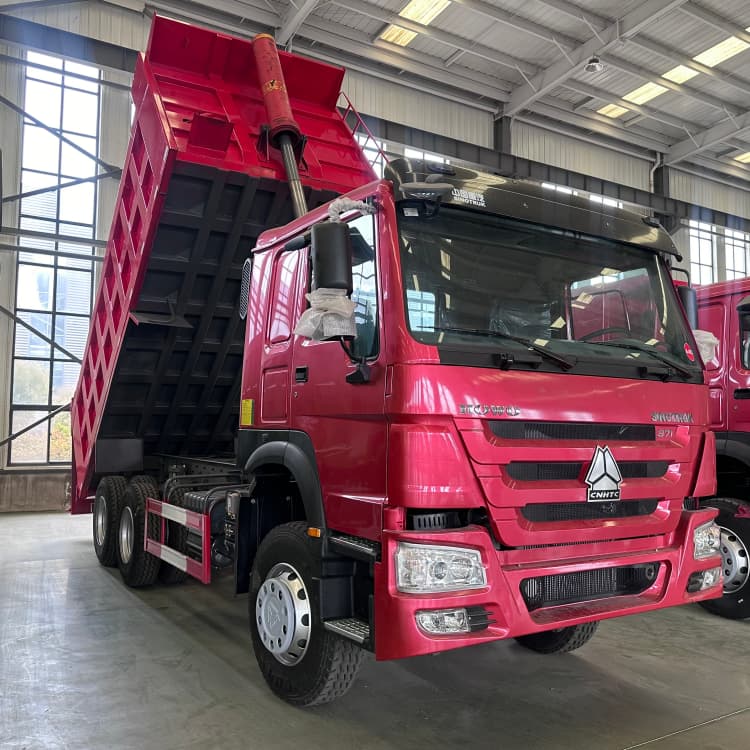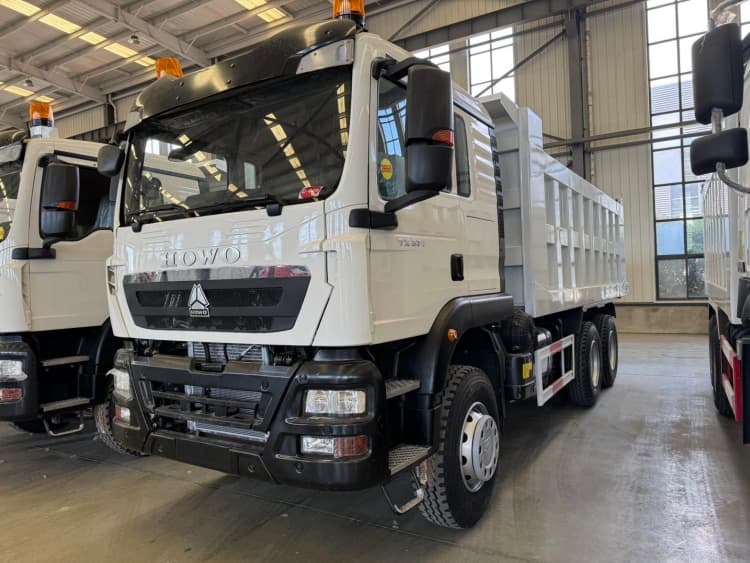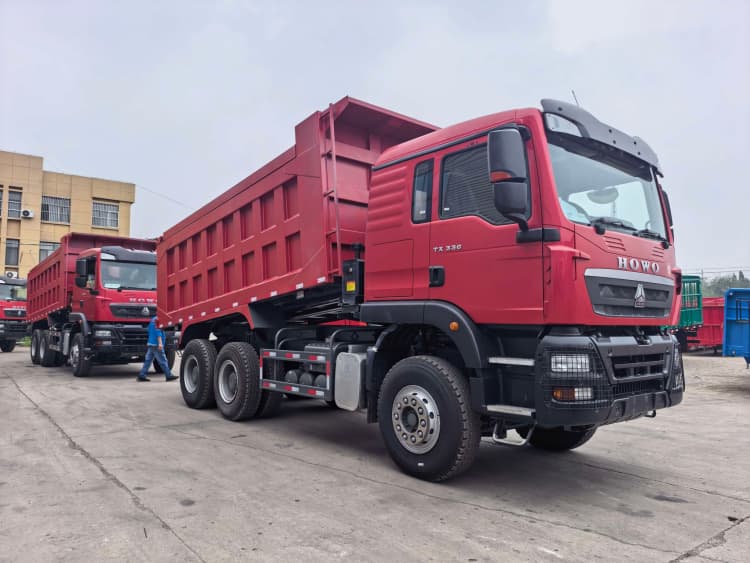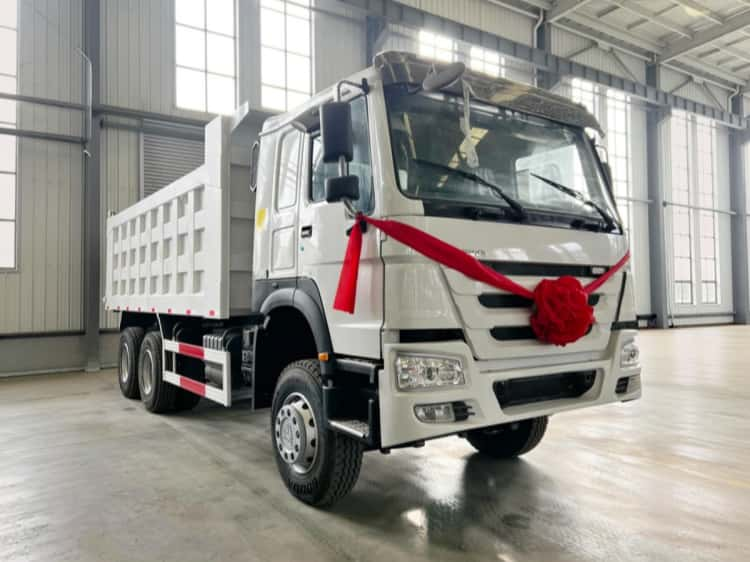
Total Cost of Ownership: Why Certified Reman Trucks Lower Long-Term Fleet Expenses
Introduction
When fleet managers evaluate heavy truck procurement, many focus only on upfront purchase price. But the sticker price represents just one portion of the total cost of ownership, or TCO. TCO captures every expense across an asset’s entire service period: capital cost, maintenance, repair, downtime losses, depreciation, insurance and residual value.
Certified reman trucks deliver compelling TCO advantages. While their purchase price sits between new and ordinary used trucks, they reduce many large, recurring hidden costs that often overwhelm fleets running conventional second-hand vehicles. This article breaks down how standardized remanufacturing work drives down long-term fleet expenses.
What Is Fleet TCO for Heavy-Duty Trucks?
Total Cost of Ownership measures the full financial burden of operating a truck from acquisition until disposal. The core components include initial capital outlay, scheduled and unscheduled maintenance, spare parts, labor for repairs, revenue lost during downtime, insurance fees, and depreciation offset by residual value at the end of service.
For heavy fleets working on mining, construction and infrastructure projects, unplanned downtime and emergency repairs are frequently the biggest cost drivers, not the original buying price. A cheap used truck can turn into a high-TCO asset if it repeatedly breaks down on-site.
Lower Upfront CAPEX Compared With New Heavy Trucks
Brand-new heavy trucks demand substantial capital investment. Large purchases tie up significant cash or require higher loan amounts, increasing interest payments.
Certified reman trucks cost far less than new OEM vehicles. This reduces initial capital expenditure, eases financing pressure and frees working capital for other operational needs. The savings at acquisition are substantial, without accepting the extreme reliability risks of ordinary used trucks.
Reduced Unplanned Maintenance and Repair Costs
Ordinary used trucks carry accumulated metal fatigue and hidden component wear. Failures happen unpredictably, triggering emergency repair calls, premium spare part pricing and overtime labor. These reactive repairs are expensive and hard to budget for.
Standardized remanufacturing eliminates this uncertainty. During the standardized remanufacturing work, all fatigue-limited consumables are proactively replaced. Critical load-bearing components pass NDT inspection and precision machining. Once placed into service, reman trucks follow predictable scheduled maintenance cycles. Unexpected breakdowns drop sharply, cutting emergency parts and labor spending. Maintenance budgets become stable and easier to forecast for fleet finance teams.
Minimize Costly Downtime Losses
Downtime is the most underestimated expense for heavy project fleets. When a truck stops working on-site, the losses extend beyond repair bills. Delays can halt an entire workstream, trigger contract penalties, reduce daily project output and waste crew labor.
Certified reman trucks are rebuilt to near-new performance standards and fully tested before delivery. The risk of sudden catastrophic failure under heavy payload or off-road conditions is greatly reduced.
Fewer unplanned stops protect continuous operation and avoid massive indirect financial losses. This downtime saving is often the largest contributor to improved TCO for project fleets.
Controlled Depreciation & Better Residual Value
- New trucks suffer steep depreciation in their first several years. Much of their value vanishes immediately after deployment.
- Ordinary used trucks depreciate slowly, but residual value is highly uncertain. Buyers discount heavily because of unknown service history and hidden wear.
- Certified reman trucks resets its economic life and reliability profile. Its depreciation curve becomes more stable. At the end of the project contract, the vehicle retains stronger residual value than a worn ordinary used truck. Higher resale value reduces the net lifecycle cost of the asset.
Balanced Insurance and Operational Predictability
Insurance providers may assess risk differently for reman trucks with complete traceable certification. Full test records and standardized quality documentation can support more reasonable insurance premiums compared with high-risk older used trucks with unknown structural condition.
With fewer sudden failures, fleet managers also avoid logistical costs like arranging replacement rental trucks or emergency site recovery, further trimming indirect operational spending.
Common Misconceptions About Reman TCO
- Myth: A cheaper purchase price always equals lower TCO. Fact: Low-cost ordinary used trucks often come with high unplanned repair and downtime costs. These hidden expenses can push total lifecycle cost far above certified reman trucks.
- Myth: Reman trucks will fail quickly, so long-term savings disappear. Fact: Certified reman trucks follows full disassembly, structural inspection and component renewal. When properly maintained, reman assets deliver multi-year stable service. Short service life is typical of basic refurbished units, not standardized remanufacturing.
- Myth: TCO only counts fuel and routine oil changes. Fact: Fuel and regular maintenance are predictable line items. The biggest TCO risks are unplanned breakdowns, project downtime penalties and rapid loss of residual asset value.
When Certified Reman Trucks Delivers the Best TCO?
Certified reman trucks show the strongest economic advantage for mid-term project fleets, typically operating for three to five years.
For these fleets, the high upfront cost of new trucks and the high downtime risk of ordinary used trucks are both unattractive. Standardized remanufacturing balances capital spending, reliability and residual value to minimize total ownership cost.
For permanent fleets operating beyond seven years, new OEM trucks may still be the preferred option. For short, low-duty tasks with minimal downtime impact, basic used trucks can be considered with full risk awareness.
Conclusion
Total cost of ownership paints the complete financial picture beyond the purchase price. Certified reman trucks lower long-term fleet expenses by cutting capital expenditure, stabilizing maintenance budgets, avoiding costly downtime, and preserving better residual asset value.
When calculating TCO, fleet buyers must separate certified reman trucks from simple refurbished or ordinary used trucks. Complete reman documentation, NDT inspection records and performance test results are proof that the vehicle meets standardized remanufacturing quality and delivers the projected lifecycle cost savings.