New vs Used vs Reman Heavy Truck: Simple Guide for Fleet Buyers
Introduction
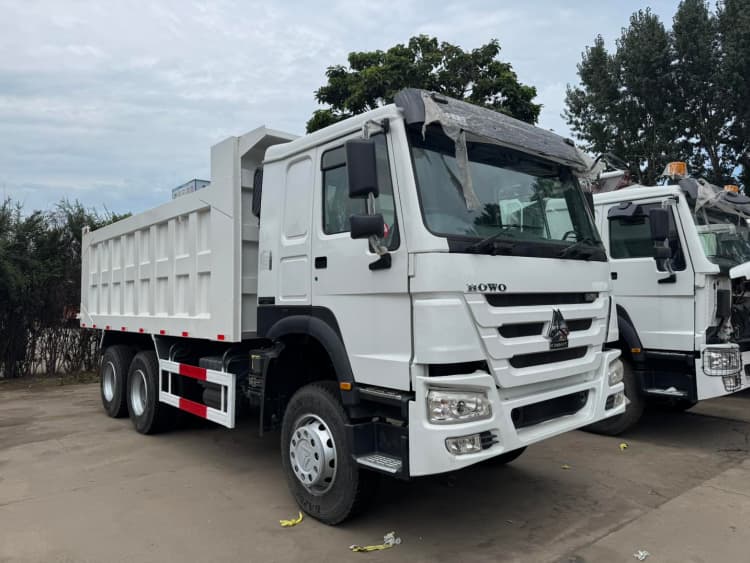
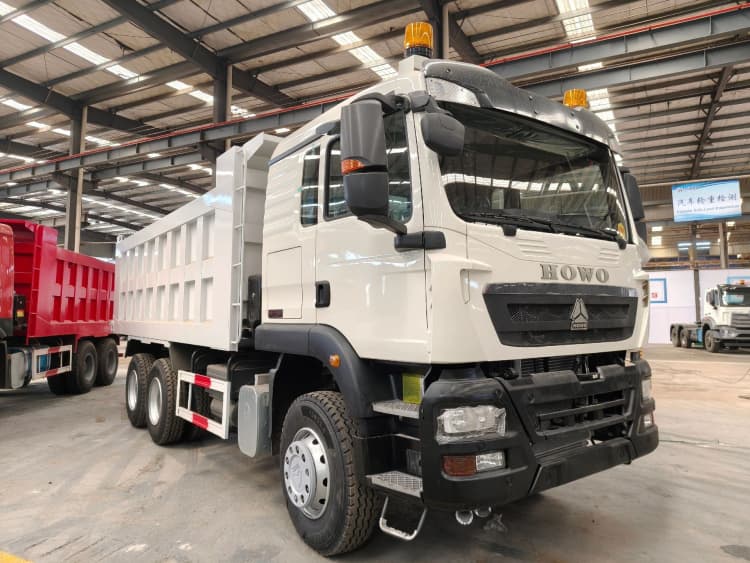
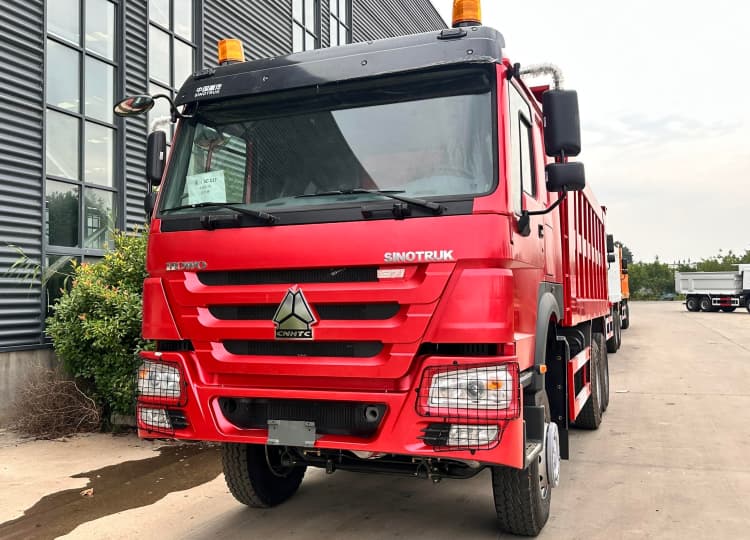
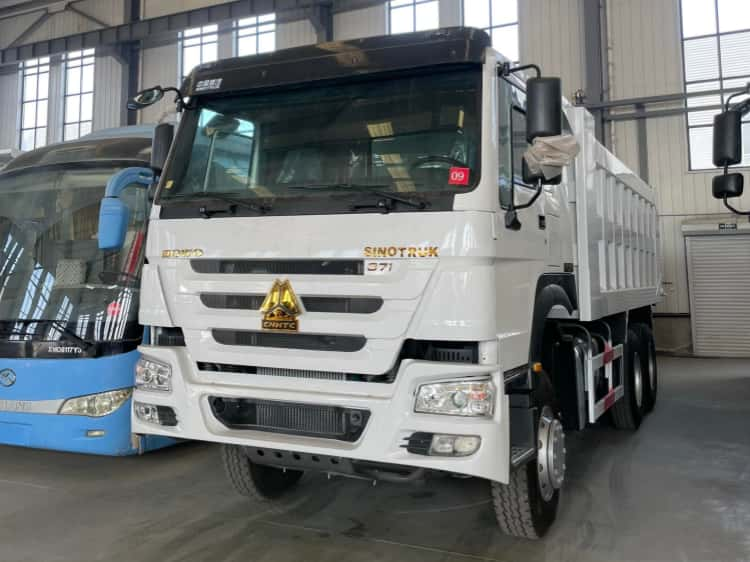
Fleet procurement teams face three mainstream heavy truck options when expanding or renewing fleets: brand-new trucks, ordinary second-hand used trucks, and certified reman heavy truck. Each option has distinct strengths, risks and cost profiles. The cheapest upfront price is not always the lowest total cost of ownership (TCO). This simple guide breaks down the core characteristics of the three asset types, to help fleet managers make data-driven purchasing decisions.
Basic Definition of Each Asset Type
New Heavy Truck
A factory-fresh vehicle straight from OEM production line. Zero prior operational hours, all components are brand new, with full original manufacturer warranty. It has not been registered or deployed for any commercial haulage or construction work.
Ordinary Used Heavy Truck
Pre-owned truck that has completed its first service life. It is sold “as-is” after basic cleaning and minor repairs. No systematic full disassembly, no mandatory NDT fatigue inspection. Wear, accumulated metal fatigue and hidden faults remain inside the vehicle.
Certified Reman Heavy Truck
A qualified retired truck core regenerated via standardized industrial reman process. It undergoes full teardown, component grading, NDT structural inspection, proactive replacement of fatigue parts, precision machining and bench + road testing. Performance is restored to near-new benchmarks, with complete traceable documentation and dedicated reman warranty.
Side-by-Side Comparison Across Key Fleet Metrics
Upfront Purchase Cost (CAPEX)
- New heavy trucks carry the highest capital expenditure, requiring large one-time cash outlay or higher financing commitments. They are best suited for permanent, long-running fleets.
- Ordinary used trucks have the lowest initial purchase price. However, this low entry cost often masks future repair bills and costly downtime losses that accumulate during operation.
- Certified reman heavy truck sit in the middle range. They cost substantially less than brand-new trucks, and usually command a moderate premium over basic used trucks, reflecting the industrial regeneration process and quality validation.
Reliability & Unplanned Downtime
- New trucks deliver excellent reliability through their early service years. Breakdown risks are minimal, and operations only require routine scheduled maintenance.
- Ordinary used trucks carry a high risk of unexpected failures. Hidden metal fatigue within frames, axles and engines can trigger sudden breakdowns under heavy payload or off-road conditions. For construction and mining fleets, these unplanned stops can lead to severe project losses.
- Certified reman heavy truck offer stability close to new vehicles. All hidden structural defects are identified and eliminated during the industrial reman process. Maintenance schedules become predictable, and incidents of unplanned downtime drop significantly.
Depreciation & Residual Value
- New trucks experience steep depreciation in their first two to three years, losing the largest portion of their value immediately after delivery.
- For ordinary used trucks, depreciation slows down, but residual value remains highly volatile. Potential buyers heavily discount these assets due to unknown service history and undetected wear.
- Certified reman heavy truck reset their depreciation curve. Once industrial remanufactured, the reman heavy truck enters a stable second lifecycle and holds more predictable residual value when compared with ordinary used trucks.
Warranty Coverage
- New trucks come with full OEM factory warranty, covering most major assemblies for multiple years or fixed operating hours.
- Ordinary used trucks are commonly sold without warranty, or only a very short and limited coverage. Sellers frequently exclude liability for structural failures.
- Certified reman heavy truck have dedicated remanufacturing warranties, which cover defects generated during the reman process. This warranty does not cover damage caused by overload, improper operation or poor field maintenance.
Sustainability & Embodied Carbon
- New heavy trucks have the highest embodied carbon emissions, generated during ore mining, smelting, casting and full vehicle assembly.
- Ordinary used trucks reuse an existing asset, yet their short remaining service life means they may quickly head to scrap. The carbon benefit is limited and short-lived.
- Certified reman heavy truck have a low embodied carbon footprint. They preserve intact frames, engine blocks and axle housings, avoiding the emissions that would be created to manufacture an equivalent new truck. These measurable savings can be used to support fleet ESG reporting.
Best Fit Project Scenarios
- New trucks work best for long-term permanent operations of more than 5 to 7 years, where budgets are stable and strict OEM emission standards are required.
- Ordinary used trucks may be considered for short, low-risk light-duty tasks where downtime has little financial impact. They are not recommended for heavy off-road mining environments.
- Certified reman heavy truck are ideal for mid-term projects lasting 3 to 5 years, including construction, mining and cross-border fleet operations. They strike a balanced TCO between reliability, capital cost and carbon targets.
Common Misconceptions
- Myth: Used trucks are always the most cost-effective because they cost less to buy. Fact: Cheap purchase price can be offset by expensive emergency repairs and costly project downtime. For heavy-duty fleets, downtime loss often far exceeds the vehicle’s value.
- Myth: Reman heavy trucks are just expensive used trucks. Fact: A certified reman heavy truck goes through full industrial regeneration. It removes hidden metal fatigue and renews wear components. A regular used truck retains all accumulated aging damage.
- Myth: New trucks have zero risk. Fact: New trucks have minimal breakdown risk, but their steep depreciation and high CAPEX create financial risk for short-term projects.
Simple Decision Framework for Fleet Buyers
Ask these three questions before choosing:
- What is my project duration?
- >5 years: New trucks may be suitable.
- 3–5 years: Certified reman heavy truck is usually the optimal TCO option.
- <2 years, light load: Ordinary used truck can be considered, with risk awareness.
- How expensive is downtime for my operation?
- If downtime leads to large project penalties: Avoid ordinary used trucks; select new or reman.
- Do I need ESG / carbon reduction evidence for tender or reporting?
- Certified reman heavy truck provides auditable embodied carbon savings, while new and basic used trucks cannot offer this benefit.
Conclusion
New, used and reman heavy trucks serve different fleet needs. New trucks deliver top reliability but require high upfront investment and suffer heavy early depreciation. Ordinary used trucks have the lowest purchase price but carry high hidden breakdown and downtime risks. Certified reman heavy truck sits in the middle: it combines near-new reliability, controlled CAPEX and sustainability benefits, making it the preferred solution for many mid-term heavy-duty project fleets.
When evaluating reman heavy truck, always verify the complete reman dossier, including NDT and performance test records, to ensure it meets industrial reman process instead of simple refurbishment.