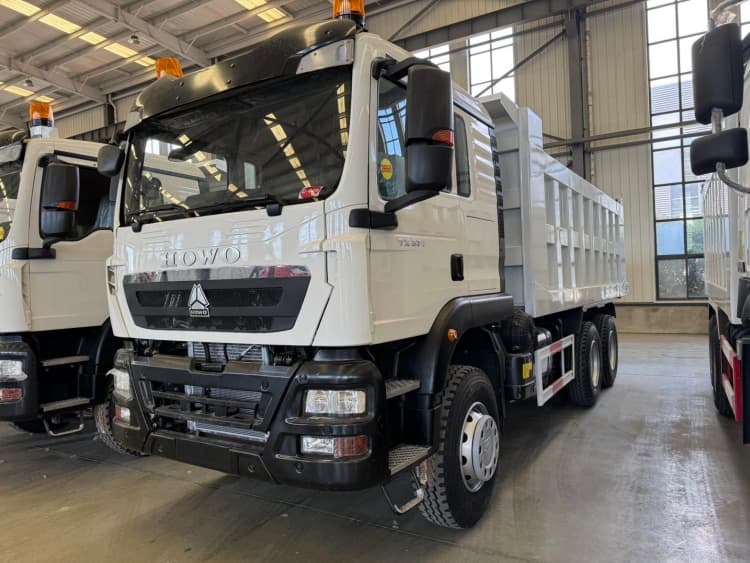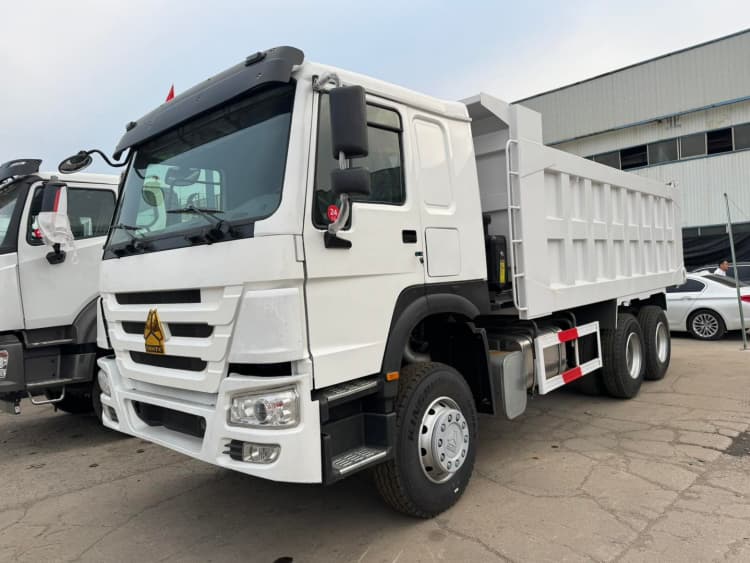
Remanufactured Trucks vs Refurbished Trucks: What Is the Real Difference?
Introduction
In the global heavy truck trading market, “remanufactured trucks” and “refurbished trucks” are frequently used interchangeably. Many fleet buyers suffer heavy losses after purchasing refurbished trucks marketed as certified remanufactured trucks.
While both processes reuse a pre-owned truck chassis, their process depth, acceptance criteria, reliability and underlying risk are fundamentally different. Refurbishment focuses on restoring basic operability; certified remanufacturing delivers an industrial-level asset regeneration to near-new performance standards. This article breaks down their real distinctions for fleet procurement teams.
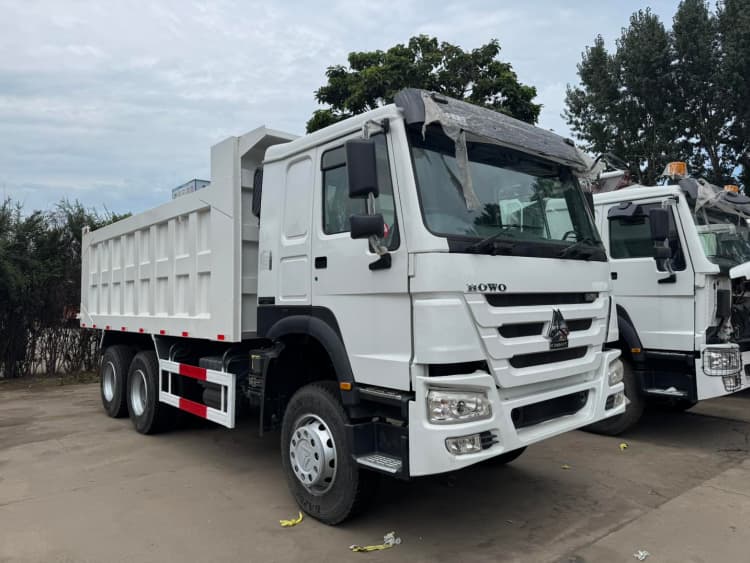
Definition Overview
What is Remanufactured Trucks?
Certified remanufacturing is a standardized industrial production workflow following ISO 10987 or equivalent specifications.
- Eligible retired core vehicles go through full disassembly, component grading, NDT structural inspection, proactive replacement of all fatigue-limited parts, precision machining, bench and road performance testing.
- The finished remanufactured trucks must meet quantified near-new performance benchmarks, with complete traceable certification records linked to its VIN.
What is Refurbished Heavy Truck?
Refurbishment is generally a workshop-level restoration.
- It focuses on repairing obvious defects, cleaning components, replacing visibly broken parts and carrying out cosmetic upgrades such as repainting the cab.
- Refurbishment aims only to make the truck drivable. It has no mandatory requirement for full disassembly, hidden fatigue inspection or fixed near-new performance targets.
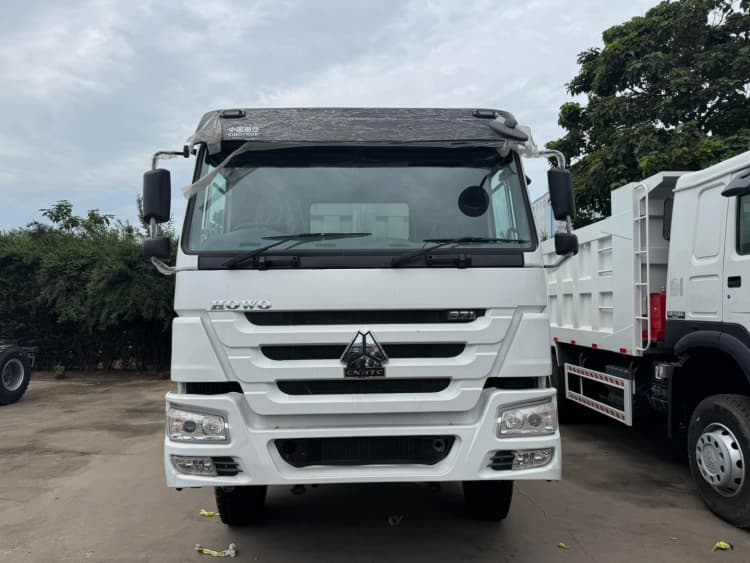
Key Differences in Workflow
Certified Remanufactured Trucks
- Core pre-screening: Incoming cores pass thickness measurement and NDT inspection. Units with irreparable frame cracks or severe subsurface corrosion are rejected before disassembly.
- Full disassembly: The whole truck is completely stripped down to individual components, including chassis, suspension, axle and steering assemblies.
- Component grading: Every single part is cleaned, measured and classified into reusable, repairable, replaceable or scrap.
- Proactive part renewal: All fatigue-critical consumables (bearings, seals, gaskets, piston rings, hoses) are replaced by schedule, not only when broken.
- Precision machining: Worn mating surfaces are restored back to OEM dimensional tolerances.
- Full performance validation: Engine dynamometer, axle bench, hydraulic, brake test and loaded road test are mandatory.
- Complete traceable dossier: NDT reports, test curves, component replacement logs and formal certification documents are retained for audit.
Refurbished Trucks
- Visual inspection only: Inspect obvious external damage and known faults; no mandatory NDT for hidden structural cracks.
- Partial disassembly: Only problematic assemblies (often just engine or leaking systems) are opened; frame and suspension usually remain intact.
- Reactive part replacement: Replace only visibly damaged or failed parts. Functional worn components stay in place even if they will fail soon.
- Limited machining: Minor surface repairs only, without systematic dimensional recovery.
- Simple functional check: Short idle test or quick road drive to confirm the truck can start and run. No dynamometer or system bench tests.
- Minimal paperwork: Usually only a simple sales statement, no full technical test records.
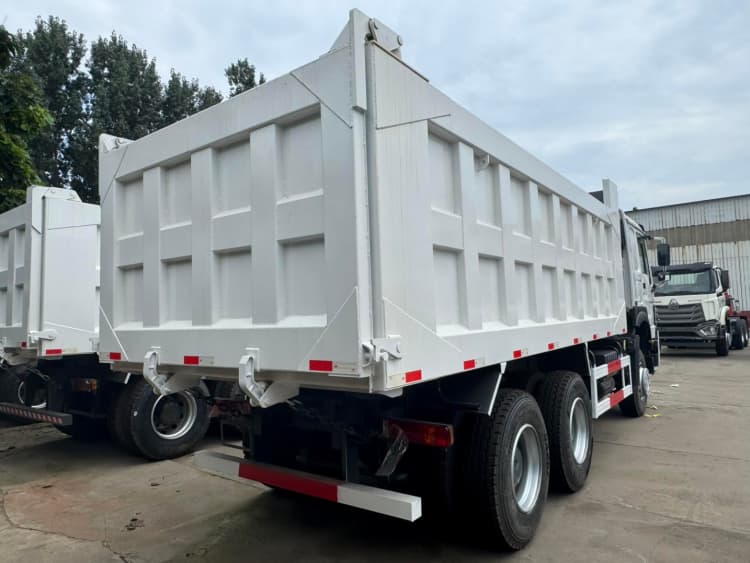
Performance & Reliability Gap
- Certified Remanufactured trucks: Performance target is near-new. Power, torque, brake performance and oil consumption fall within strict tolerance ranges. Hidden structural fatigue is eliminated. The asset can enter a full second economic lifecycle with predictable maintenance cost.
- Refurbished trucks: Only basic running condition is guaranteed. Subsurface micro-cracks, wear in axle and steering components remain undetected. Early unplanned breakdowns are common, especially under heavy payload and off-road working conditions. Maintenance cost rises rapidly after a short service period.
Documentation & Certification
- Certified remanufactured trucks: VIN-bound formal certification, full inspection and test records. Third-party audit is supported. Documents can be used for ESG reporting, tender submission and customs clearance.
- Refurbished trucks: Usually self-declared quality statement only. No standardized technical dossier. The documentation cannot prove compliance with global reman standards.
Warranty Scope
- Certified remanufactured trucks: Clear warranty covering defects generated during the remanufacturing process, with defined working-hour or calendar limits.
- Refurbished trucks: Short or limited warranty, often excluding structural failure. Many sellers only offer verbal commitments.
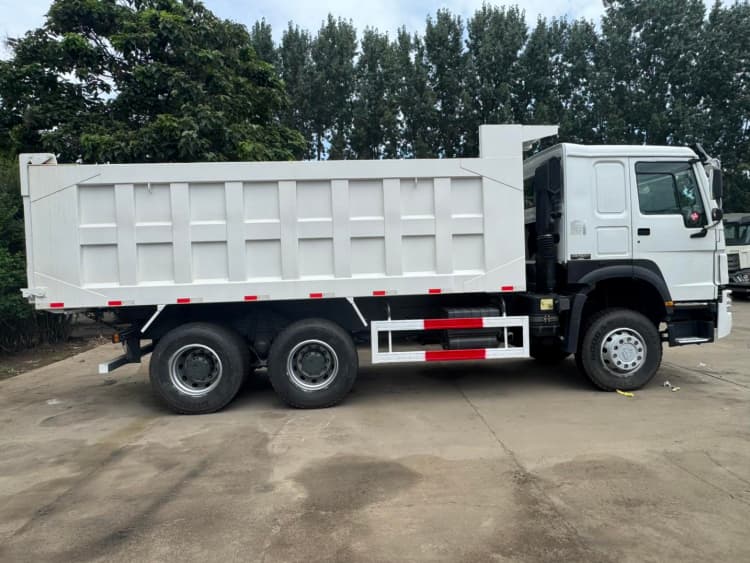
Common Market Misconceptions
- Myth: A truck with a new paint job and new tyres is certified remanufacturing. Fact: Cosmetic upgrades belong to refurbishment. Repainting does not remove hidden metal fatigue inside the frame or axle.
- Myth: If the engine is rebuilt, the truck is certified remanufacturing. Fact: Rebuilding the engine alone is partial overhaul. Without full chassis NDT and complete component inspection, it is still refurbishment.
- Myth: Refurbished and remanufactured trucks have similar risk. Fact: Refurbished assets carry high risk of sudden structural failure. For mining and construction fleets, unexpected downtime losses can far exceed the truck purchase price.
Buyer Quick Checklist to Distinguish Them
- Request NDT reports for chassis frame, crankshaft and axle housing
- Check component replacement log to confirm fatigue parts are fully renewed
- Ask for engine dynamometer curve and bench test data
- Verify whether the supplier provides a full VIN-linked reman certification dossier
- Confirm the process follows ISO 10987 or recognized reman standard
Conclusion
The core difference between certified remanufactured trucks and refurbished trucks lies in process completeness, structural fatigue inspection and quantified performance validation. Refurbishment merely fixes visible faults and makes the truck operable.
Certified remanufacturing is an industrial regeneration process that resets asset reliability and economic life. When sourcing cross-border heavy trucks, fleet buyers must watch out for suppliers selling refurbished vehicles under the “remanufactured” label. Always audit the full technical documentation before purchase.