Is a Heavy Reman Truck a Second-Hand Truck? Clear Concept Clarification
Introduction
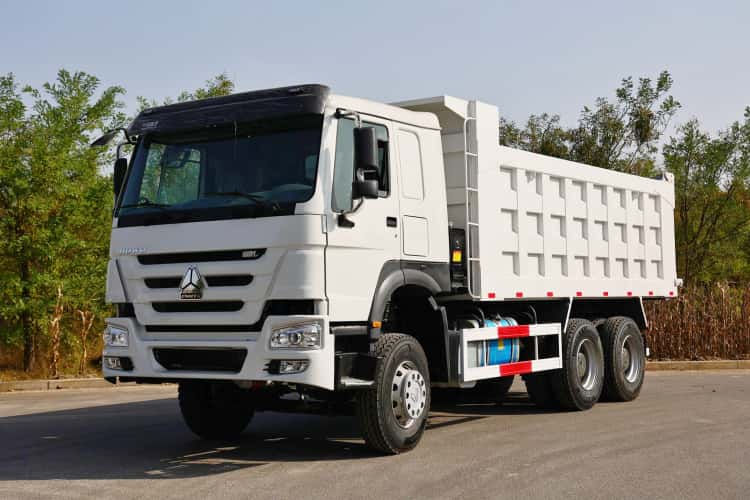
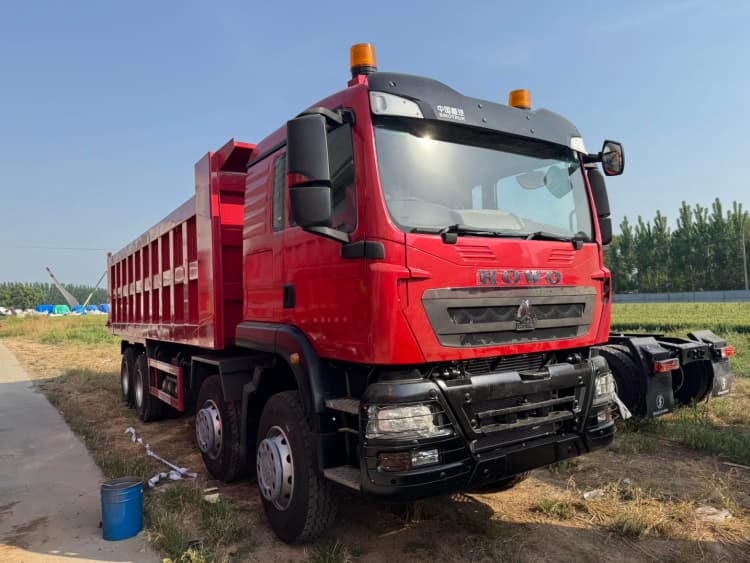
A common confusion among global fleet procurement teams: since heavy reman truck are built from previously used vehicle cores, are they simply second-hand trucks with upgrades? The short answer is: they share the same original VIN and chassis origin as a used truck, but they are not ordinary second-hand assets in terms of technical condition, reliability and commercial value.
This article separates the legal registration definition from the asset quality definition, helping fleet buyers avoid misunderstandings during procurement, tender and customs declaration.
Definition of a Second-Hand (Used) Heavy Truck
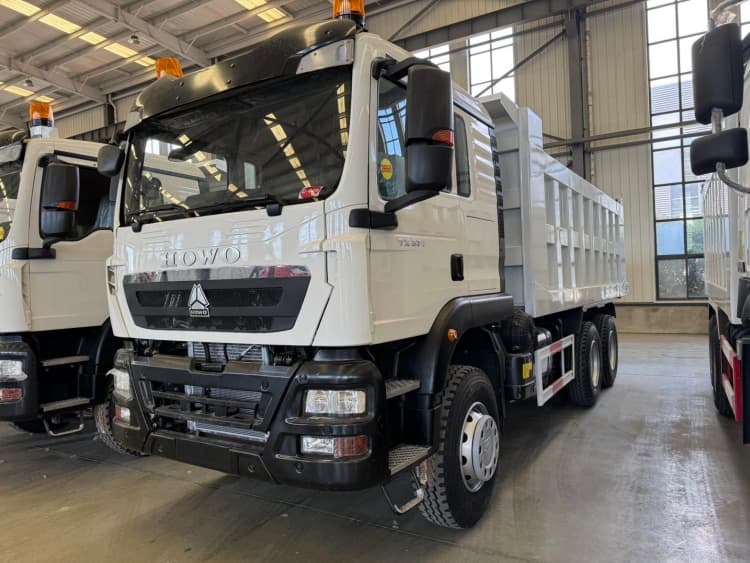
A standard second-hand heavy truck refers to a pre-owned vehicle that has finished its first operational lifecycle and is resold in its existing state. No systematic disassembly or full-component inspection is required. The truck retains all accumulated wear, metal fatigue and hidden defects built up during previous working hours. Sellers may perform simple cleaning, minor part replacement or cosmetic painting, but there is no standardized industrial regeneration process. Its remaining service life is uncertain, and maintenance risks are high.
The core feature of ordinary second-hand trucks: sold “as is”, with unknown residual reliability.
What Makes Heavy Reman Truck Different?
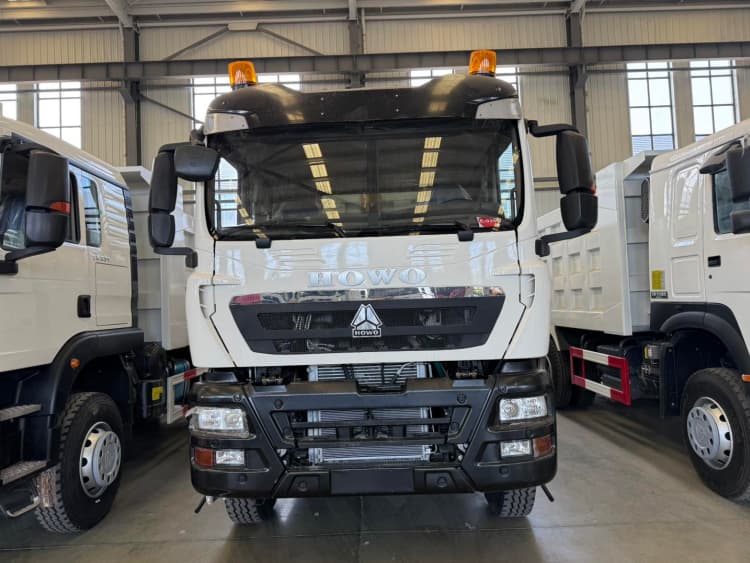
Certified reman truck are rebuilt from qualified retired cores. While the base vehicle’s original VIN and chassis identity remain unchanged, the asset goes through a complete industrial reman workflow. The whole vehicle is fully disassembled, every component cleaned, measured and graded. NDT testing screens for invisible structural cracks and corrosion. All fatigue-critical consumables are proactively replaced, worn mating surfaces are precision machined back to OEM tolerances, and the finished truck passes bench testing and loaded road validation to reach near-new performance standards.
The industrial reman work resets the asset’s economic life and reliability profile. The truck is no longer in its original worn second-hand condition, even though the core vehicle’s identity is preserved.
Two Layers of Classification: Legal vs Technical
Legal / Customs / Registration Perspective
- From the administrative, customs and vehicle registration perspective, a heavy reman truck usually keeps its original VIN.
- Legally, it is still classified as a pre-existing vehicle, not a brand-new factory truck.
- This classification affects import paperwork, registration procedures and depreciation accounting for fleet finance teams.
- This is where most confusion arises: legally it is not “new”, so people automatically label it as ordinary second-hand.
Technical & Commercial Asset Perspective
- From engineering, reliability and fleet TCO perspective, certified reman truck stand apart from ordinary second-hand trucks.
- A regular used truck carries all historical wear and hidden faults. A certified heavy reman truck has had those defects systematically eliminated.
- It has predictable maintenance requirements, traceable test documentation and a dedicated reman warranty.
- Certified reman truck’s performance stability and usable lifecycle are comparable to new trucks, far exceeding typical second-hand units.
Why This Distinction Matters for Fleet Buyers?
Procurement & tender requirements
Many tender documents separate “used vehicles” and “certified heavy reman truck”. If buyers mistakenly categorize certified reman trucks as standard second-hand trucks, they may fail tender evaluation or lose qualification, even though the quality meets project requirements.
Financial and depreciation accounting
Finance teams need to understand this difference. The original manufacturing year does not change, but the asset’s depreciation curve resets after industrial reman work. This changes how the fleet calculates residual value and total ownership cost over the project period.
Customs and cross-border shipment
When importing heavy vehicles across borders, customs rules may treat certified reman trucks differently from ordinary second-hand trucks. Complete reman certification dossiers can prove the vehicle has undergone full industrial regeneration, supporting declaration and inspection.
Risk assessment
Treating reman as regular second-hand will lead to wrong risk judgements. Ordinary used trucks carry high unplanned downtime risk, while certified reman truck offers stable reliability suitable for critical mining and construction projects.
Common Market Misconceptions
- Myth: If a truck keeps the old VIN, it must just be a second-hand truck. Fact: VIN reflects the original manufacturing identity only. It does not represent the current technical state of the asset. The industrial reman work regenerates the truck’s performance and reliability, creating a completely different operational asset.
- Myth: Reman trucks have the same risk profile as used trucks. Fact: Ordinary used trucks retain accumulated hidden fatigue. Certified reman truck eliminates these risks via NDT inspection and full component renewal. The failure probability is drastically reduced.
- Myth: Reman truck can be grouped together with second-hand trucks in fleet asset reports. Fact: For ESG reporting, tender submissions and internal TCO analysis, heavy reman truck should be listed as an independent category, separated from ordinary used trucks.
Practical Checklist for Fleet Buyers
- Confirm the VIN and original manufacturing year for registration and customs work.
- Request full reman certification package, including NDT reports, component replacement logs and performance test records, to prove it is a standardized reman asset, not a simple used truck with minor repairs.
- Clarify classification rules in tender documents and cross-border import requirements in advance.
- Separate heavy reman truck and ordinary used trucks in fleet asset inventory and sustainability reports.
Conclusion
Legally and administratively, a certified heavy reman truck retains its original vehicle identification, so it cannot be regarded as a brand-new OEM truck. Technically and commercially, however, it is not an ordinary second-hand truck. Full industrial reman work removes accumulated wear and hidden structural defects, resets economic service life, and restores performance to near-new standards.
Fleet decision-makers need to distinguish between administrative classification and asset quality. Avoid putting certified reman assets into the same category as regular used trucks when evaluating procurement risk, tender qualification and total cost of ownership.