Asset Life Reset: How Standardized Remanufacturing Reclaims Full Service Cycles?
Introduction
Heavy trucks gradually lose usable service life as they accumulate operating hours. Metal fatigue, component wear and performance degradation build up over years of hauling and off-road work. When an ordinary used truck reaches the end of its first lifecycle, most operators assume its useful working days are nearly over.
Certified standardized remanufacturing changes this assumption. It does not merely extend the remaining life of a worn vehicle; it performs an asset life reset, reclaiming a full, stable second service cycle for qualified truck cores. This concept differentiates standardized remanufacturing from basic overhaul or refurbishment, which only deliver temporary life extension. This article explains how the life reset works and what it means for fleet asset planning.
What Is Asset Life Reset for Heavy-Duty Trucks?
Asset life reset means reversing accumulated mechanical degradation of a retired truck core, so the asset enters a brand-new service cycle with predictable wear patterns and reliable performance. It does not alter the vehicle’s original manufacturing year or VIN.
The reset applies to the functional service life, not the administrative age of the chassis. After reset, the truck’s wear curve starts again from a near-new baseline. It can complete a full multi-year heavy-duty service cycle, similar to a newly built truck, rather than operating on leftover residual life with rising failure risk.
The Difference Between Temporary Life Extension and Full Life Reset
Basic overhaul and refurbishment only deliver temporary life extension. Technicians fix failed components to get the truck running again, but most accumulated wear and hidden fatigue remain untouched. The truck continues aging from its existing degraded state. Failures will keep appearing in quick succession, and the remaining usable period is short and unpredictable. This is adding a small extension to the end of the original lifecycle.
Standardized remanufacturing’s asset life reset is fundamentally different. The workflow removes hidden structural defects, restores critical components to OEM dimensional standards, and replaces all fatigue-prone consumables. The asset’s degradation state is reset. Instead of squeezing a few extra months of service, the truck gains a complete second service cycle with a predictable maintenance schedule.
Engineering Steps That Enable Asset Life Reset
Core qualification screening
Life reset can only start with a suitable core. Retired trucks go through NDT non-destructive inspection, dimensional checks and corrosion assessment. Cores with irreparable frame cracks, permanent structural deformation or excessive material loss are rejected at this stage. A damaged base cannot support a full new service cycle.
Full disassembly and component grading
The entire vehicle is stripped down to individual parts. Every component is cleaned, measured and inspected. Parts are classified into reusable, repairable, replaceable or scrap. Any component that cannot return to OEM tolerance will not be reused in the finished certified reman heavy trucks.
Eliminate accumulated metal fatigue
Fatigue is invisible and accumulates under repeated heavy loads. NDT testing identifies subsurface cracks in load-bearing structures such as frame, axle housing and crankshaft. Defective components are repaired or replaced, removing the primary time bombs that cause mid-cycle catastrophic failures.
Proactive replacement of fatigue-limited components
Bearings, seals, gaskets, hoses and other consumable parts have fixed fatigue lifespans. In remanufacturing, these parts are replaced systematically regardless of visible condition. This prevents early wear-out during the second service cycle.
Precision machining and system performance validation
Worn metal surfaces are machined back to original OEM specifications. After assembly, every subsystem undergoes bench testing, followed by loaded road validation. Performance metrics must hit near-new benchmarks before the asset is released. This confirms the truck can sustain heavy-duty operation for a full cycle.
How the Wear Curve Changes After Life Reset?
An ordinary used truck follows a steep failure curve: as operating hours rise, the probability of sudden breakdown increases rapidly. After remanufacturing life reset, the asset’s wear curve resembles that of a new truck. The early high-risk infant-failure phase is eliminated via factory testing.
The truck enters a long stable service period, with failures limited to predictable scheduled maintenance items. Fleet planners can forecast maintenance budgets and asset retirement timelines accurately, which is impossible for ordinary used vehicles.
Fleet Financial Benefits From Asset Life Reset
Match asset life to project cycles
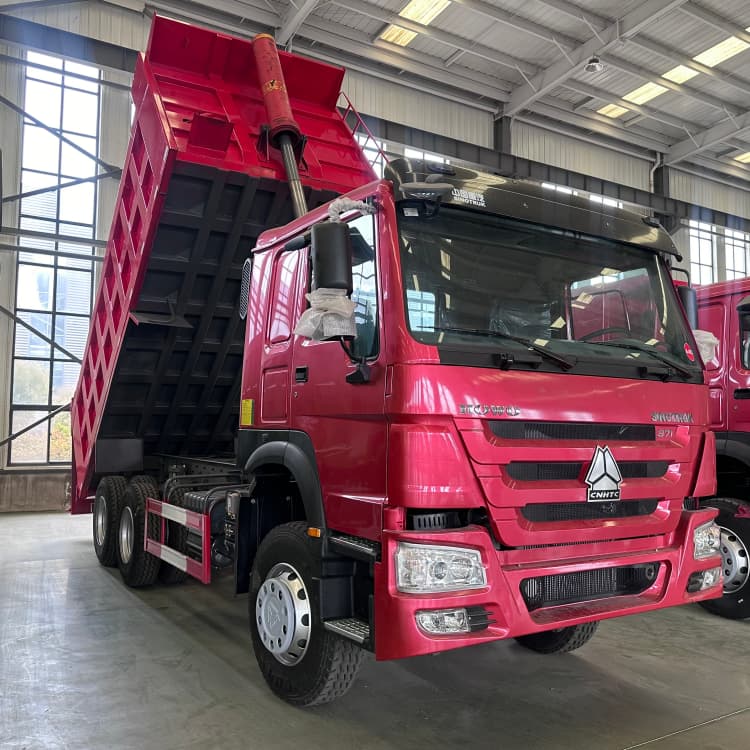
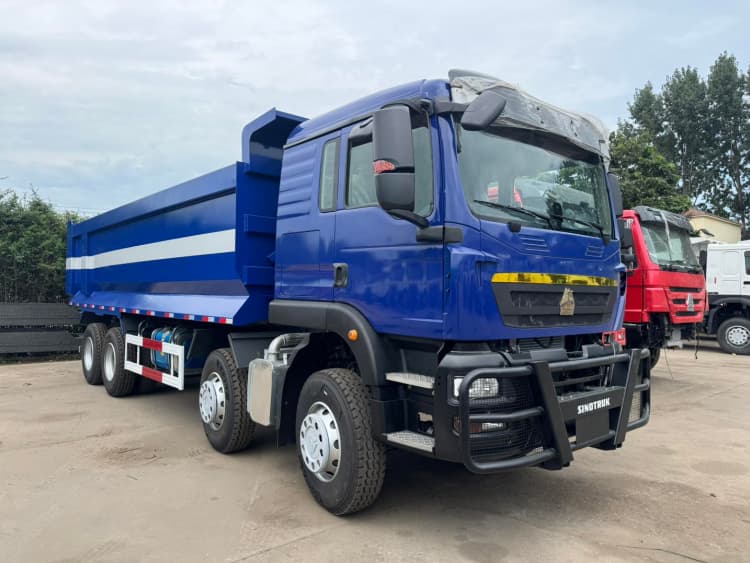
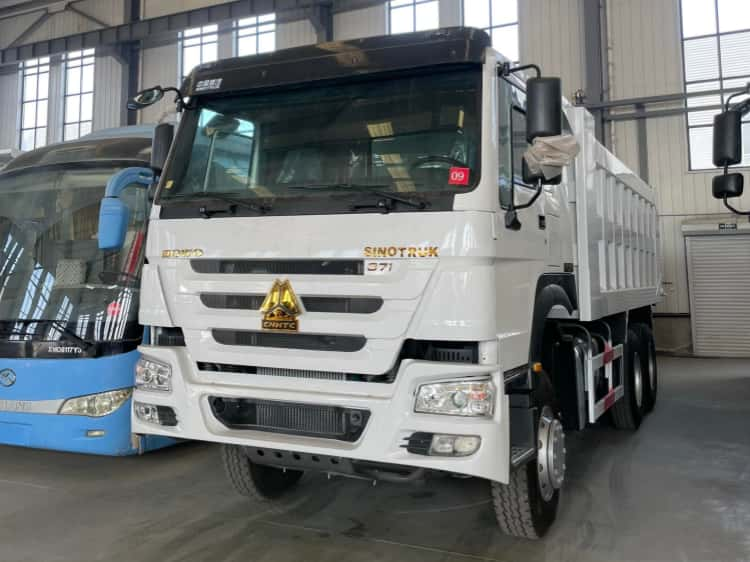
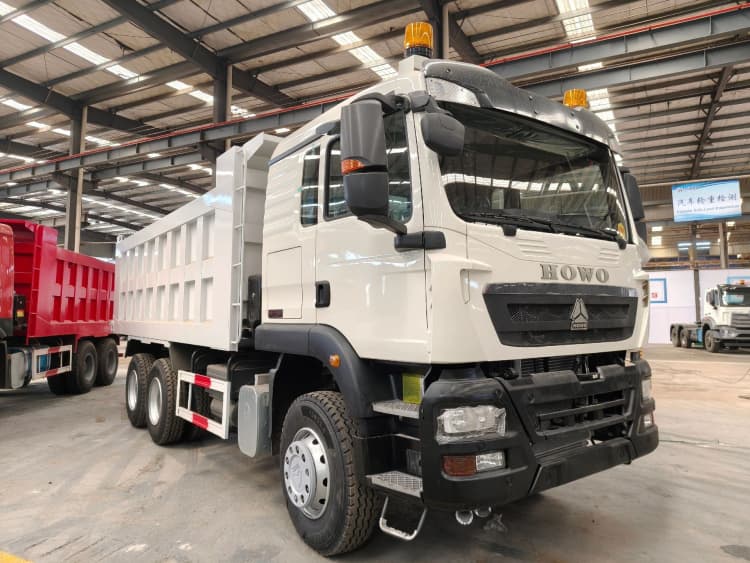
For mid-term construction and mining fleets, certified reman heavy trucks with reset life perfectly fit 3–5 year project contracts. The fleet uses the full second service cycle, then sells the truck with meaningful residual value when the project ends.
Stabilize depreciation and TCO
The reset functional life supports a revised depreciation schedule for financial modelling. The asset no longer depreciates according to its original aging curve. This reduces net total cost of ownership compared with buying new trucks and discarding them after a few years, when new truck depreciation is most severe.
Reduce fleet turnover pressure
Instead of purchasing expensive new trucks or frequently replacing unreliable used trucks, operators can reuse qualified cores multiple times through remanufacturing cycles, creating a sustainable circular asset pool.
Common Misconceptions About Asset Life Reset
- Myth: Life reset means the truck becomes “new” in legal or registration terms. Fact: The original manufacturing year and VIN remain unchanged. The reset applies to mechanical service life and performance, not administrative vehicle age.
- Myth: A fresh coat of paint plus engine overhaul equals asset life reset. Fact: Overhaul only addresses one assembly. True life reset requires full vehicle disassembly, structural fatigue inspection and whole-vehicle performance validation. Partial repairs cannot reset the full asset lifecycle.
- Myth: Reset life will be shorter than a brand-new OEM truck. Fact: When built from qualified cores and tested to near-new standards, certified reman heavy trucks deliver a full multi-year heavy-duty cycle. While new trucks may have longer theoretical maximum life, certified reman heavy trucks provide sufficient service life for most mid-term project fleets.
Practical Checklist for Buyers to Verify Genuine Life Reset
- Confirm NDT inspection records for load-bearing structures such as frame and axle housings.
- Check component replacement logs for fatigue consumables across the whole vehicle, not just engine parts.
- Review dynamometer, brake and hydraulic bench test data plus loaded road test reports.
- Obtain full remanufacturing certification documents linked to the vehicle VIN, proving full workflow completion.
Conclusion
Asset life reset is the core engineering value of standardized remanufacturing. It is not simply extending the end-of-life operation of a worn truck. Through strict core screening, full disassembly, fatigue removal, component renewal and systematic performance testing, standardized remanufacturing restores the asset to a near-new functional state and unlocks a complete second service cycle.
For fleet decision-makers, understanding asset life reset helps separate genuine standardized remanufacturing from superficial repairs. When evaluating fleet procurement, verify the complete remanufacturing documentation to confirm the asset has truly undergone a lifecycle reset, rather than only receiving partial overhaul work.