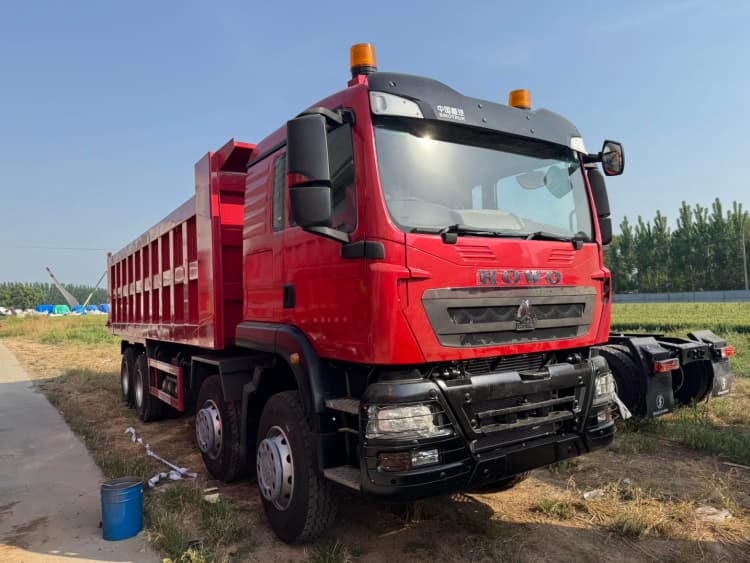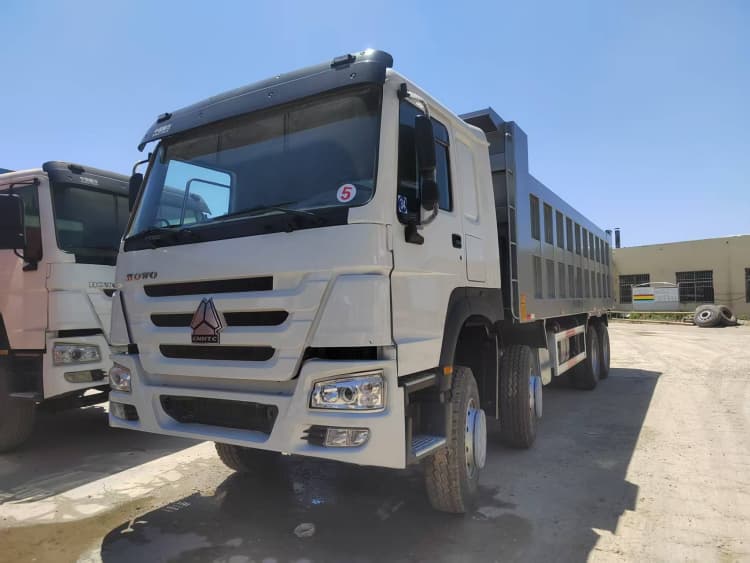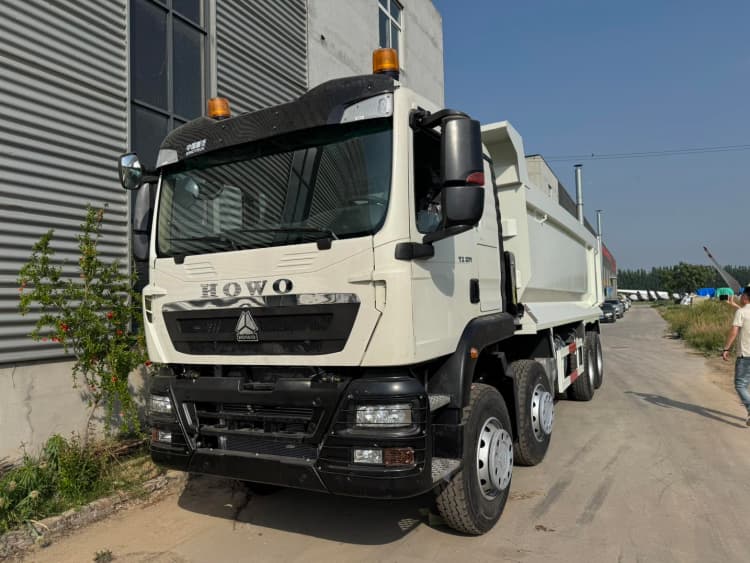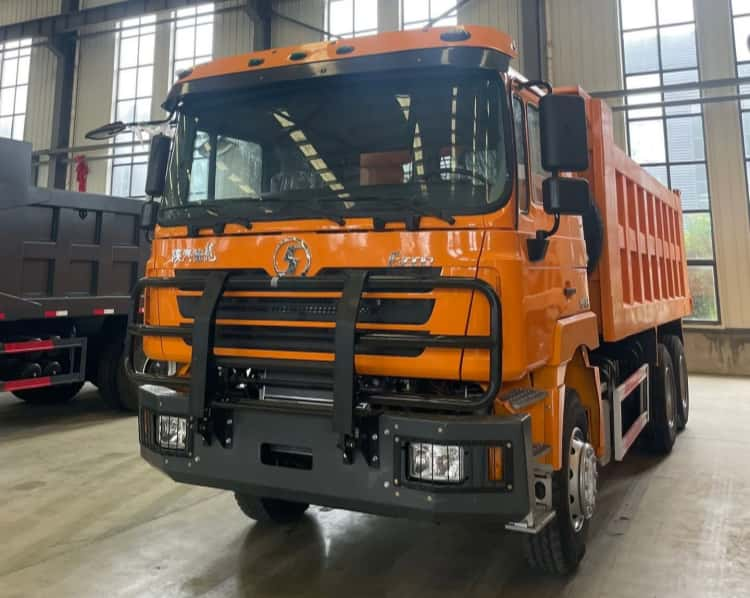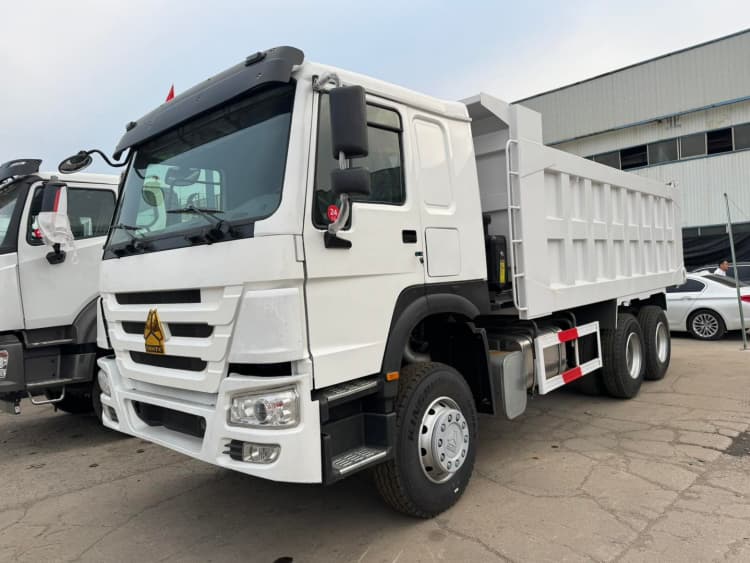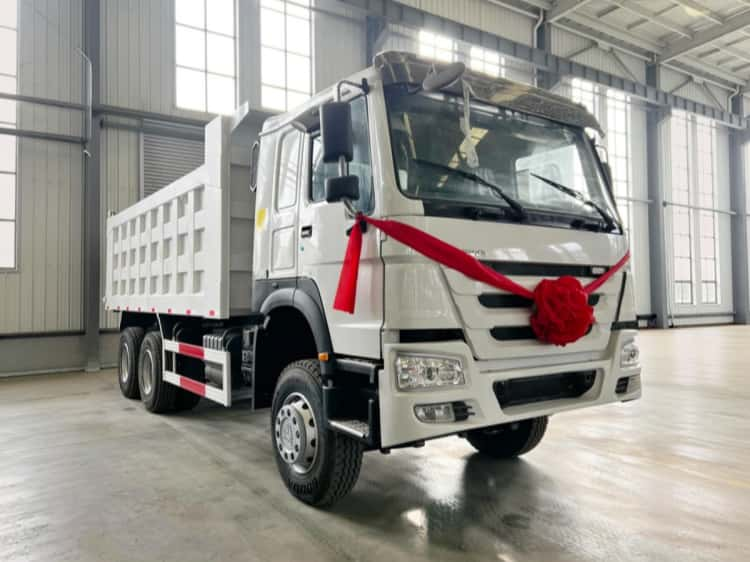
How Standardised Remanufacturing Creates A Repeatable Second Lifecycle for Heavy Assets?
Intro
Used heavy trucks often end up with uncertain, short remaining service life. Their condition depends on random past loading, maintenance and repair choices. Standardised remanufacturing changes this pattern. Instead of one-off patch repairs, it applies fixed, documented rules to reset core assemblies. This creates a repeatable second lifecycle — one that fleet managers can forecast, budget for and integrate into long-term asset rotation plans.
What a Repeatable Second Lifecycle Means?
A repeatable second lifecycle is not just “the truck runs again”. It means every unit rebuilt under the same reman standard will follow a similar service profile. After standardised remanufacturing workflow, assets share comparable performance limits, failure patterns, service intervals and residual value trajectories. When the process is repeatable, you can reliably model TCO, schedule maintenance and plan workload allocation across your whole fleet. This consistency is impossible to achieve with random repairs or informal refurbishment.
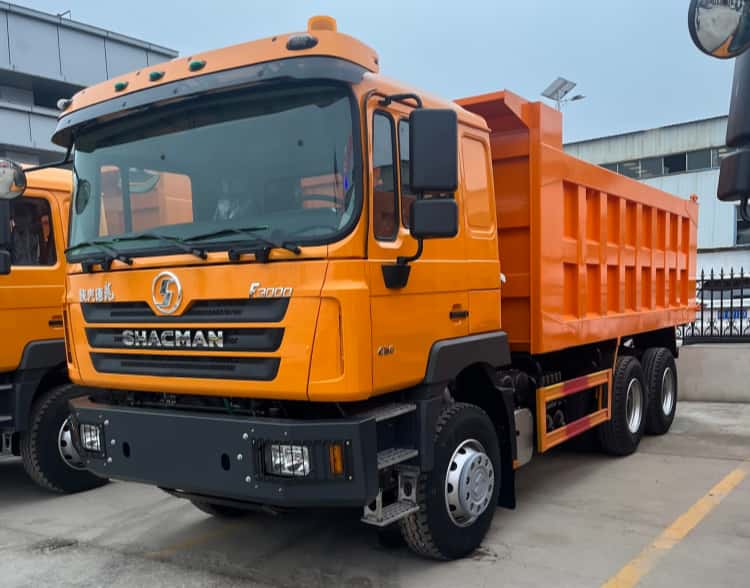
How Standardised Remanufacturing Builds This Repeatability?
Fixed, non-negotiable workflow sequence
Standardised remanufacturing workflow follows the same sequence for every heavy asset: full teardown, deep cleaning, inspection, restoration or replacement, reassembly, testing and certification. No workshop can skip steps based on convenience or cost. Critical assemblies including engine, transmission, axles and brake systems are all disassembled to component level. This removes the chance of leaving hidden wear inside some units while fixing others selectively.
Objective measurement criteria instead of subjective judgement
Decisions on parts are based on OEM tolerances, not a technician’s visual guess. Each component is measured with precision tools. NDT non-destructive testing checks for cracks and material fatigue. Parts that fall within acceptable limits are restored. Any part past the defined threshold is scrapped and replaced. The same pass/fail rules apply to every crankshaft, cylinder head, gear and bearing set across all reman projects. This eliminates inconsistent part reuse.
Unified reassembly and calibration rules
Reassembly follows defined OEM clearances, torque values and backlash settings. Fuel, air, hydraulic and ECU systems are calibrated to the same performance benchmark. Two separate standardised reman trucks under the same standard will deliver matching power output, fuel efficiency and braking performance. This consistency is the foundation of a predictable second life.
Mandatory end-of-line validation for every unit
Bench tests, leak checks, load cycling and functional road checks are required for every finished asset. Test results are logged against the VIN. If a unit fails any performance metric, it is reworked until it meets the standard. This Standardised remanufacturing workflow step ensures the final output does not drift between different batches, different technicians or different production cycles.
Traceable documentation and shared certification
Every standardised reman trucks carries a linked record package: inspection logs, test data, parts replacement history and formal certification. The standard itself, such as REMAN ROAD, creates a common language for buyers, workshops and future resale buyers. Anyone reviewing the asset can understand what work was completed and what performance baseline to expect.
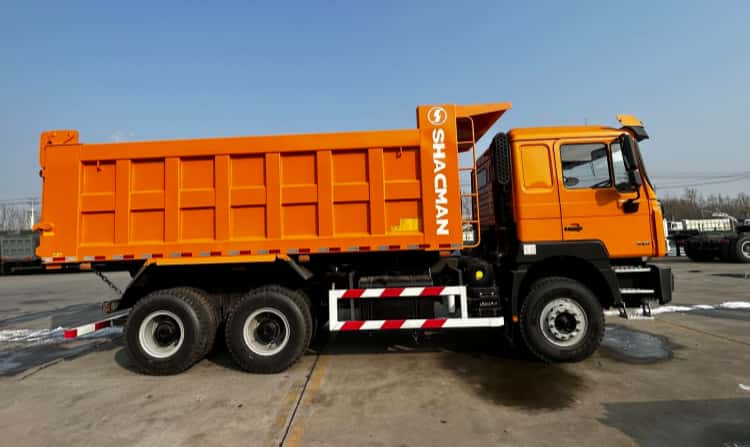
Why Repeatability Matters for Fleet Operators?
When second lifecycles are repeatable, fleet management becomes far simpler. You can set uniform maintenance schedules for all standardised reman trucks in your portfolio. You can assign them to similar workloads with confidence in uptime forecasting. You can calculate TCO once and apply the model to the whole reman fleet, instead of evaluating each used truck as an unpredictable standalone risk. It also simplifies spare parts stocking. Standardised reman trucks share common service components, reducing inventory complexity and lead times.
The Difference Between Repeatable Reman and One-Off Rebuilds
One-off rebuilds rely on case-by-case decisions. A technician may fix only the obvious broken parts, reuse worn components to cut costs, and skip testing. Each finished truck has a unique, unknown service curve. One may last well, while another fails quickly. Standardised remanufacturing removes this lottery effect. The second lifecycle is engineered, not accidental. The asset is intentionally reset to a predefined performance level, with predictable longevity.
Important Boundary: The Second Lifecycle Is Not Identical to a New Truck’s
Repeatable does not mean identical to new. The original chassis VIN and base metal structure remain. The second lifecycle has its own defined service window, exit mileage and depreciation curve. Fleet managers should still set a clear rotation threshold. When the reman trucks reaches the end of its engineered second life, it can be re-remanufactured, resold or retired according to the portfolio plan.
Common Risks That Break Repeatability
- Workshops skipping inspection or testing steps to speed up delivery
- Changing restoration and replacement rules between batches
- Mixing different reman standards, specs and component grades within one fleet
- Losing test records and certification, breaking the traceability chain
- Pushing reman trucks beyond their designed operating limits
Final Takeaway
Standardised remanufacturing workflow creates a repeatable second lifecycle for heavy assets by locking in fixed workflows, objective measurement rules, consistent testing and full traceability. It turns the uncertain lifespan of a retired heavy truck into a controllable, predictable service cycle. For fleet businesses, this repeatability is what makes certified standardised remanufacturing a scalable, reliable pillar of long-term asset strategy, rather than a risky one-off purchase.