The Concept of Asset Credit: How Formal Reman Extends the Service Value Embedded in a Truck?
Intro
Most fleets treat a truck as a simple asset that loses value year after year. Once it ages, they see only falling resale price and rising repair bills. The concept of asset credit changes this view. Asset credit means the usable service value still locked inside a sound chassis can be recovered and reinstated through standardised formal remanufacturing. Instead of writing the truck down to scrap value, formal remanufacturing releases its trapped asset credit, extending the total service value embedded in the original vehicle.
What Is Asset Credit for Heavy Fleet Assets?
Asset credit is the remaining economic value held within a reusable chassis and structural frame. A heavy truck’s frame, crossmembers and major structural body are built for extremely long service life. Long after the engine, gearbox or axle wears out, the chassis may still retain most of its structural integrity.
In traditional disposal logic, once the powertrain fails, the whole truck is treated as an end-of-life asset. The asset credit inside the good chassis is discarded along with the worn assemblies. Formal reman workflow is the process that unlocks this credit. It replaces or restores fatigue-limited high-load subsystems, while preserving the viable structural base. The chassis is not thrown away; its embedded value is reactivated.
This is different from simple resale. Selling a used truck transfers its remaining uncertain value to someone else. Formal reman workflow rebuilds and resets its service capacity, expanding how much total work the asset can deliver over its lifetime.
How Formal Reman Workflow Extends Embedded Service Value?
The embedded service value of a truck is the total amount of revenue-generating work it can deliver across its entire usable life. A new truck’s embedded value starts high, then declines as components wear and accumulate fatigue. Without formal reman workflow, the asset’s useful life ends when its first critical powertrain set fails. The chassis still has strength, but it cannot generate revenue without functional drivetrain systems.
Standardised formal remanufacturing reboots the service cycle in three ways:
- It screens the chassis and frame for fatigue, keeping only units that still hold solid structural asset credit.
- It replaces or restores powertrain, drivetrain, brake and emission assemblies back to design specification.
- It validates the whole system and attaches certification, which turns latent structural value into market-verifiable service value again.
The result is that the same chassis carries a second, engineered service life. The total tonne-kilometres the truck can deliver over its full existence increases dramatically. The original embedded asset value is not consumed once; it is extended.
Asset Credit vs Standard Depreciation
Depreciation tracks the accounting write-down of purchase cost. Asset credit focuses on recoverable service capacity. A new truck depreciates quickly, and its book value drops fast. But its structural asset credit does not disappear at the same rate.
If you buy new, the depreciation curve erases a large portion of capital before the chassis is worn out. If you use formal reman workflow to reset the subsystems, you separate the slow-decaying structural asset credit from the faster-wearing rotating assemblies. You stop letting short-lived powertrain components determine the end of the chassis’s economic life.
This is the core financial advantage: formal remanufacturing lets you extract more work from the asset credit you already paid for.
How Asset Credit Flows Inside a Fleet Portfolio?
Asset credit becomes a reusable resource when you build a rotating fleet strategy. When a certified reman truck reaches its planned exit threshold, it still holds documented asset credit. Thanks to full formal reman workflow records and certification, you have multiple options:
- Sell it and recover a higher percentage of capital back into your renewal budget
- Send it back into reman for a second reset, launching a third service cycle
- Reassign it to lower-stress auxiliary workloads to slowly consume its remaining credit
By contrast, uncertified, superficially refurbished trucks have weak asset credit. Buyers cannot trust their service baseline, so the market applies a heavy discount. Their embedded value is trapped and difficult to unlock.
What Erodes Asset Credit?
Asset credit is not permanent. Several factors will burn it away:
- Hidden frame fatigue, heavy corrosion or prior crash damage
- Poor reman work that only does functional repairs without NDT screening
- Missing traceability, test logs and certification paperwork
- Overloading the truck repeatedly beyond its rated capacity
- Skipping maintenance so secondary damage spreads to the chassis
Once structural integrity is compromised, the core asset credit vanishes. No amount of engine rebuilding can bring it back. That is why chassis screening is always the first gate in formal reman.
How Fleet Managers Use Asset Credit to Optimise TCO?
Thinking in asset credit changes procurement decisions. Instead of asking “what is the price of this truck?”, you ask “how much embedded service value can I unlock from this chassis?” You can select structurally sound used chassis, activate their asset credit via certified formal reman, and avoid paying the new-truck premium. Your capex is lower, and you still gain a predictable service cycle. You also build a circular loop: proceeds from rotating mature reman trucks feed funding to reman or refresh other chassis with viable asset credit. This reduces reliance on large new-truck loans.
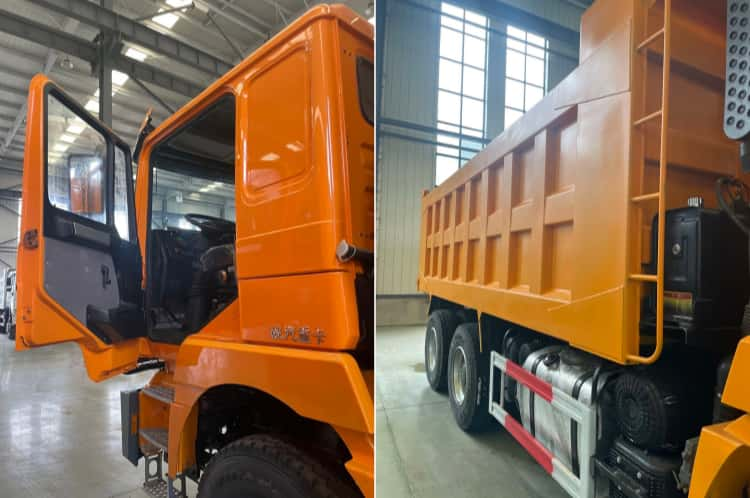
Key Distinction: Asset Credit Is Not Scrap Value
Scrap value is only the metal’s raw material price. Asset credit is the economic value of a still-serviceable engineered chassis, capable of supporting another productive service cycle. Scrap value is tiny. Asset credit, when unlocked by standardised formal reman work, is the foundation of a low-TCO circular fleet.
Final Takeaway
Asset credit represents the unused service value embedded within a heavy truck’s sound chassis. Formal remanufacturing does not merely repair broken parts; it unlocks and extends this trapped credit, separating the long-lasting structural base from faster-wearing subsystems.
This lets fleets extract far more productive service from each asset, smooth capital rotation and reduce reliance on expensive new equipment. For fleet portfolio planning, asset credit is the financial logic that makes formal remanufacturing a sustainable circular strategy, not just a cheaper buying option.