Material Fatigue Theory: The Hidden Foundation of Vehicles Remanufacturing Evaluation
Intro
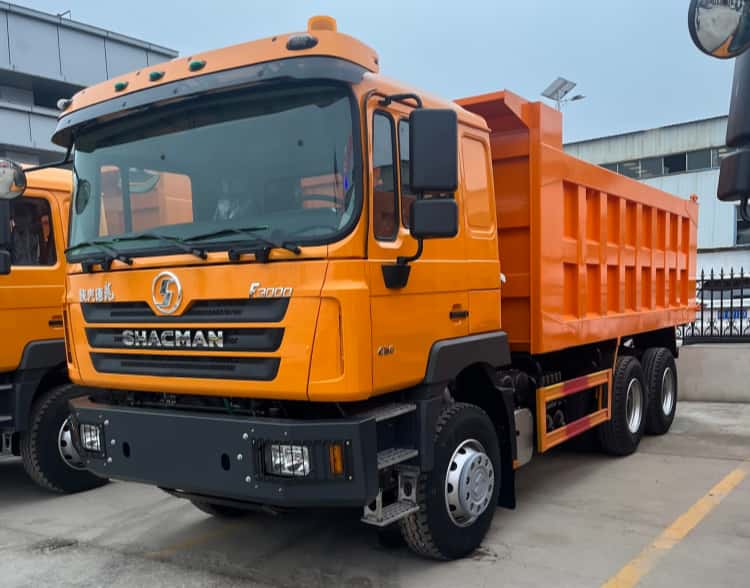
Most fleet buyers judge reman quality by power output, fuel consumption and whether the truck can pass a simple test run. Yet one invisible risk sits beneath every heavy-load failure: material fatigue. Fatigue damage does not always show as cracks on the surface at first glance. It builds slowly under repeated stress, and it is the quiet foundation of professional heavy vehicles remanufacturing evaluation. Without accounting for fatigue, even a well-reassembled truck may fail suddenly under mine, quarry or long-haul cycling loads.
What Material Fatigue Is, In Simple Terms?
Material fatigue is progressive damage triggered by repeated cyclic loading. Every time a heavy truck accelerates, brakes, climbs a slope, or absorbs vibration over rough ground, its core components — crankshaft, axle housing, gear teeth, frame, suspension brackets — absorb stress. A single heavy overload may not break the part. But thousands and millions of repeated stress cycles create tiny internal microcracks. These cracks grow slowly over time. Once they reach a critical size, the component fractures abruptly, often with no obvious prior warning.
This is the key difference from one-time overload fracture. Fatigue damage accumulates gradually, hidden inside the metal. A part may look perfectly sound externally, while internal crack propagation is already underway.
Why Fatigue Is Critical for Retired Heavy-Duty Chassis?
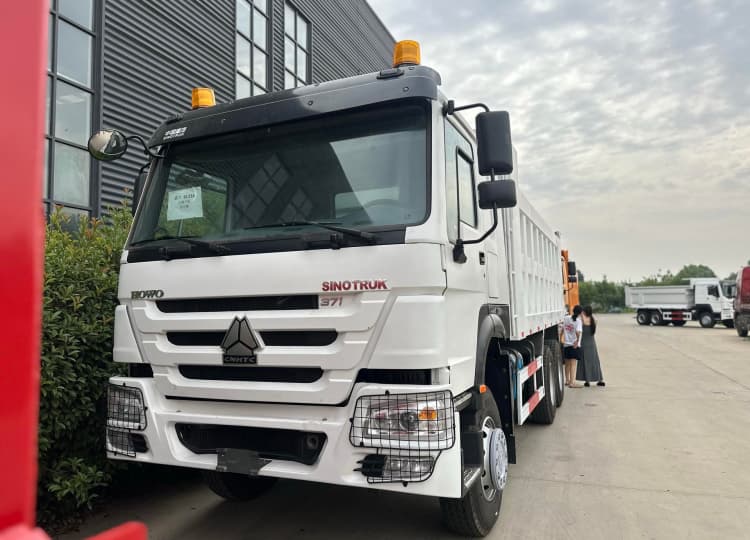
Used heavy trucks have already gone through millions of load cycles before entering reman workflow.
- Highway haulage creates steady cyclic torque on crankshaft and drivetrain
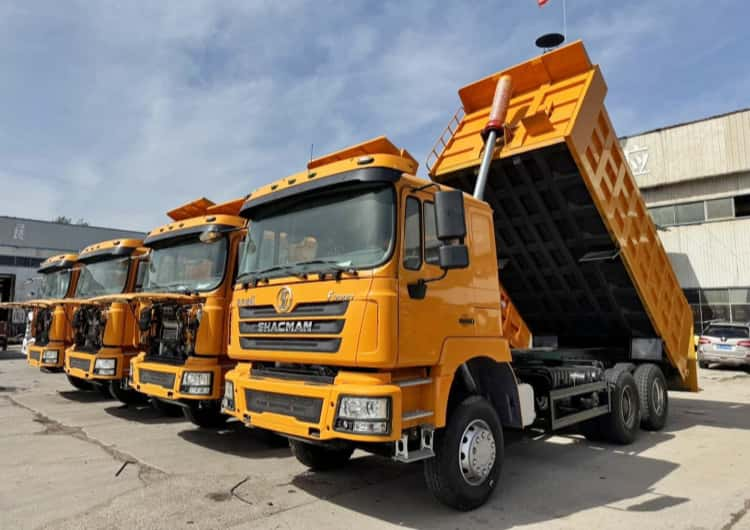
- Off-road quarry and mine work adds shock vibration and variable stress
- Past overloading, poor maintenance or previous accidents can accelerate fatigue accumulation
Surface wear is easy to measure with callipers. Fatigue damage is not visible to the naked eye. Even if journal dimensions are still within tolerance, the metal may already contain fatigue cracks that will fail quickly after returning to service. This is why simple dimensional checks alone are not enough for reman quality control.
How Formal Vehicles Remanufacturing Builds Fatigue Assessment Into Evaluation
Standardised heavy vehicles remanufacturing integrates fatigue screening into its inspection workflow, and this is where it separates from basic functional repair.
- First, technicians run non-destructive testing (NDT) including magnetic particle, ultrasonic or penetrant inspection on high-risk components. These methods detect subsurface microcracks that visual inspection cannot catch.
- Second, they follow clear scrapping rules for components with fatigue signals. Even if the part still fits and rotates smoothly, once fatigue cracks are identified, it cannot be restored for heavy-duty service. Welding or grinding out fatigue cracks is not an acceptable fix for critical load-bearing parts in certified heavy vehicles remanufacturing.
- Third, restoration limits are set with fatigue life in mind. Machining to remove wear is only allowed when the remaining material thickness still retains enough fatigue resistance. If too much material is removed during rework, the component’s fatigue life drops sharply, even if dimensions meet OEM static tolerance.
Functional-only rebuilds usually skip this fatigue screening. They only check whether the part works right now, ignoring accumulated cyclic damage. This creates a ticking time bomb for fleets.
Fatigue and the Second Lifecycle of Reman Trucks
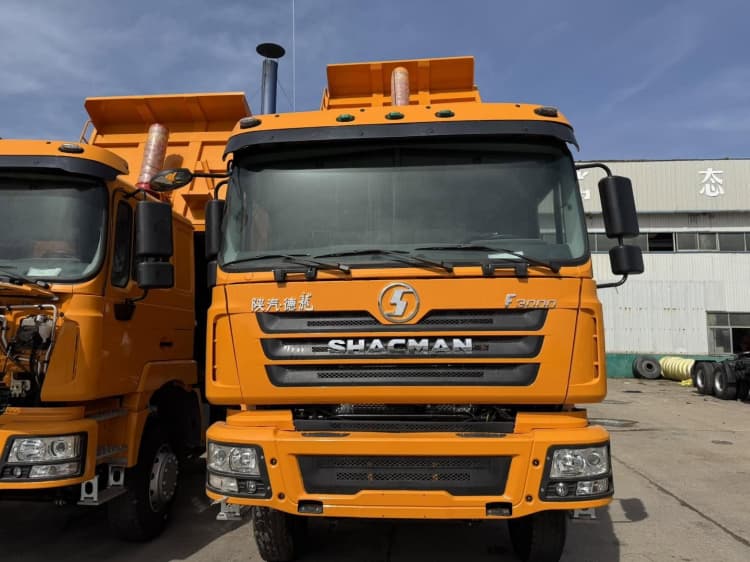
The goal of design-spec reman is not just to fix wear, but to exclude components with residual fatigue damage. When fatigue-risk parts are filtered out, the remaining assembly has a predictable, usable second life. Its failure curve is driven by normal consumable degradation, not sudden fatigue fracture.
If fatigue screening is skipped, the reman truck’s lifespan becomes random. Two trucks with identical power and fuel test results can have vastly different service lives, simply because one hides undetected fatigue cracks. This unpredictability ruins fleet TCO planning and workload tiering.
Common Misconceptions About Fatigue in Reman Procurement
- “If dimensions are within tolerance, the part is safe.” False. Dimension checks measure wear, not internal fatigue damage. A dimensionally compliant crankshaft can still carry propagating fatigue cracks.
- “Minor cracks can be welded and put back into service.” False. Welding alters metal grain structure and introduces residual stress, which accelerates fatigue crack growth on high-load components.
- “Low mileage means no fatigue risk.” False. Short, harsh off-road cycles can create severe fatigue damage in far fewer kilometres than steady highway operation. Operating load profile matters more than odometer reading.
Practical Guidance for Fleet Buyers
When evaluating heavy vehicles remanufacturing quality, ask specifically about fatigue control, not just performance data.
- Confirm NDT inspection scope for fatigue-critical components: crankshaft, cylinder head, axle housing, main gears, chassis frame
- Request NDT reports tied to the VIN, with clear pass/fail conclusions for fatigue cracks
- Clarify the workshop’s policy: are fatigue-cracked parts scrapped immediately, or repaired and reused?
- Avoid suppliers who rely only on visual inspection and dimensional measurement for high-load assemblies
Fatigue assessment is not a theoretical engineering topic. It is a practical quality gate that prevents catastrophic mid-operation breakdowns.
Final Takeaway
Material fatigue theory explains why invisible cyclic damage poses the biggest reliability risk for reused heavy vehicle components. It is the hidden foundation of rigorous reman evaluation. Standardised, certified heavy vehicles remanufacturing uses NDT testing to screen out fatigue-damaged parts before reassembly.
Without this fatigue screening, even a clean, well-assembled truck remains vulnerable to sudden, costly failure. For fleet managers, understanding fatigue helps you distinguish robust design-spec reman from risky functional rebuilds, and protect your fleet’s uptime and total cost of ownership.