The Invisible Engineering Boundary Between Recoverable Reman Core and End-of-Life Vehicle Assets
Introduction
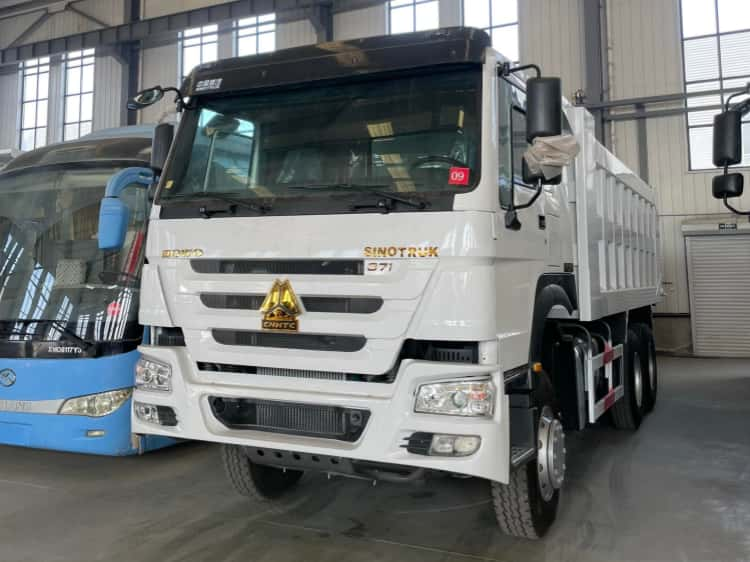
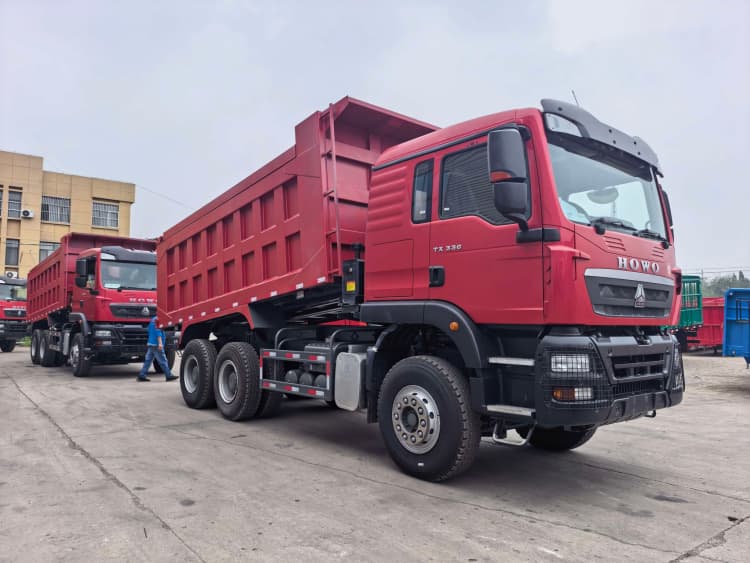
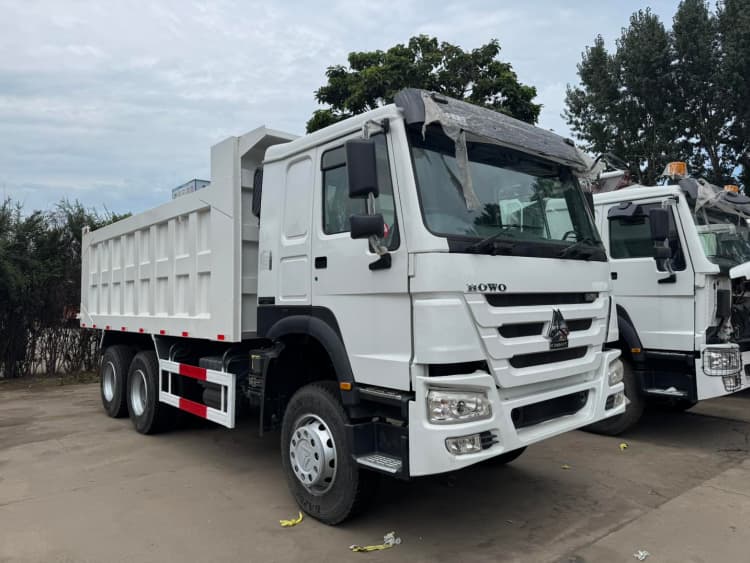
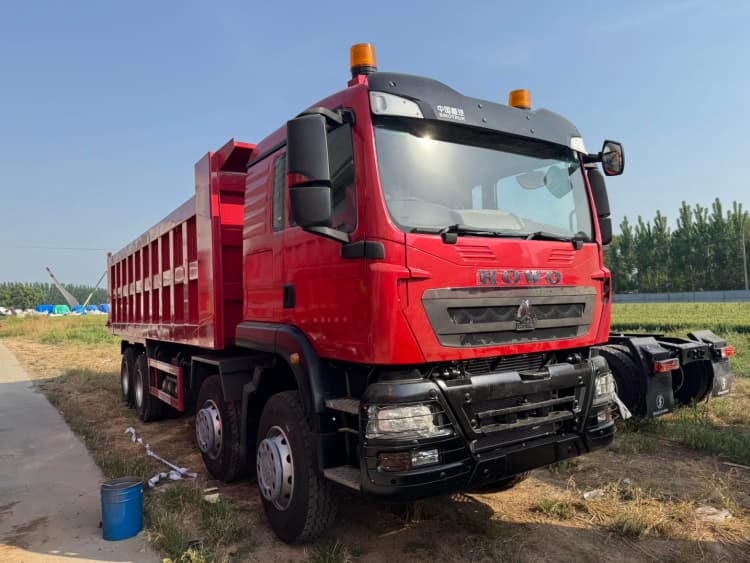
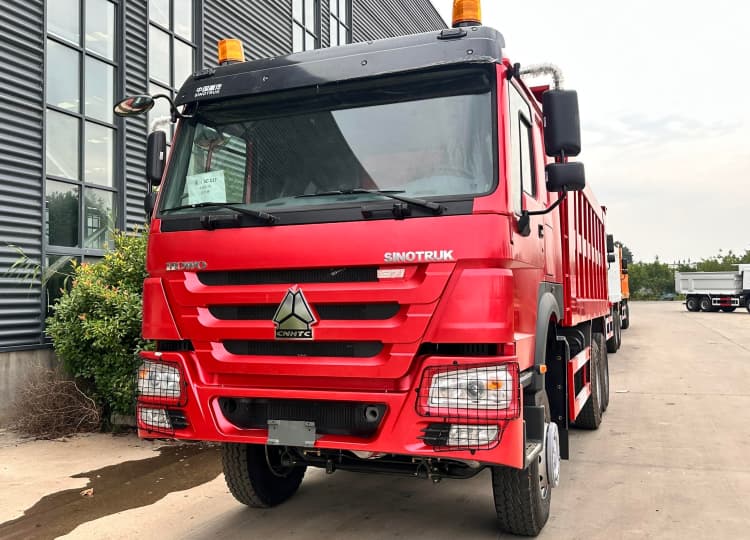
On the surface, two retired heavy trucks can look nearly identical: same model, similar mileage, comparable wear and paint condition. One can enter certified remanufacturing and receive a full asset reset; the other must be routed to metal recycling, even if it can still start and drive.
This split is not decided by appearance, mileage, or whether the engine runs. It is governed by an invisible engineering boundary. This boundary is not a physical line drawn on the frame, but a threshold built from metallurgical state, remaining fatigue reserve, structural capacity and irreversibility of damage. Crossing this threshold transforms a recoverable reman core into an end-of-life asset. This article unpacks how REMAN ROAD identifies, measures and respects this invisible dividing line.
The boundary is defined by irreversibility of material degradation
The foundational rule of this boundary distinguishes reversible degradation from irreversible material change. Reversible degradation includes surface wear within OEM tolerance limits, removable surface corrosion, minor surface deposits, loose fasteners, failed seals and consumable fatigue. These defects can be eliminated through cleaning, machining, part replacement and calibrated reassembly, without altering the base metal’s inherent strength and fatigue properties. Assets with only reversible degradation sit on the recoverable side.
Irreversible damage crosses the boundary. Once material undergoes permanent change, no reman process can restore its original design assumptions. Typical irreversible conditions include plastic deformation of load-bearing frame sections, fire-induced thermal embrittlement, deep penetrating corrosion that reduces wall thickness below the minimum safe limit, through-propagating fatigue cracks, and metallurgical alteration from severe overload or improper high-heat repairs.
This is the invisible distinction: wear can be reset; permanent material transformation cannot. Visual inspection often fails to tell the difference. A bent frame that has sprung back partially may look straight, yet the grain structure has already been permanently stretched past its yield point. It has crossed into end-of-life territory.
Residual fatigue capacity is the quantitative threshold
A reman core may show no obvious irreversible damage, yet still sit on the end-of-life side because its remaining fatigue budget is exhausted.
Every load-bearing component is assigned a fatigue life budget in the original OEM design. Each heavy hauling cycle consumes a portion of that budget. Even without a visible crack, years of cyclic loading deplete the reserve. The invisible boundary is crossed when the remaining fatigue margin is insufficient to sustain another full reman loop under rated payload and dynamic shock loads.
This explains a critical market misconception: a crack-free component is not automatically recoverable. If cumulative load history has consumed nearly all its fatigue reserve, it cannot safely support a new lifecycle baseline. NDT and structural assessment do not only search for cracks; they evaluate whether the asset still holds enough unused fatigue capacity for reset.
The boundary is location-dependent, not uniform across the whole vehicle
This boundary does not apply equally to every part of a truck. A vehicle is not simply “all recoverable reman core” or “all end-of-life vehicle”. Different components and different zones on the same frame rail have separate thresholds.
A minor crack on a low-load auxiliary bracket may be repairable and stay recoverable. The same crack size, located at a high-stress frame cutout or steering knuckle root, crosses the boundary immediately and renders that component end-of-life.
This creates a layered judgement system: the whole vehicle may still qualify as a reman core, while individual components within it cross the boundary and are scrapped. The whole asset remains recoverable only when its primary continuous load path — frame, main cross-members, axle housings and steering load path — stays on the safe side of the threshold. If the primary load path crosses the irreversible boundary, the entire core becomes end-of-life, even if its engine and transmission work perfectly.
Prior unapproved modifications can push an asset across the boundary
Many cores start their service life within recoverable limits, but field alterations quietly shift them across the invisible boundary over time. Improper add-on welds, uncalculated frame drilling, reinforced brackets, modified suspension geometry and over-tuned powertrains change the load distribution and create new stress concentration points.
Even if the modification does not immediately crack the frame, it rewrites the original load assumptions the OEM used to calculate fatigue reserve. The design safety margin is no longer valid. For REMAN ROAD standards, this loss of validated load path integrity is itself a boundary trigger. Unless the modification can be fully removed and the structure restored back to original OEM geometry, the core is classified as end-of-life for certified remanufacturing. Cosmetic fixes cannot reverse this change to the stress system.
Benchmarking the boundary against original design intent
The invisible boundary is always referenced back to the OEM’s original engineering baseline, not workshop convenience or market expectation.
Some rebuild operations create relaxed, informal thresholds to save cores. They accept reduced wall thickness, lower safety factors or unrepaired stress risers. This does not move the real engineering boundary; it simply chooses to ignore it. The asset remains fundamentally end-of-life by original design standards, even if it is patched and sold as a rebuilt truck.
Certified remanufacturing refuses to shift the boundary for commercial expediency. The threshold is fixed: the asset must be capable of operating within the OEM’s defined safety margin for a fresh service cycle. Any core that cannot meet that bar is end-of-life, regardless of market demand or cost pressure.
The boundary is dynamic, revealed through layered inspection data
You cannot read this boundary from a single measurement. It emerges only when multiple inspection data points are combined: dimensional survey, ultrasonic thickness testing, full NDT results, material hardness checks, deformation mapping and operational history review.
- A thickness reading alone cannot tell you if corrosion has compromised fatigue capacity
- A clean NDT report cannot rule out prior plastic deformation that leaves no crack
- A low-mileage log cannot guarantee the truck was not repeatedly overloaded and fatigued rapidly
The invisible boundary is a composite engineering conclusion, not a single checkmark. This is why structural assessment must happen before disassembly and component grading. The team first judges whether the core is even eligible to enter the reman process workflow.
What happens once an asset crosses this boundary?
Once classified as end-of-life, the asset exits the reman loop and enters material recycling. Its high-grade steel, castings and forgings are melted down and returned to raw material streams.
This is not a failure of circularity. Circular economy follows a value hierarchy: reman first, then repair, then recycling. The boundary is the control point that prevents unsafe, fatigued assets from being passed off as certified remanufacturing. It protects the integrity of the entire reman loop. Without this clear boundary, certified remanufacturing would collapse into unregulated overhaul, and the trust of fleet buyers and tender auditors would erode.
Closing
The line separating recoverable reman cores from end-of-life assets is invisible to the naked eye. It lies at the point where reversible wear gives way to irreversible material change, and where residual fatigue reserve drops below the safety margin required for a new lifecycle reset.
For REMAN ROAD, this boundary is the non-negotiable gatekeeper of quality. It reminds us that certified remanufacturing is not about saving every old truck. It is about identifying the subset of assets that still retain the material integrity to safely resume their designed engineering duty. All other assets must leave the reman loop and cascade into recycling.