The Role of Design Legacy in Supporting Long-Cycle Reman of Heavy Vehicles
Introduction
Long-cycle reman means more than a single rebuild. It describes an industrial possibility: a qualified commercial vehicle core can, under strict inspection rules, go through multiple asset-reset cycles across decades, instead of being scrapped after its first working life. This repeated circulation is not achieved by workshop skill alone. It depends heavily on the design legacy embedded in the original vehicle platform — the cumulative engineering choices, material specifications, platform logic and documentation left behind by the OEM.
Many newer light commercial or consumer vehicles are engineered for short service lives and sealed, non-serviceable assemblies; they carry no usable design legacy for reman. By contrast, classic and mature heavy truck platforms are built with a legacy that supports repeated disassembly, inspection, rework and lifecycle reset. This article unpacks how that design legacy enables long-cycle reman, and why it is a strategic asset for REMAN ROAD.
Conservative overdesign and fatigue margin as inherited safety reserve
The most valuable part of design legacy is the built-in safety factor. When OEMs develop heavy-duty platforms, frame rails, axles, crankshafts and steering components are sized for worst-case operating scenarios: sustained overload, road shock, vibration and variable climate conditions. This conservative sizing creates a residual fatigue buffer after the first service cycle.
This inherited margin is what makes long-cycle reman mathematically viable. After one life of controlled operation, the structural components have consumed only a portion of their total allowable fatigue budget. If they pass structural capacity assessment and NDT screening, enough reserve remains for a second, or even third, reman cycle. Without this legacy of overdesign, the first life would fully exhaust material capacity, leaving no room for reset.
It is critical to distinguish this from reckless reuse: the legacy margin is not a blank cheque. It must be recalculated at every reman intake, accounting for accumulated corrosion, prior repairs and detected defects. The design legacy sets the upper theoretical limit; inspection decides whether the individual core can still access that reserve.
Modular, bolted architecture built for service and disassembly
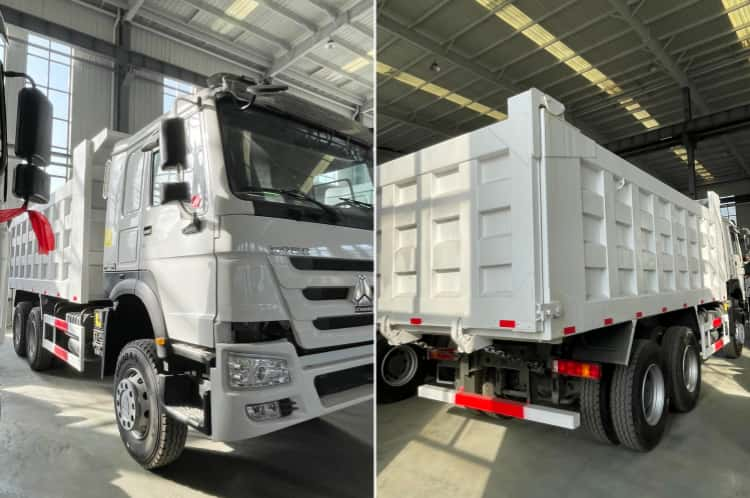
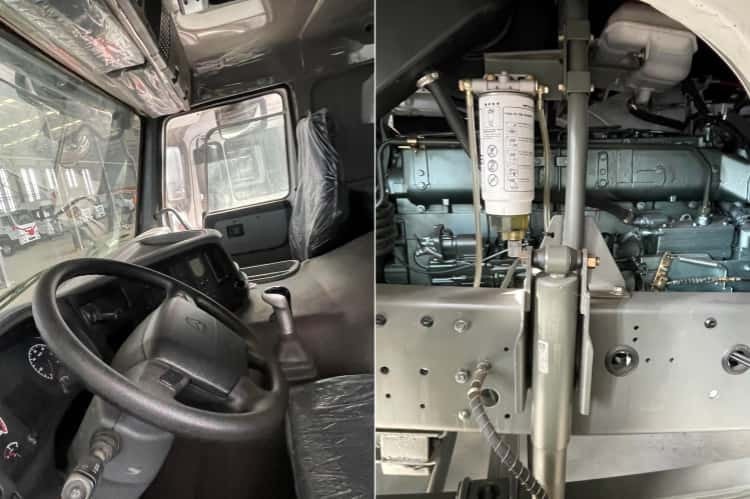
A core piece of design legacy is the platform’s assembly philosophy. Mature commercial vehicle platforms were engineered with field maintenance in mind. Subsystems are separated, fastened by bolts rather than permanent welds or sealed housings. Fastener standards are consistent, interfaces are repeatable, and components can be removed without destructive cutting.
This modular heritage is the prerequisite for long-cycle reman. In each reset cycle, technicians can fully strip the vehicle, isolate load-bearing parts, run NDT, grade components, replace worn consumables and reassemble. If the original design had integrated structural and functional parts into monolithic sealed modules, component-level sorting would be impossible. The asset could only be repaired at the surface level, never fully reset.
Even after decades, the platform’s original interface logic remains stable. That stable interface legacy allows cross-cycle interchange of qualified reusable parts within the same model family.
Stable material specifications and repeatable metallurgical standards
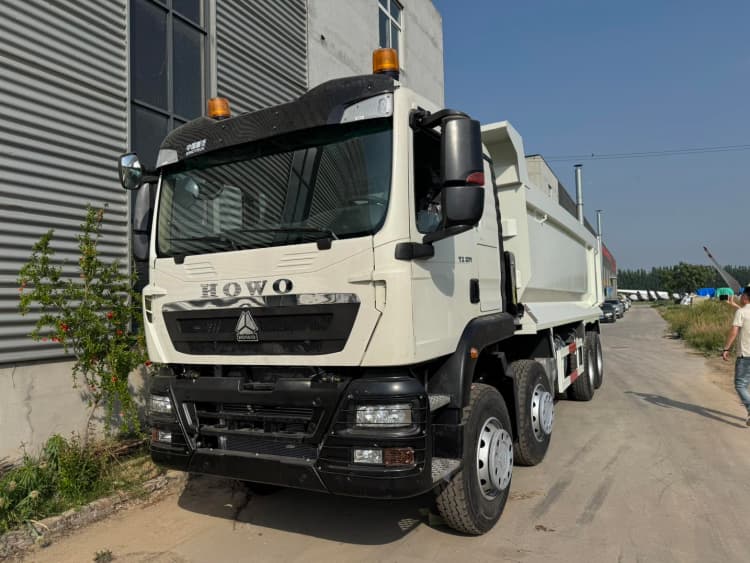
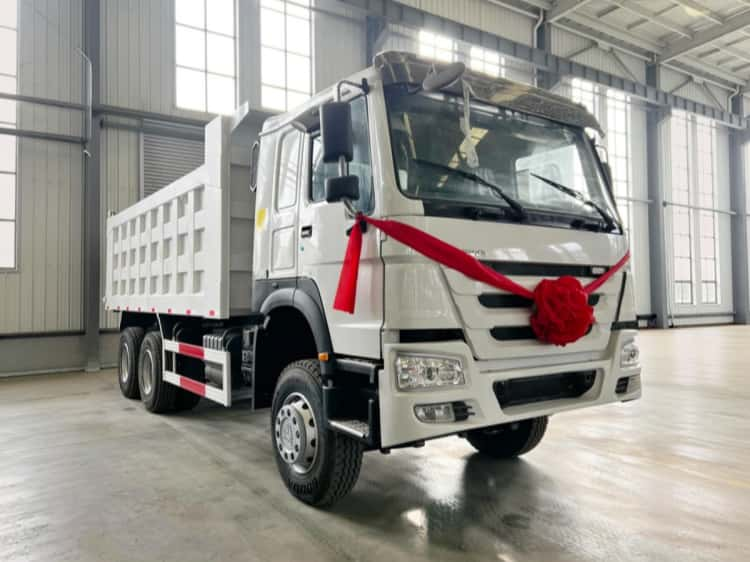
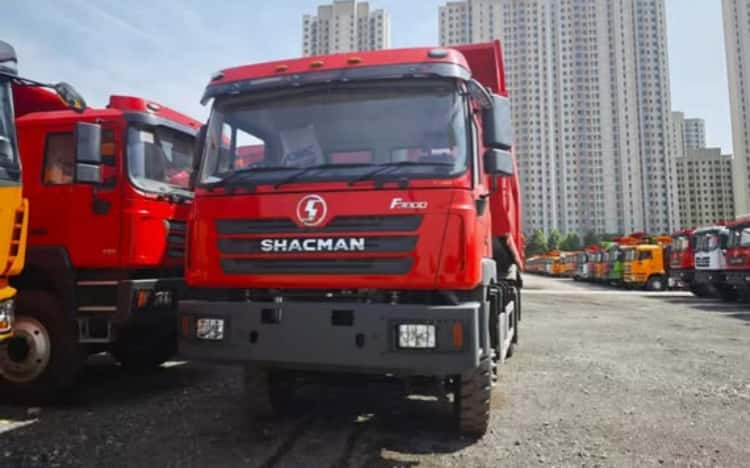
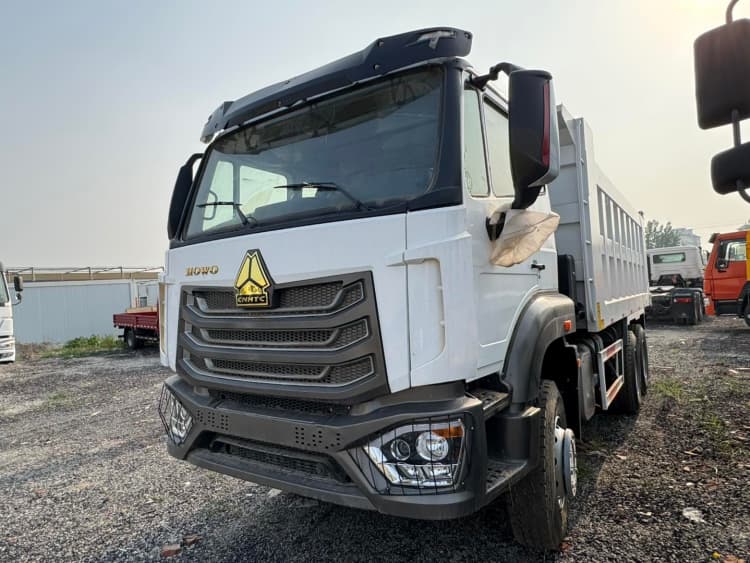
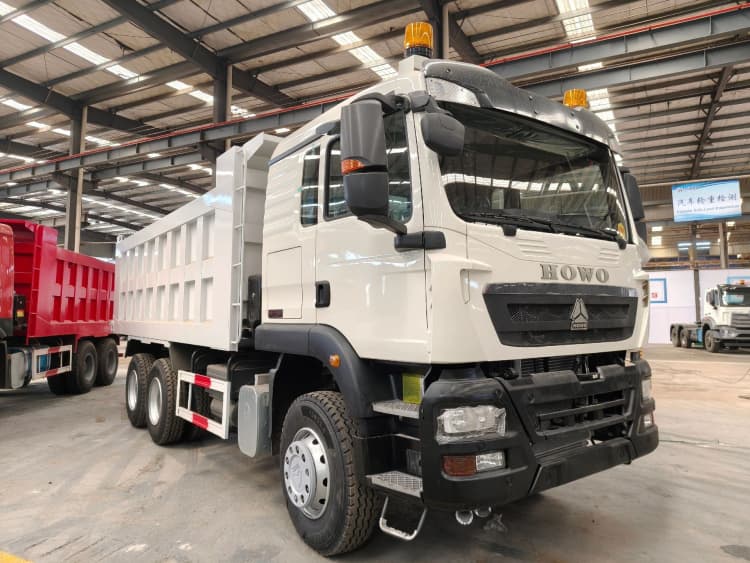
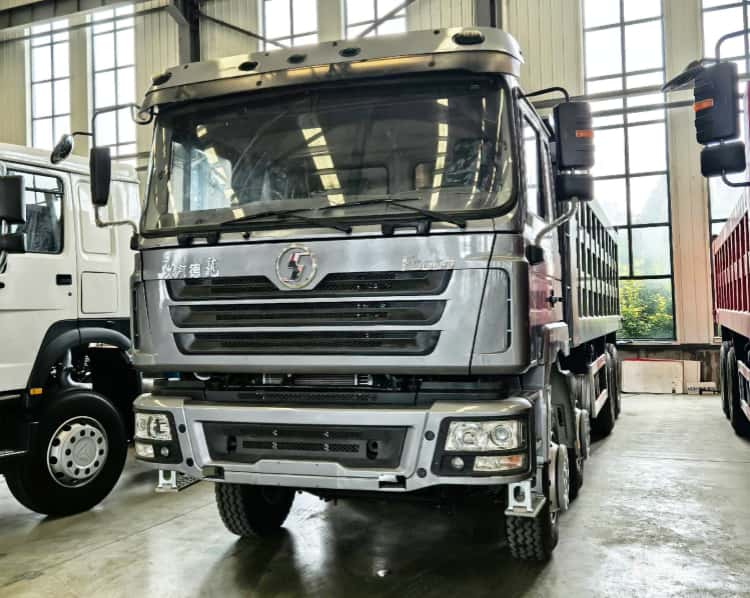
Design legacy includes fixed material grades, forging procedures, heat-treatment regimes and hardness requirements for critical components. For a given Howo or SHACMAN platform, the OEM defined exactly what alloy is used in frame rails, axle housings and crankshafts, alongside acceptance criteria for grain structure, inclusion limits and heat-affected zones.
This stable metallurgical baseline gives inspectors a fixed reference across multiple reman cycles. When a component returns for its second or third reman screening, technicians know what material property to verify. They can judge whether corrosion, overheating or overload has altered the original metallurgical state. Without this documented legacy, inspectors would lack a benchmark to tell whether a part’s material is still fit for another cycle.
When design documentation is lost, or when a platform switches material standards mid-generation, long-cycle reman becomes far riskier. The reference line disappears.
Published tolerances, drawings and failure-mode knowledge
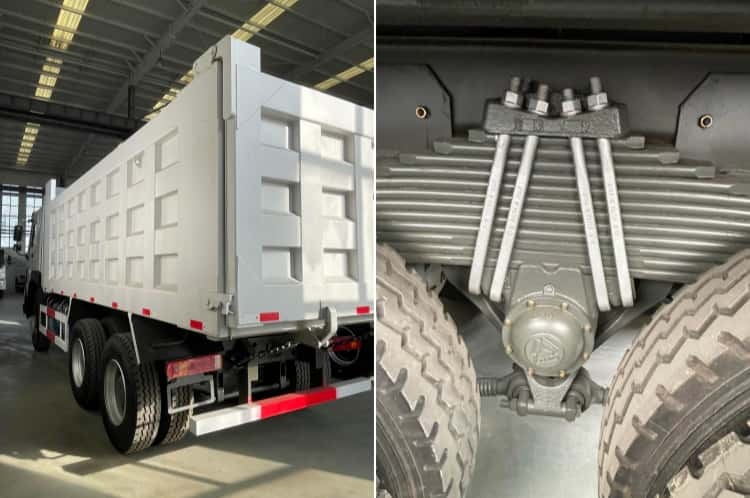
Design legacy lives in engineering documentation: dimension tables, wear limits, torque sequences, alignment standards, weld procedure specifications and known failure hotspots. OEM engineering teams map where cracks tend to emerge, how load transfers across frame cutouts, and how wear propagates in gear sets and bearing journals.
This inherited failure-mode knowledge makes every reman cycle more precise. Inspectors know which locations to prioritise during NDT, which dimensional drifts are dangerous, and which rework methods are compatible with the original design intent. Instead of learning failure patterns through trial and error, reman workflows build on decades of OEM durability testing.
For long-cycle reman, this knowledge accumulates: reman operators add their own field data from earlier reset cycles back to the platform’s collective legacy, refining inspection thresholds further.
Long-running platform continuity and spare-part ecosystem
Many successful heavy truck platforms run for 10, 15 or more years with gradual evolution rather than full redesign. This continuity is another layer of design legacy. Chassis geometry, mounting points and major powertrain interfaces stay consistent across model years.
Platform continuity supports long-cycle reman in two ways. First, replacement parts for damaged components remain available or can be sourced within the same platform family. Second, reman standards developed for early units of the platform still apply to later variants. If a platform is redesigned completely every two or three years, the accumulated reman know-how quickly becomes obsolete.
This is why certain classic heavy-duty chassis are favoured for cross-border certified reman in Africa and Central Asia: their long-lived design legacy creates a stable parts and inspection ecosystem.
The limits of design legacy: it cannot override irreversible damage
Design legacy creates the possibility of multiple reman cycles, but it does not make components immortal. The inherited fatigue margin can be consumed by abuse: repeated extreme overload, crash deformation, fire damage or unapproved structural modifications. Once a component suffers plastic deformation, deep thermal embrittlement or through-wall corrosion, the original design assumptions no longer hold. Even the strongest design legacy cannot restore metallurgically irreversible damage.
This creates the core rule for long-cycle reman: design legacy defines the ceiling of what is possible; structural assessment and NDT decide which individual assets are still eligible. A platform with strong design legacy will still produce cores that must be rejected and recycled.
Design legacy vs modern disposable design philosophy
A useful contrast clarifies the value. Many modern commercial vehicle designs prioritise lightweighting, emissions packaging and low initial manufacturing cost. They integrate functions, use application-specific lightweight materials and reduce serviceability. These designs carry little reman-friendly legacy. They may be efficient for their first life, but they are not built for repeated disassembly, inspection and asset reset.
Platforms with strong reman-friendly design legacy follow a different priority order: durability, serviceability, interchangeability and predictable fatigue behaviour. They were built for long service in remote, harsh operating environments — exactly the same qualities that make them suitable for long-cycle circulation in a circular economy.
Closing
Design legacy is the accumulated engineering heritage of a vehicle platform: conservative fatigue margins, modular serviceable architecture, fixed material standards, documented tolerances and long-running platform continuity. It is the quiet enabling condition that separates single-life overhaul from genuine long-cycle reman, in which a commercial vehicle core may safely pass through multiple lifecycle resets.
For REMAN ROAD, respecting design legacy means building reman standards aligned with the OEM’s original engineering intent, rather than inventing relaxed ad-hoc rules to suit worn cores. It turns mature heavy truck platforms into renewable industrial assets, supporting stable cross-border supply, ESG carbon accounting and predictable fleet TCO across extended multi-decade service timelines.