The Circular Logic: Why Vehicle Reman Is Not Simple Reuse of Used Trucks?
Introduction
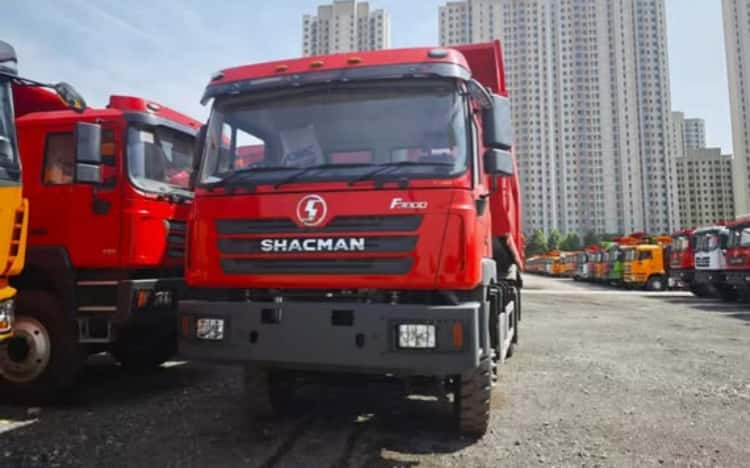
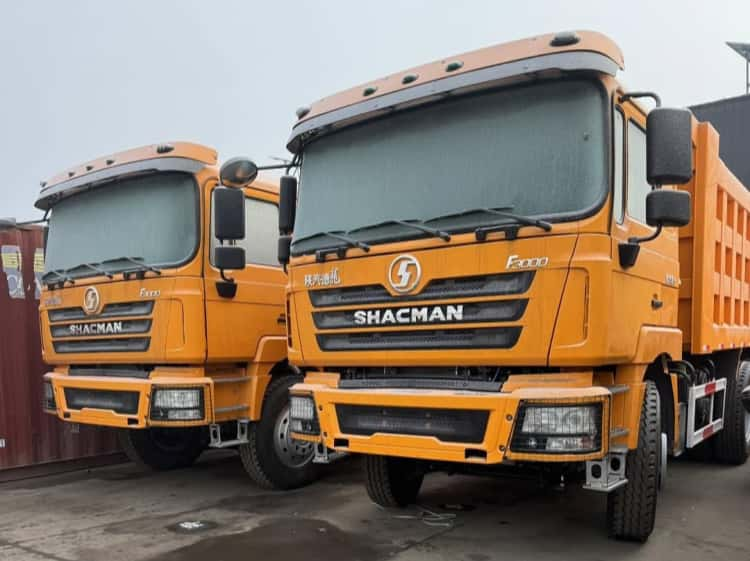
At first glance, both remanufacturing and direct reuse take a used heavy truck and return it to operation. This superficial similarity often leads people to group them together under “circular economy”. Yet they follow entirely different circular logic. Simple reuse extends the existing life of an asset with all its accumulated flaws intact. Genuine vehicle remanufacturing systematically resets the asset’s performance and safety baseline, turning a worn used core into a new, defined reman truck under controlled engineering rules.
This article unpacks that circular distinction and explains why heavy vehicle reman occupies a higher-value, more reliable tier within the circular economy hierarchy.
Different starting logic: Extend remaining life vs reset lifecycle
Simple reuse of a used truck means accepting the vehicle “as is”. It may clean the truck, fix obvious leaks and replace broken lights or tyres so it can keep working. The core material fatigue, microcracks, corrosion and accumulated wear in load-bearing components remain untouched. The truck continues along its original ageing curve; its lifecycle clock keeps ticking forward from wherever it stopped. The circular value here is basic: avoid immediate scrapping.
Genuine vehicle remanufacturing starts with a different circular goal. It treats the used truck only as a raw core resource. Through full disassembly, cleaning, NDT screening and component grading, latent fatigue is removed. Parts that cannot meet the standard are scrapped or reworked.
The finished vehicle is not just the old truck continuing its life — it is a rebuilt asset with a documented new starting point for service. The circular logic is not “keep running what we have”, but “recover valuable material and asset potential, then rebuild it to a repeatable quality standard”.
Boundary of intervention: Passive acceptance vs active material governance
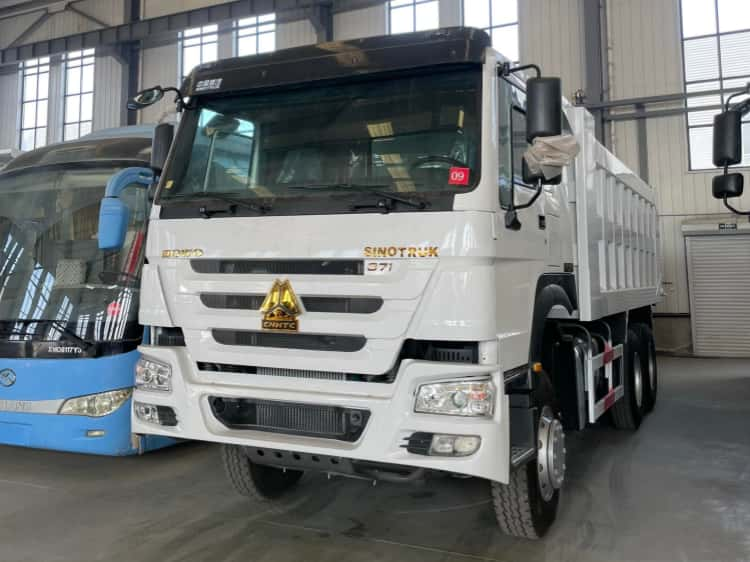
Simple reuse is low-intervention circularity. It does not question the hidden condition of safety-critical components. If a frame, steering knuckle or crankshaft looks intact, it stays in service. No mandatory subsurface inspection is performed. Risk is deferred rather than eliminated. That risk may emerge later as sudden failure during heavy-duty operation.
Genuine vehicle remanufacturing is active material governance. It imposes a formal filter on every critical part. NDT and dimensional testing separate components into reusable, repairable and scrap streams. Fatigued but still functional parts are removed from the asset pool. This creates a controlled circular loop: sound components cycle back into new reman builds, defective components flow to recycling, and only qualified material carries forward. Without this filtering, reuse merely passes hidden risks down the supply chain.
Performance baseline: Unknown residual capacity vs auditable specification
A reused used truck has an unknown residual performance envelope. No one can reliably quantify how much fatigue life remains in its frame or powertrain. Its safe load margin, expected failure timing and residual value are all guesswork. This makes TCO modelling unreliable and disqualifies it from formal tender, ESG accounting and structured fleet asset planning.
A REMAN ROAD certified reman truck has a defined, tested baseline. Dynamometer, brake and hydraulic bench tests confirm performance against fixed thresholds. The full VIN-linked dossier records which components passed inspection, which were reworked and which were replaced. Fleet managers can model maintenance cycles, forecast depreciation and set operating limits based on evidence, rather than guesswork. The circular value becomes measurable, auditable and tradable.
Waste hierarchy: Low-value retention vs cascaded material optimisation
In circular economy waste hierarchy theory, reuse sits at a simpler level above recycling, while genuine vehicle remanufacturing sits above both repair and basic reuse.
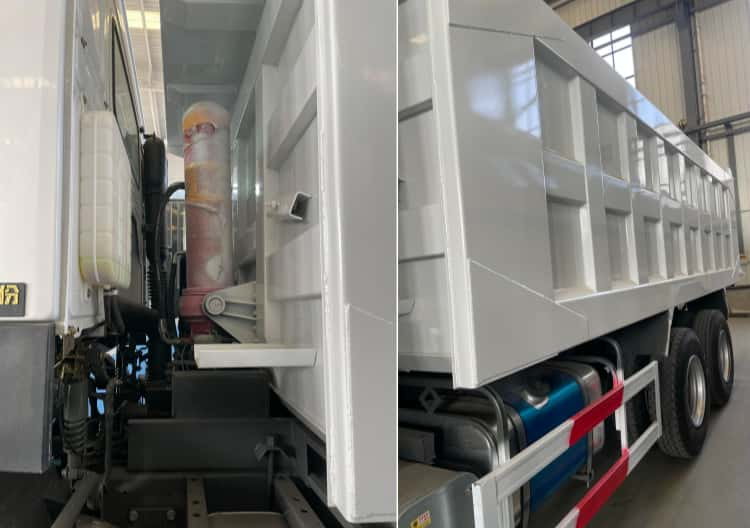
- Simple reuse: The whole vehicle remains intact; no component-level sorting occurs. If the truck eventually fails catastrophically, it often goes straight to scrap.
- Genuine vehicle remanufacturing: It enables cascaded optimisation. Good components from one core can feed into reman builds; repairable parts are restored under approved processes; unrepairable parts are sent for metal recycling. The value locked in steel, castings and forgings is preserved at the highest possible material grade, instead of being degraded into scrap prematurely.
This is the key circular difference: reuse preserves the whole vehicle as one uncertain package; heavy vehicle reman disassembles the asset, sorts its value, and rebuilds only the qualified parts into a predictable new unit.
Risk transfer model: Unmanaged risk vs contained, documented risk
Simple reuse transfers all unknown fatigue risk to the next operator. The prior owner’s accumulated wear and hidden defects are passed on together with the truck. There is no standardised quality guarantee beyond basic operability.
Genuine vehicle remanufacturing does not eliminate all future wear, but it removes latent pre-existing fatigue risk from the asset before handover. Its warranty covers failures stemming from the reman process itself, and the audit trail clarifies root causes when breakdowns occur.
From a circular supply chain perspective, this creates trust that allows cross-border trade, fleet scaling and repeated asset circulation. Without this risk containment, the used-truck circular market remains fragmented, low-trust and limited to informal transactions.
ESG and carbon logic: Avoid one scrap event vs maximise embodied carbon payback
Both reuse and reman cut emissions compared with building a brand-new truck. But their carbon logic differs. Simple reuse avoids the emissions of immediate scrapping, yet the asset may fail quickly and require replacement soon, eroding its carbon benefit.
Genuine vehicle remanufacturing delivers more robust carbon savings. By resetting the lifecycle baseline, it extends the useful service window of high-embodied-carbon components such as frame rails, crankshafts and axle housings.
The carbon cost of disassembly, testing and reassembly is amortised over a new predictable service life. This is why certified heavy vehicle reman qualifies for formal carbon accounting and green project eligibility, while basic reuse often does not meet audit requirements.
Quick distinction table (concept summary)
- Circular strategy: Simple reuse = extend existing asset life; Heavy Vehicle Reman = recover core value and build a new baseline asset
- Inspection: Simple reuse = visual check only; Genuine Vehicle Reman = mandatory NDT + dimensional verification
- Parts rule: Simple reuse = retain all working parts; Genuine Vehicle Reman = grade, rework or scrap fatigued parts
- Risk: Simple reuse = latent fatigue carried forward; Heavy Vehicle Reman = latent fatigue removed before release
- Documentation: Simple reuse = minimal records; Heavy Vehicle Reman = full VIN-bound audit dossier
- Circular tier: Simple reuse = basic whole-asset retention; Genuine Vehicle Reman = high-value component-level circular manufacturing
Common misconception to avoid
A truck that is cleaned, repainted and given new tyres is still reuse, not reman. Even if it runs reliably today, it has not undergone lifecycle reset. Genuine vehicle remanufacturing is not just “making an old truck look good to use again”. It is a manufacturing process that uses a used core as feedstock.
Closing
The circular logic separating genuine vehicle remanufacturing from simple used-truck reuse hinges on risk and baseline control. Simple reuse keeps an ageing asset in circulation as it is. Certified heavy vehicle reman breaks the asset down, filters its components by material integrity, removes hidden fatigue, and reconstructs it into a predictable, auditable asset with a fresh lifecycle starting point.
For fleets and cross-border buyers, this distinction explains why genuine vehicle remanufacturing delivers a more stable, tender-ready, ESG-aligned circular solution than the informal reuse of second-hand heavy trucks.