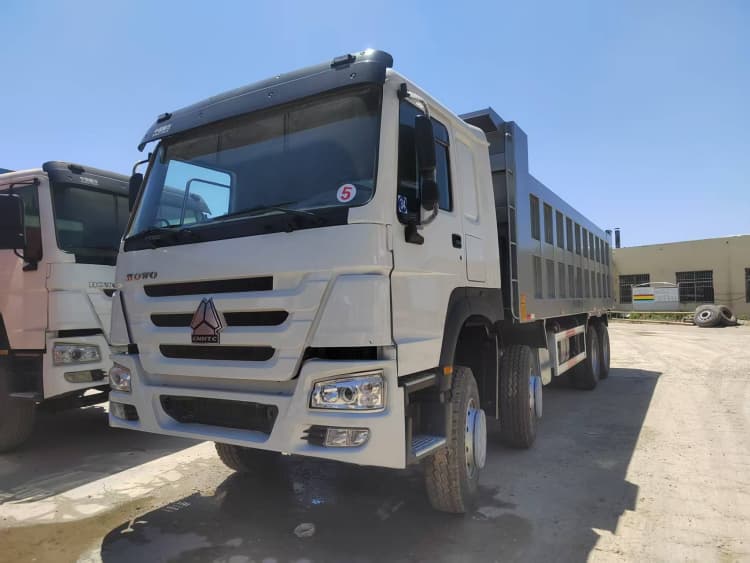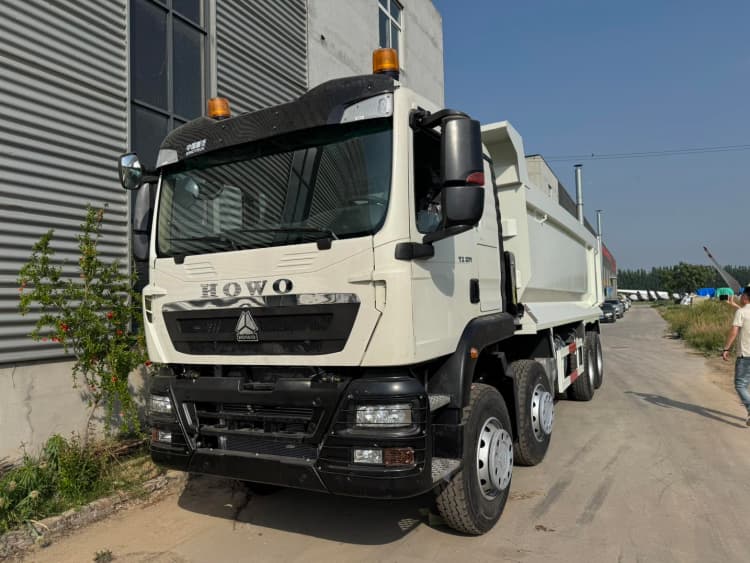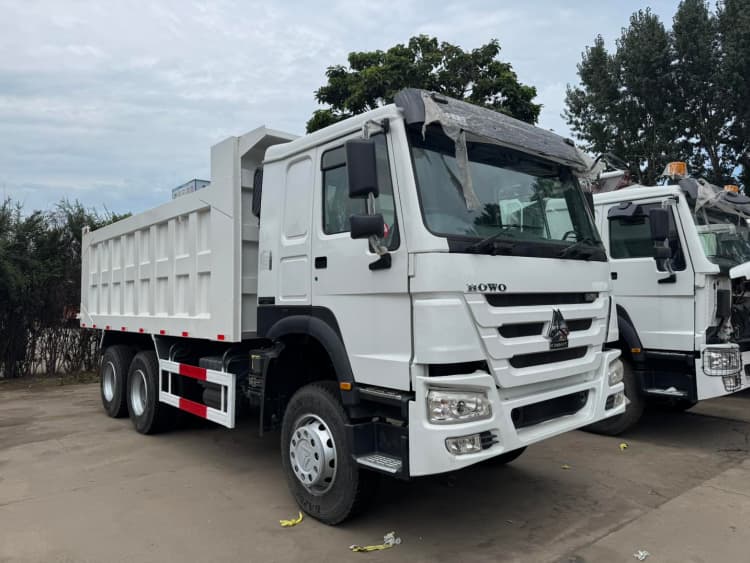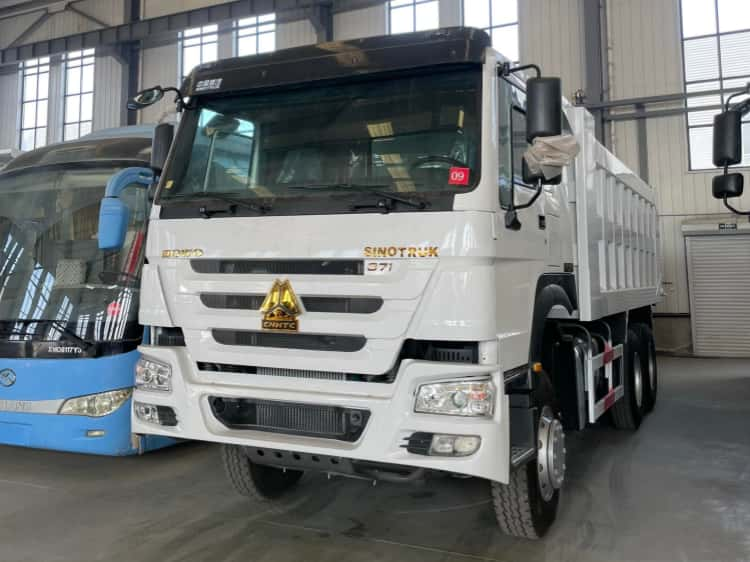
Genuine Remanufacturing vs Overhaul: Why They Cannot Be Treated The Same?
Introduction
In heavy vehicle maintenance markets, overhaul and remanufacturing are often mentioned together. At first glance, both processes repair worn trucks and replace damaged parts. However, overhaul is a targeted repair activity, while genuine remanufacturing is a complete industrial regeneration system.
Mixing up these two concepts can expose fleets to unexpected breakdowns, high maintenance bills and project downtime losses. This article clarifies their fundamental differences for fleet decision-makers.
Basic Definition
Overhauled Trucks
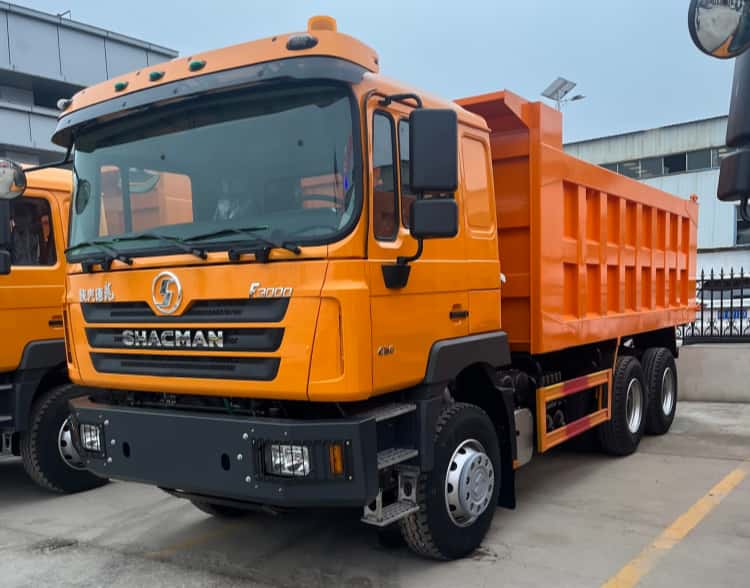
Overhaul, sometimes called major repair, focuses on a single failed or heavily worn assembly — most commonly the engine.
- Technicians disassemble only the target assembly, replace visibly damaged components, and reassemble it to restore basic function.
- The rest of the truck, including frame, axles, steering and suspension, remains untouched.
- The core goal of overhaul is to fix a known fault and get the truck back into operation quickly.
It is a reactive workshop service rather than a standardized production process.
Genuine Remanufactured Truck
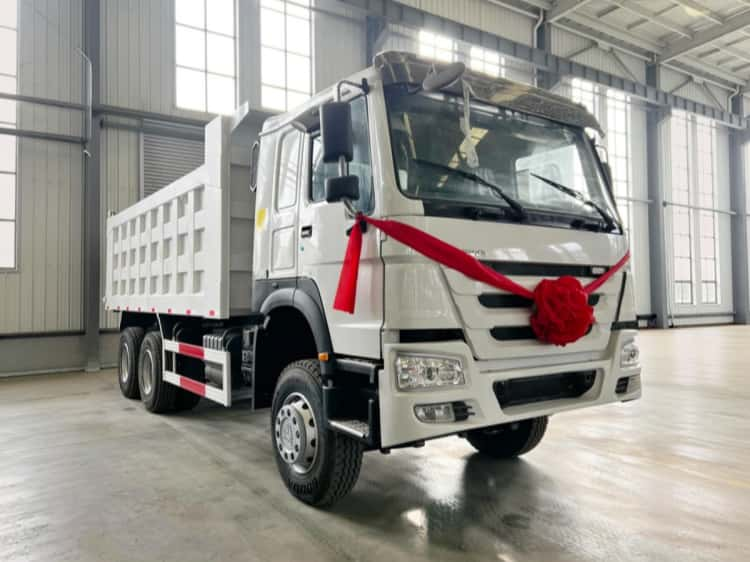
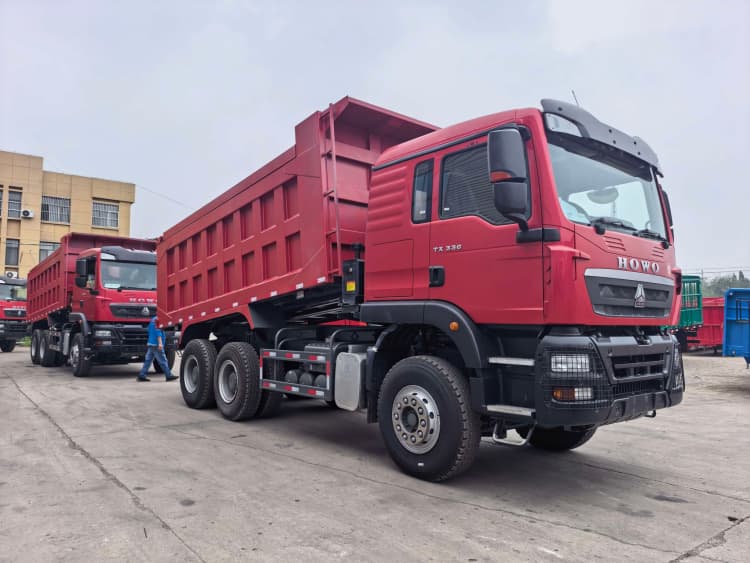
Genuine remanufacturing covers the entire vehicle.
- A qualified core truck is fully disassembled down to individual parts. Every component is cleaned, measured and inspected. NDT testing is used to detect invisible metal fatigue in load-critical structures.
- All fatigue-limited consumables are replaced proactively, worn surfaces are machined back to OEM tolerances, and the whole vehicle passes systematic bench tests and loaded road validation.
The goal is to reset the asset’s economic life and bring overall vehicle performance up to near-new benchmarks.
Differences in Workflow Scope
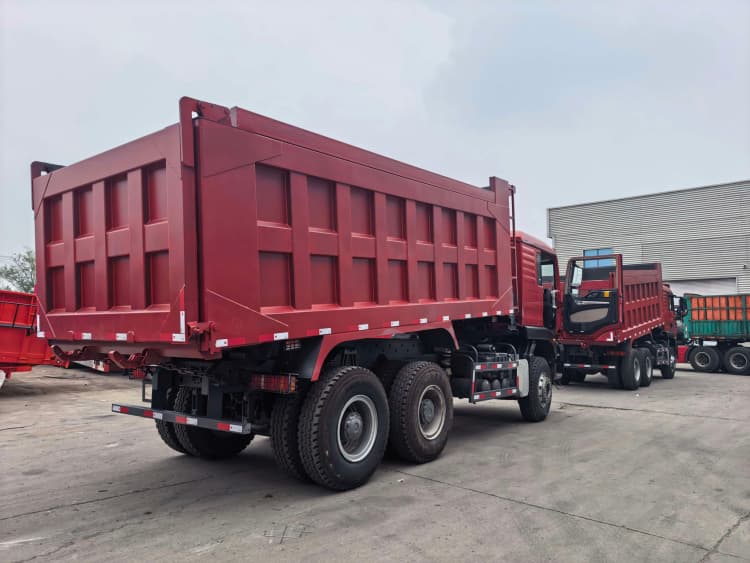
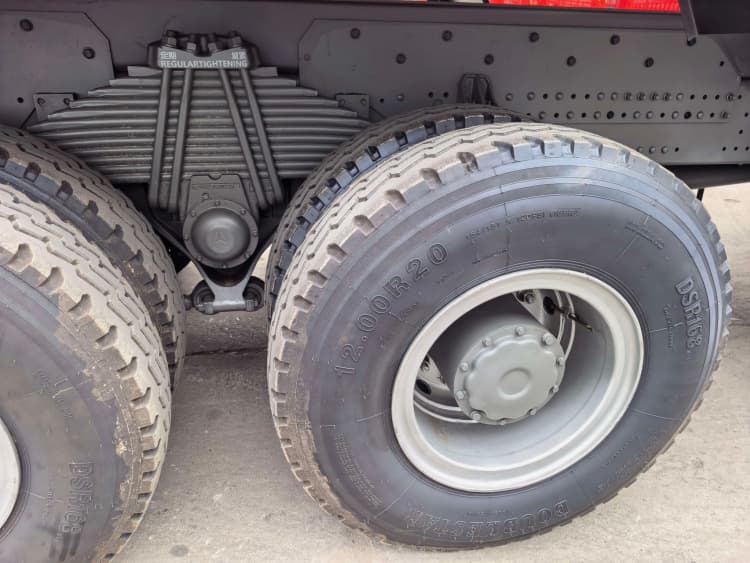
- Overhaul only opens selected assemblies. If the engine is overhauled, chassis and axle systems stay assembled. Inspections are limited to parts within that single unit. Hidden cracks, corrosion and accumulated wear in frame, axle housing or steering components are not checked. Parts that still function today but will fail soon remain in place.
- Genuine remanufacturing requires full disassembly of the whole truck. No major assembly remains untouched. Every component goes through grading, and all fatigue-prone parts are replaced according to fixed standards, not only those already broken. Structural inspection via NDT is mandatory to find subsurface defects that visual checks cannot detect.
Performance Testing Standards
- For overhauled trucks, testing is simple and targeted. After reassembling the engine, technicians usually run an idle test or a short drive to confirm the engine starts and runs smoothly. There is no requirement for dynamometer testing to verify power and torque, nor full system testing for brakes, hydraulics and axles. The standard is just “runs normally”.
- Genuine remanufactured trucks must complete a series of quantified performance tests. Engine dynamometer, axle bench, hydraulic and brake system tests verify performance stays within near-new tolerance ranges. A loaded road test confirms stable operation under working load. All test results are recorded and linked to the vehicle VIN.
Reliability & Long-Term Operating Risk
- An overhauled truck can regain engine power, but the rest of the vehicle continues aging. Hidden fatigue in frame or axles may cause sudden failure during heavy haulage or off-road work. After a short period, other unrelated components will start to break down one after another, driving up unplanned maintenance and downtime.
- A genuine remanufactured trucks eliminates hidden structural risks during production. With systematic renewal of fatigue components, the whole vehicle enters a predictable second lifecycle. Unplanned breakdown rates are kept low, and maintenance budgets become much easier for fleet managers to forecast.
Documentation & Warranty
- Overhaul work typically produces limited paperwork, often just a simple repair invoice. Records only cover the overhauled assembly. No full vehicle inspection reports or NDT certificates are generated. Warranties are narrow and usually apply only to the repaired assembly, excluding structural failures elsewhere on the truck.
- Genuine remanufacturing comes with a complete traceable dossier, including core screening logs, NDT inspection reports, component replacement records and full performance test data. The genuine remanufacturing warranty covers defects introduced during the whole reman process, rather than just one single assembly. These documents support third-party audits, tender requirements and ESG reporting.
Suitable Application Scenarios
- Overhaul fits fleets that want to extend the service life of an existing truck temporarily. It works for low-risk, short remaining service periods where the fleet accepts higher future breakdown risk. It is a maintenance repair, not an asset renewal solution.
- Genuine remanufacturing suits mid-term heavy-duty projects such as mining and construction. Fleet operators need stable reliability, predictable TCO and auditable quality records over a multi-year contract. It is a strategic asset upgrade rather than a one-time component repair.
Widespread Market Misconceptions
- Myth: If the engine is overhauled, the truck is remanufactured. Fact: Engine overhaul only fixes one assembly. The chassis, axles and steering system still carry accumulated wear and hidden fatigue. It cannot be counted as full vehicle remanufacturing.
- Myth: Overhaul and reman have similar reliability. Fact: Overhaul addresses known faults, while genuine remanufacturing proactively removes hidden risks across the entire vehicle. An overhauled truck will face cascading failures much sooner under heavy working conditions.
- Myth: Overhaul is a cheaper shortcut to get reman-level performance. Fact: Lower upfront overhaul cost is offset by repeated emergency repairs and downtime losses. For heavy fleets, these unexpected costs can quickly exceed the price difference between overhaul and genuine remanufacturing.
Conclusion
The essential distinction between genuine remanufacturing and overhaul lies in scope and purpose. Overhaul is partial, reactive repair focused on a faulty assembly. Genuine remanufacturing is a full-vehicle industrial regeneration process with mandatory structural inspection and whole-vehicle performance validation.
Fleet buyers should not treat overhauled trucks as equivalent to genuine remanufactured truck. When sourcing heavy vehicles for critical projects, confirm whether the supplier completed full vehicle disassembly, NDT structural inspection and complete system performance testing, rather than only an engine or component overhaul.