Residual Value Protection: How Certified Reman Trucks Hold Asset Value Better?
Introduction
For fleet operators, residual value is often an afterthought during truck procurement. Yet the amount recovered when an asset is sold or retired directly cuts the net total cost of ownership. Two trucks bought at similar entry prices can end up with drastically different net lifecycle costs, depending on how much value they retain over years of heavy-duty work.
Ordinary second-hand heavy trucks tend to lose value unpredictably. Certified reman truck follow a different value curve. Their standardized regeneration process, verified quality and complete traceable records help lock in stronger residual value when it is time to dispose of the asset. This article explains the mechanism behind reman’s asset value retention.
What Is Residual Value for Heavy Fleet Assets?
Residual value means the estimated market worth of a truck at the end of its planned service period.
- It is the remaining value after depreciation, wear and operational degradation.
- When fleets calculate TCO, residual value acts as an offset against all the costs incurred during operation.
- A truck that holds its value well reduces the net expense of running the asset.
- Buyers in the secondary heavy vehicle market price assets heavily based on risk.
- If a truck’s service history, structural integrity and mechanical condition cannot be proven, buyers apply steep risk discounts and offer much lower prices.
Why Ordinary Used Heavy Trucks Lose Value Rapidly?
Standard used heavy trucks carry unknown accumulated fatigue:
- The next buyer cannot easily confirm whether the frame, crankshaft or axle housing contains hidden microcracks or undetected corrosion. Even if the truck still runs, prospective buyers assume high future repair risk.
- Service logs are often incomplete or unreliable. There is no proof of full inspection, component renewal or performance testing. Every unknown becomes a reason to reduce the offer price.
- As operating hours accumulate, uncertainty grows. The resale value drops sharply and unpredictably. Many used heavy trucks only retain scrap-level value after a few years of off-road or heavy haul work.
How Certified Reman Workflow Builds Long-Term Asset Value?
Certified reman workflow removes the biggest discount factor: unknown risk.
- During remanufacturing, the full vehicle is disassembled, inspected and rebuilt.
- NDT testing screens critical load-bearing structures for invisible fatigue.
- All fatigue-prone consumables are proactively replaced, and worn mating surfaces are machined back to OEM tolerances.
- Bench tests and loaded road tests validate performance before delivery.
This reman workflow does not erase the truck’s original manufacturing year, but it resets the asset’s reliability state. The truck enters its second lifecycle with known, verified mechanical condition. Future buyers no longer need to assume hidden structural defects, which removes the largest risk discount applied to regular used trucks.
Traceable Documentation Supports Higher Resale Pricing
One of the strongest advantages for residual value is the complete VIN-linked reman dossier. This package includes core screening reports, NDT inspection records, component replacement logs, dynamometer test curves and formal reman certification.
When the fleet resells the truck, these documents can be handed over to the next buyer. A buyer receiving full technical records can audit the quality of the reman process. They are far more willing to pay a premium for a truck with proven regeneration history, compared with an undocumented used truck of the same age and chassis origin. This documentation becomes a tangible asset during resale.
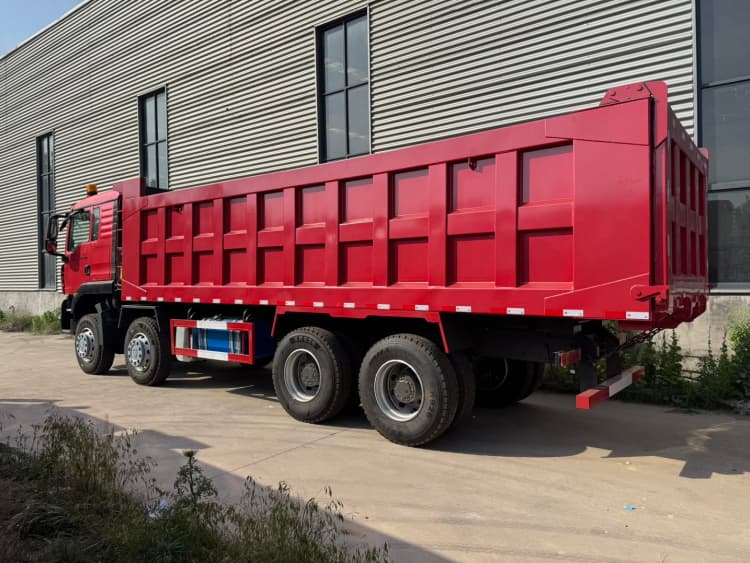
Stable Depreciation Curve Throughout the Second Lifecycle
- Brand-new heavy trucks suffer heavy depreciation in their first two to three years, losing a large portion of value immediately after leaving the OEM factory.
- Ordinary used trucks have volatile depreciation. Their value can drop suddenly once major mechanical failures appear.
- A certified reman truck starts its second lifecycle with a reset reliability profile. Depreciation becomes gradual and predictable. Value declines steadily rather than collapsing unexpectedly.
For mid-term 3–5 year project fleets, this stability makes the final resale proceeds much easier to forecast in financial planning.
Warranty and Market Perception Boost Resale Value
Certified reman trucks come with a dedicated remanufacturing warranty covering defects introduced during the rebuild process. Even if the original warranty expires, this separate coverage improves buyer confidence. The market increasingly distinguishes certified reman truck from basic refurbished trucks.
As global fleet buyers learn to recognise standardised certified remanufacturing certification, reman trucks form their own market segment with better price benchmarks. This separates them from low-grade refurbished trucks sold at steep discounts.
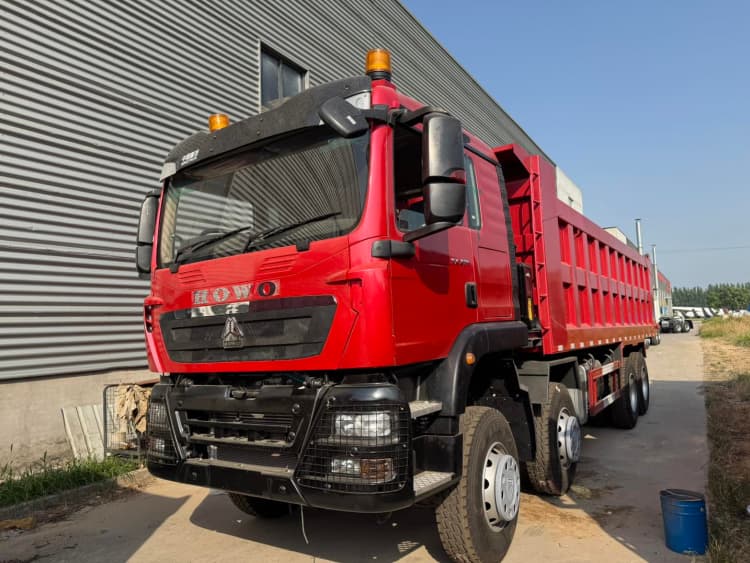
Common Misconceptions About Reman Residual Value
- Myth: Since reman trucks use old chassis, their residual value will be no better than regular used trucks. Fact: The chassis origin alone does not determine resale price. Buyers price risk and provable condition. Certified remanufacturing quality and documentation reduce risk, supporting higher residual value.
- Myth: Residual value only matters for fleets that sell trucks. Fact: Residual value also impacts leasing terms, asset valuation on balance sheets and collateral value for financing. Even fleets retaining assets benefit from stronger, more stable asset valuation.
- Myth: Once a reman truck accumulates working hours, its value drops just as fast as any old truck. Fact: Certified reman trucks have renewed critical components and cleared hidden structural fatigue. Their degradation rate during the second lifecycle is much more predictable than that of an ordinary used truck with accumulated unresolved wear.
Practical Steps to Protect Residual Value of Certifie Reman Trucks
- Preserve the complete certified remanufacturing certification and all test records linked to the VIN. Store these documents through the entire service life.
- Follow the recommended scheduled maintenance. Consistent service records add further proof of good asset care.
- Avoid overloading and abusive operation. Severe misuse will degrade the asset and erode residual value, even for certified reman units.
- When preparing for resale, package the full technical dossier to demonstrate reman quality to potential buyers.
Conclusion
Residual value protection is a key financial benefit of certified reman trucks. Certified remanufacturing eliminates hidden structural risks, while traceable inspection and test documentation reduce the uncertainty that drags down the resale price of ordinary used trucks.
While reman trucks keep their original chassis and VIN, their reliability profile is reset. They follow a stable depreciation curve and command stronger resale value at the end of the project. When calculating TCO, fleet finance teams should not overlook this upside: higher residual value directly lowers the net lifecycle cost of the fleet asset.