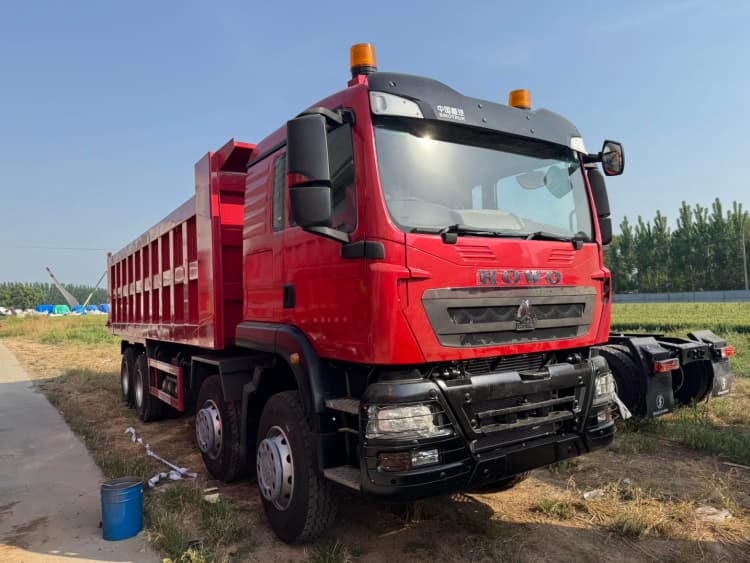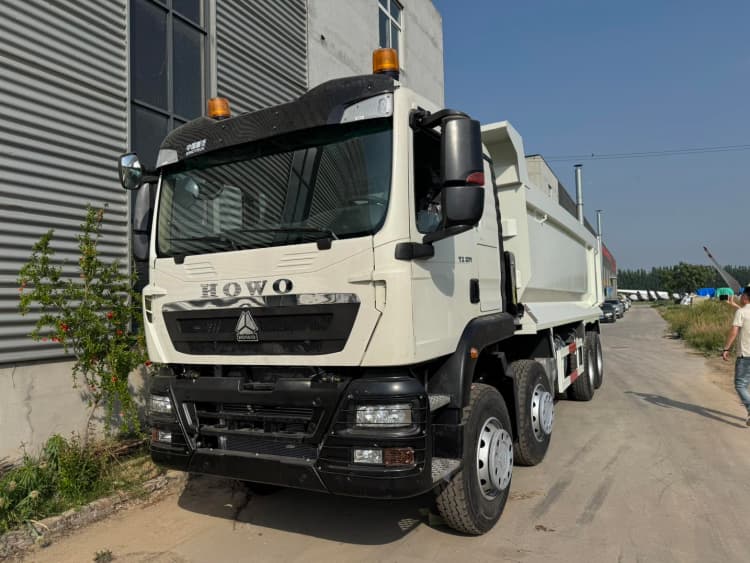
Asset Reset Philosophy: What Separates Standard Remanufacturing From Linear Industrial Consumption?
Introduction
Traditional industrial consumption follows a straightforward linear path: extract raw materials, manufacture a new product, operate it until it wears out, then scrap and discard it. This linear model treats every heavy truck as a one-time, single-lifecycle asset. Once its original service window ends, the high-value forged and cast components inside are often downgraded to scrap metal.
Standard remanufacturing, built on the asset reset philosophy, rejects this logic. It does not treat the end of a truck’s first life as the end of its engineering value. Instead, it treats a qualified used core as a reusable industrial feedstock, and executes a controlled reset of the asset’s performance, safety and lifecycle baseline. This article unpacks this philosophy and its fundamental contrast with linear consumption.
Linear consumption: Assets are designed for depletion and disposal
The linear “take-make-dispose” system frames an asset’s value as fixed from the factory. Raw ore is mined, melted and forged into frame rails, crankshafts and axle housings. The truck is assembled, delivered to the fleet, and operated until accumulated fatigue, wear or failure makes it uneconomical to run. At that point, the asset is considered exhausted. Its only remaining value is low-grade scrap recycling, where high-quality structural steel is melted down and re-enters the raw material stream, losing the energy and labour embedded in machining, forging and heat treatment.
In this mindset, ageing is irreversible. Wear and fatigue accumulate continuously, and there is no structured process to roll back that degradation. Repair and overhaul are only temporary fixes to keep the asset running a little longer, not a formal reset.
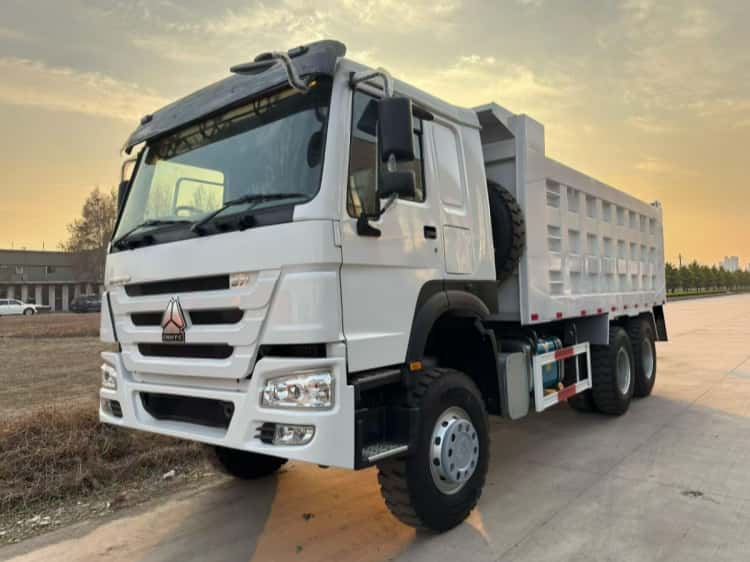
Asset reset philosophy: Engineering value can be recovered, not just depleted
Asset reset starts from a different foundational belief: the embodied industrial value of a heavy truck’s core components — the forging geometry, heat-treatment properties, precision machining — does not vanish simply after one service cycle. Many components still retain recoverable structural potential, if latent damage can be identified and removed.
Standard remanufacturing is the engineered process to separate recoverable value from irreversible damage. Through full disassembly, cleaning, dimensional inspection, mandatory NDT testing and component grading, the asset is disassembled down to its building blocks. Parts that meet integrity standards are retained; fatigued, cracked or irreparably degraded parts are scrapped or recycled.
The goal is not to patch the old truck and extend its declining life. It is to rebuild a new, defined asset baseline, effectively resetting its usable service cycle. The core is not the final product; it is the input material for a new manufacturing cycle.
Linear model prioritises replacement; asset reset prioritises recovery of embedded carbon and labour
Linear consumption prioritises new replacement. When an asset ages, the default solution is to buy a brand-new unit. Every new truck demands massive input of virgin minerals, casting energy, fuel and factory labour. All that embodied carbon is locked into the vehicle from day one.
Under the asset reset philosophy, standard remanufacturing avoids repeating that heavy environmental investment. The high-embodied-carbon structural components that pass inspection retain all the energy already spent on forging and precision processing. The carbon cost of disassembly, testing and reassembly is far lower than manufacturing equivalent parts from raw ore.
This is not a minor cost-saving trick. It redefines how industrial value flows: instead of burning through virgin resources to satisfy fleet demand, value circulates at the highest possible value tier, rather than cascading rapidly down to scrap.
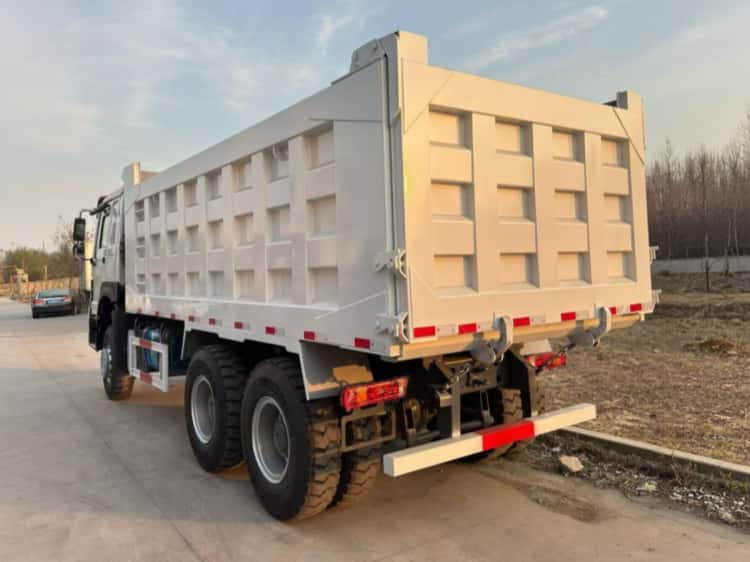
Linear quality is fixed at factory birth; reman quality is revalidated during reset
In the linear model, the asset’s quality specification is locked at the point of original manufacture. Any deviation from factory condition is treated as degradation. There is no formal system to re-establish a known, controlled quality benchmark later.
Asset reset builds a new, independently verified specification. Under REMAN ROAD, every finished reman truck must pass bench validation for powertrain, brakes and hydraulics. Its safety-critical components carry NDT evidence. A formal conformity statement and VIN-bound audit dossier define its new operating envelope.
It does not claim to match every specification of a brand-new OEM truck. But it creates a known, auditable baseline — a new quality reference point that did not exist in the old, worn core. Quality is no longer a one-time factory output; it is a repeatable outcome of the standard remanufacturing workflow.
Linear risk accumulates until failure; asset reset actively strips latent risk away
In the linear lifecycle, risk accumulates passively over time. Microcracks, corrosion and material fatigue build up unseen. Operators carry this unknown risk until a breakdown or catastrophic failure occurs. Even ad-hoc repairs only fix the failed part, leaving other hidden fatigue untouched.
Asset reset is a risk elimination process. It treats latent subsurface fatigue as a defect to be filtered out before the asset returns to service. NDT screening and three-way component grading (reusable, repairable, scrap) are the core mechanisms of this risk stripping. The asset that exits standard remanufacturing is not the same risky, worn asset that entered as a core. Its known risks have been removed, and its remaining operating risks are limited to predictable, normal wear.
Linear supply chains are one-way; reset builds a cyclic industrial feedback loop
Linear supply chains flow in one direction: raw material → factory → fleet → scrap yard. There is no formal reverse channel for high-value components to rejoin production.
The asset reset philosophy creates a closed reverse industrial loop. End-of-service heavy trucks are captured as cores, screened for eligibility, processed through the standard remanufacturing workflow, and reintroduced into fleet operation. When this reman truck eventually completes its new service cycle, it can potentially re-enter the reman evaluation gate again, if its structural integrity still meets eligibility rules.
This transforms used truck cores from waste into a qualified feedstock stream, supporting a self-reinforcing circular industrial ecosystem such as REMAN ROAD.
Key boundary: Asset reset is not endless immortality for hardware
The asset reset philosophy does not claim components can be reset infinitely. Some damage — severe plastic deformation, deep thermal metallurgical change, heavy through-corrosion — is irreversible. Cores or components with this damage cannot be reset and must move to material recycling.
Standard remanufacturing is selective recovery, not magic restoration. Its power lies in applying consistent engineering rules to decide what can safely circulate again, and what must exit the loop. This discipline separates serious asset reset from the informal practice of repeatedly patching worn trucks.
Closing
Linear industrial consumption is built around depletion: resources are turned into products, used up, and discarded. The asset reset philosophy at the heart of standard remanufacturing is built around controlled recovery. It recognises that the value embedded in heavy truck components outlives the first service cycle, and uses structured inspection, testing and rebuild processes to create a fresh, auditable lifecycle baseline.
For heavy vehicle fleets and industrial buyers, this philosophical difference translates into lower embodied carbon, more predictable asset risk, stable supply alternatives to new trucks, and a shift away from the endless consumption of virgin industrial resources.