The Physical, Economic and Regulatory Three-Line Definition of Eligible Reman Assets
Intro
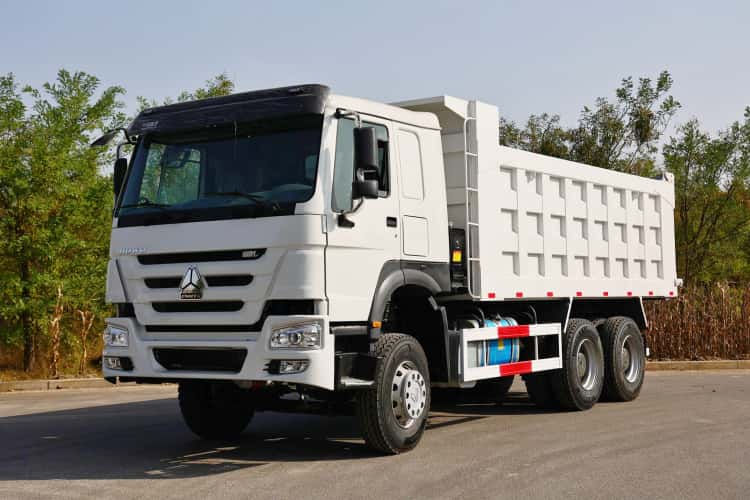
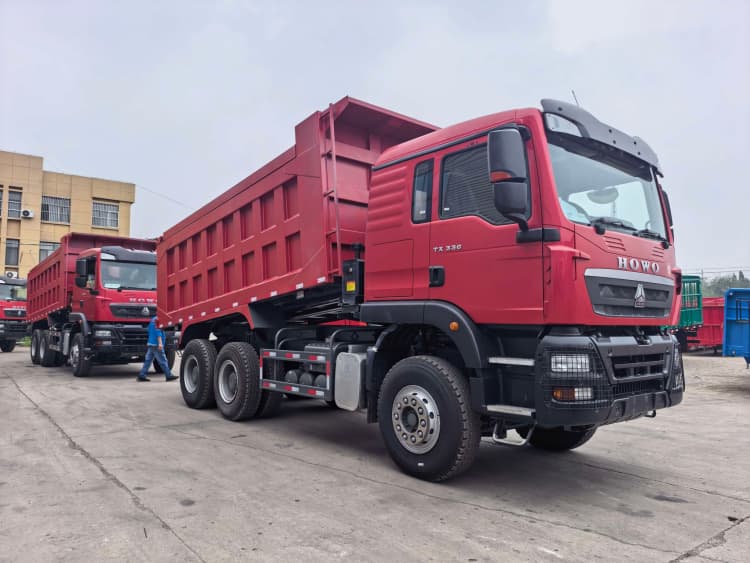
Not every retired heavy truck qualifies for standardised remanufacturing. Many buyers assume that if a chassis is still intact, it is a good reman candidate. In practice, a eligible reman assets must pass three non-negotiable screening lines at the same time: physical soundness, economic viability and regulatory eligibility. If any one line fails, the asset should not move into formal reman production. This three-line framework creates clear, objective entry rules and avoids wasting workshop capacity on assets that cannot deliver a stable second lifecycle and healthy TCO.
The Physical Line: Free From Unrecoverable Material and Structural Defects
The physical line judges whether the chassis and its core load-bearing components retain enough remaining structural integrity to support a full engineered second life.
This screening goes far beyond a simple visual check. It includes frame thickness measurement, full NDT fatigue screening, corrosion mapping and review of past accident or overload history.
A truck passes the physical line only when critical load-bearing parts have no irreversible damage. Frame cracks, severe section loss from corrosion, distorted cross members or confirmed fatigue cracks on high-load components such as crankshafts and axle housings automatically disqualify it. Minor, repairable wear is acceptable, but damage that cannot be restored to OEM design specifications removes the asset from reman eligibility.
The physical line answers one question: can this asset be reset safely, without hidden catastrophic failure risk in its second lifecycle? If the physical line fails, no amount of component replacement or cosmetic work can turn it into a eligible reman assets.
The Economic Line: Positive Reman Margin and Predictable TCO Outcome
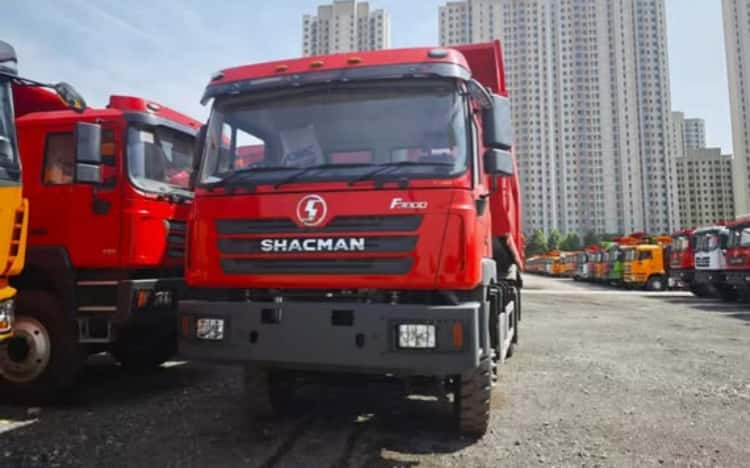
The second filter is economic. Even if a truck is physically sound, remanufacturing only makes sense when the total cost of resetting it delivers better economic performance than alternatives.
Workshops and fleet planners compare the combined cost of inspection, parts, machining, assembly, testing and certification against the expected value of the asset after remanufacturing. The benchmark is set against buying a new truck, purchasing an unmodified used truck, or scrapping the chassis for raw material value.
Key inputs include the model’s spare parts availability, component replacement frequency in the second lifecycle, forecasted downtime risk and projected residual value at exit.
An asset passes the economic line when reman delivers a clear TCO advantage. If the required rebuild investment is too high, or the model’s after-sales support is poor and future repair costs will spiral, it fails this line. Remanufacturing. is not a rescue mission for every old chassis; it is an investment decision.
The economic line answers: will this reman asset create net savings and stable cash flow for the fleet across its second life?
The Regulatory Line: Compatible With Current and Destination Market Rules
The regulatory line confirms that after remanufacturing, the vehicle can legally operate in its target market.
This covers emission standards, road safety inspection requirements, chassis registration rules and local laws governing reman or rebuilt vehicles.
Emission systems are a major focus. The remanufacturing workflow must be able to restore or replace SCR, DPF and EGR components so the finished unit meets the required emission class. Some older chassis cannot be upgraded to modern emission rules at a reasonable cost, making them unsuitable for formal reman for regulated markets.
Registration traceability is also checked. The VIN and chassis history must be clean, without stolen status, conflicting records or permanent registration restrictions.
The regulatory line answers: can this reman asset be legally registered, inspected and operated in the market where it will serve?
How the Three Lines Work Together
All three lines are mandatory; they operate as an AND gate, not an OR gate.
- Physically sound + economically viable + non-compliant: Reject. The truck may be safe and profitable, but it cannot be legally used.
- Physically sound + regulatory compliant + poor economics: Reject. It will become a TCO burden for the fleet.
- Economically attractive + regulatory compliant + hidden structural fatigue: Reject. It carries unacceptable safety and downtime risk.
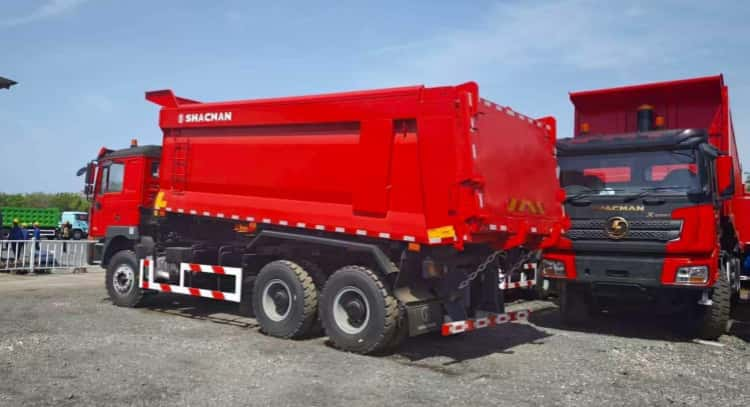
Only assets that clear all three filters enter the formal REMAN ROAD remanufacturing workflow. This triage happens before disassembly begins, so workshops do not waste labour and materials on chassis that should be scrapped or sold for parts.
How This Framework Helps Fleet Buyers During Procurement?
When you understand this three-line definition, you can ask suppliers targeted questions instead of only asking about price and power.
You can request proof of physical screening records, a breakdown of the economic business case for that chassis model, and written confirmation of compliance with your destination country’s road and emission regulations.
It also helps you avoid a common sales trap: sellers may highlight a truck’s good physical appearance and low price, while ignoring regulatory barriers or long-term economic weaknesses.
Common Edge Cases
- A chassis may pass physical and regulatory checks, but its model is obsolete and spare parts are discontinued. It fails the economic line.
- A chassis is cheap to rebuild and parts are easy to source, but it cannot meet destination emission standards. It fails the regulatory line.
- A truck is legal and the TCO calculation looks good, yet NDT finds frame fatigue. It fails the physical line.
Final Takeaway
Eligible reman assets are defined by three linked boundaries: physical integrity, economic viability and regulatory compliance. No single condition is enough. This three-line definition turns remanufacturing qualification from subjective judgement into a structured, repeatable screening process. It is the entry gate for REMAN ROAD’s industrial remanufacturing state, ensuring every eligible reman assets is safe, profitable and legal for its target fleet operation.