How Does REMAN ROAD Define “Truly Reman” As An Industrial State, Rather Than Merely a Service Activity?
Intro
Most buyers instinctively treat truly reman as a service action: a truck breaks down or ages, you send it to a workshop for overhaul, and the job ends once the vehicle runs again. This service mindset frames truly remanufacturing as a reactive fix, bounded by a single repair order. REMAN ROAD rejects this narrow definition. It frames truly remanufacturing as an industrial state — a controlled, repeatable condition that a heavy asset enters after passing a full manufacturing-style production sequence. This shift from “repair service” to “industrial state” reshapes quality consistency, warranty logic, traceability and the whole circular asset lifecycle for heavy fleets.
What Reman Means When Viewed As a Service Action?
Service-focused reman, or casual overhaul, is transactional and task-driven. A workshop receives a used chassis, diagnoses obvious faults, swaps failed components, runs a quick test and returns the truck. The core objective is to resolve the immediate issue. Work scope can shift depending on cost, lead time and what the customer asks for. Inspection depth, testing scope and scrapping rules are decided case by case.
Once the service invoice is closed, the formal quality chain breaks. There is no fixed baseline that travels with the asset. The truck may be functional, but there is no guaranteed, documented state for the next owner or future service cycle. This is the default logic of most local repair shops and cosmetic refurb suppliers.
What It Means to Treat Truly Reman As an Industrial State?
An industrial state is not something you “do” to a truck and finish. It is a verifiable, standardised condition that the asset occupies. When a heavy truck achieves REMAN ROAD reman state, it satisfies a fixed set of engineering gates: full disassembly, fatigue screening via NDT, dimension validation, design-spec restoration or replacement of critical components, system-level calibration, end-of-line dynamic testing and VIN-linked certification.
The state stays attached to the chassis through its documentation package. The asset carries a defined performance baseline, a predictable service window, a clear failure curve and transferable warranty rights. It is no longer just “a used truck that was fixed”. It is an industrial output, produced under the same rules as other REMAN ROAD reman trucks from the same batch.
This is the core distinction: a service action is temporary work. An industrial state is a persistent, auditable property of the asset itself.
How REMAN ROAD Builds This Industrial State Into Its Framework
First, it applies fixed production workflow, not flexible service menus. In a service model, you can pick and choose which assemblies to rebuild. Under REMAN ROAD’s industrial reman framework, the scope of reman is predefined. Critical powertrain, drivetrain, brake and emission systems all follow the same disassembly, inspection and scrapping criteria for every unit. Variations are not left to individual technician judgement.
Second, quality is validated against a standard, not just against the customer’s immediate request. A service job passes if it solves the reported symptom. A REMAN ROAD asset passes only when it meets published tolerance, performance and fatigue-risk thresholds. Bench test data, oil analysis records, NDT reports and system balance checks are mandatory inputs to declare the reman state achieved.
Third, traceability makes the state portable. All records are locked to the chassis VIN. When the fleet resells, reassigns or re-remanufactures the truck later, the reman state transfers. The next stakeholder can review the same evidence and understand the asset’s engineered baseline. This is impossible for one-off service repairs, where proof of work rarely survives the first ownership change.
Fourth, the warranty is tied to the industrial state, not the repair event. Service warranties usually cover only the specific parts that were replaced in that repair. REMAN ROAD’s warranty covers the asset as a complete system in its certified remanufacturing state. It reflects the engineered second lifecycle, not just a limited fix for a single fault.
Why This Distinction Matters for Global Fleet Operators?
If truly reman is only a service, fleet procurement becomes guesswork. Two trucks from the same supplier may look similar, but the depth of work, component standards and residual fatigue risk can differ wildly. TCO modelling becomes unreliable, and batch consistency collapses.
When truly remanufacturing is an industrial state, the fleet gains a predictable building block for its asset portfolio. You can mix REMAN ROAD reman trucks into your fleet with confidence that they share aligned service intervals, spare-part compatibility and residual-value behaviour. You can plan workload tiering, maintenance schedules and capital rotation cycles around the known remanufacturing state. The asset credit embedded in the chassis becomes easier to unlock and recycle.
This also reduces cross-border procurement friction. International buyers cannot easily supervise every workshop action. A defined, documented industrial state gives them a universal acceptance criterion, instead of relying on site-by-site service negotiation.
Where The Market Often Confuses The Two?
Many suppliers market a hybrid: they perform a substantial overhaul, then issue a simple service certificate. Even if the work is extensive, it remains a service action if there is no fixed standard governing the full asset state.
A partial rebuild, even with high-quality parts, does not create a REMAN ROAD reman state. The state is only achieved when the complete set of system gates are satisfied and logged. Cosmetic upgrades, paint and cleaning are add-ons, not evidence that the industrial state has been reached.
Procurement Questions to Separate State-Based Reman From Service Overhaul
- Is there a fixed standard definition of the reman state this chassis must satisfy, or is the scope negotiated per order?
- Are all test and inspection records tied to the VIN and required to prove the state, or only generated on request?
- Does the warranty cover the whole asset in its reman state, or only individual replaced parts?
- If I resell this truck, can the reman state and its documentation transfer to the next buyer?
- What criteria remove an asset from the certified reman state after delivery?
If the supplier cannot describe truly remanufacturing as a defined, persistent condition of the truck, they are operating from a service-action mindset.
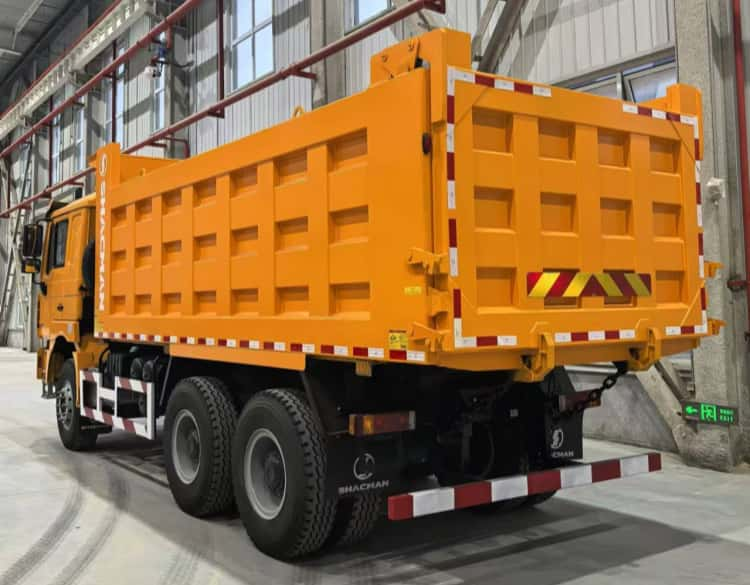
Final Takeaway
A service action answers the question: “What work have we performed?” An industrial state answers the question: “What verified condition is this asset in?” REMAN ROAD’s framework positions genuine truly remanufacturing as this durable, auditable industrial state, rather than a transactional repair job.
This standardised, repeatable condition is the foundation of consistent fleet uptime, reliable TCO forecasting and a circular heavy-asset economy that global mining and logistics buyers can trust.