CAPEX Optimization: Balancing Upfront Investment with Standard Reman Trucks
Introduction
Capital expenditure, or CAPEX, represents the funds a fleet spends to acquire long-term assets such as heavy trucks. For construction, mining and infrastructure operators, fleet expansion often requires substantial one-time cash outlays. Buying brand-new heavy trucks locks up huge amounts of capital. While ordinary used trucks reduce initial spending, they introduce costly operational risks that can destroy project profits.
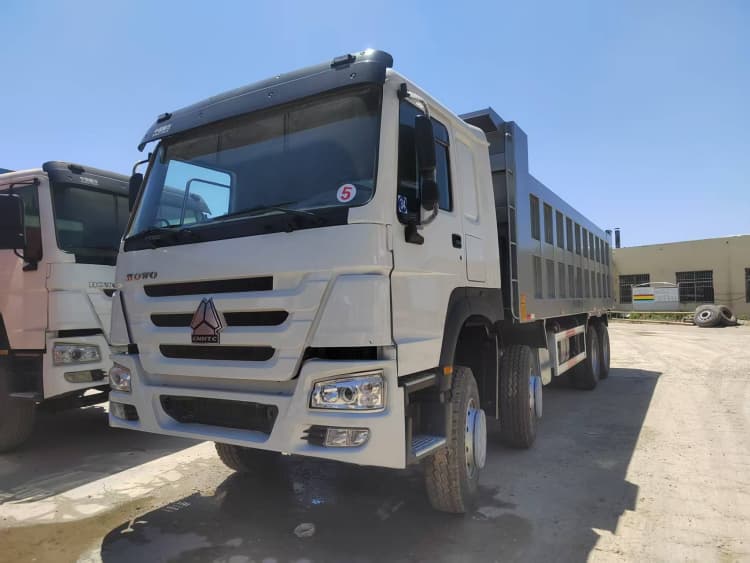
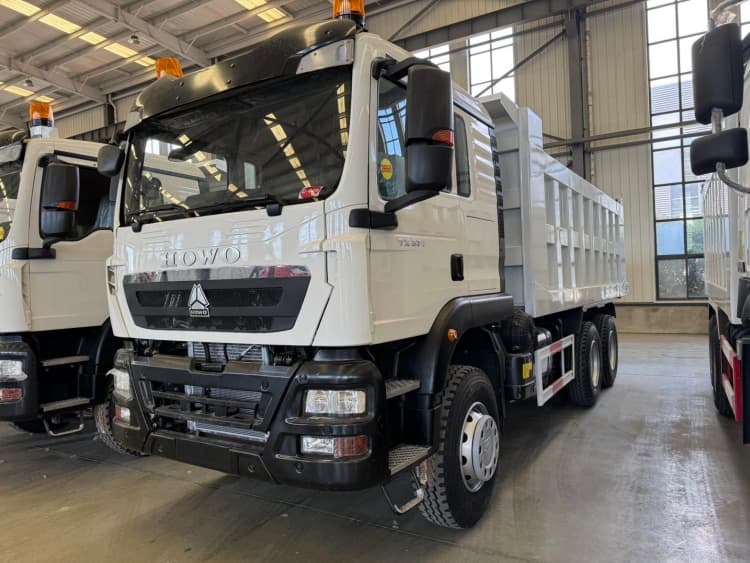
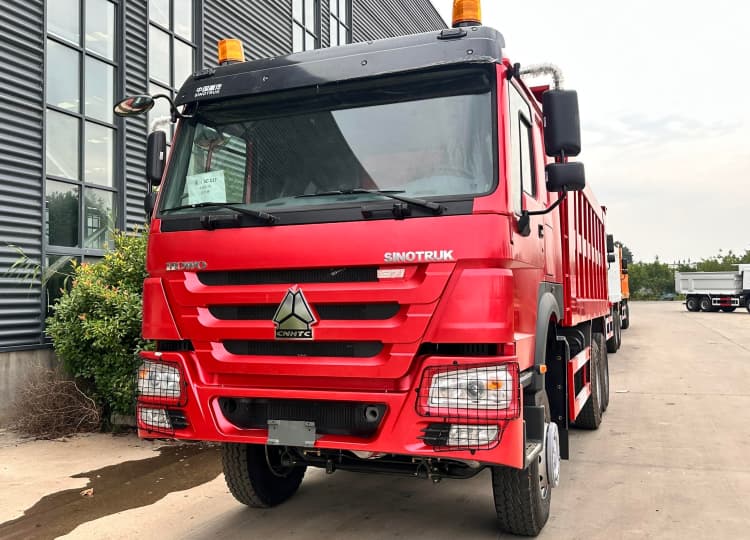
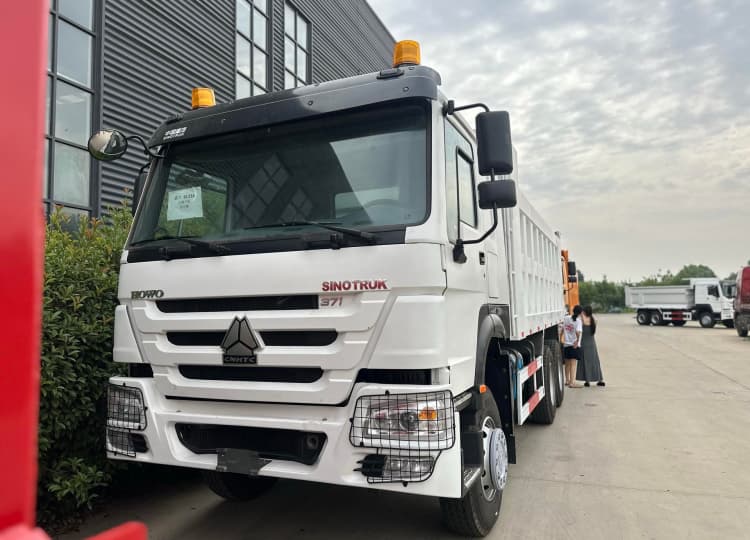
Standard reman truck create a middle path for CAPEX planning. They deliver reliable heavy-duty performance without the extreme upfront price tag of new OEM trucks, helping finance and procurement teams balance investment scale, cash flow and operational risk. This article explains how standard reman truck support smarter CAPEX optimization.
What CAPEX Means for Heavy-Duty Fleet Projects?
For fleet operators, CAPEX covers the purchase of heavy vehicles that will be used over multiple years. Unlike operational expenditure (OPEX) such as fuel, daily maintenance and labor, CAPEX is a large, upfront capital investment.
Large CAPEX commitments tie up working capital, increase financing principal and interest payments, and reduce available cash for other critical project needs, including site development, spare parts inventory and payroll.
Many mid-term project fleets only need reliable trucks for a fixed contract period of 3–5 years. Investing in brand-new vehicles for short-to-medium projects often results in inefficient capital allocation, because most of the new truck’s steep depreciation hits in the earliest years of ownership.
The CAPEX Dilemma: New vs Ordinary Used Trucks
Brand-new heavy trucks
New trucks require the highest CAPEX. Financing larger loan amounts increases interest expense. If the project ends after only three or five years, the fleet sells the truck when depreciation is at its fastest. Much of the initial capital investment has already vanished, creating poor capital efficiency for limited-duration projects.
Ordinary used trucks
Used trucks minimize upfront CAPEX. However, this reduction in initial spending comes with hidden operational risk. Unpredictable breakdowns create emergency repair costs and downtime losses, which fall under OPEX but can quickly erase any CAPEX savings. Finance teams often face unexpected budget overruns that are hard to forecast.
How Standard Reman Optimizes CAPEX Allocation?
Standard reman trucks require significantly less upfront capital than new trucks. This cuts the size of the initial investment and reduces loan principal if financing is required, lowering interest charges over the asset holding period.
At the same time, standard remanufacturing eliminates the unpredictable failure risks of ordinary used trucks. It prevents large unplanned OPEX spikes caused by breakdowns and downtime. The fleet avoids trading CAPEX savings for costly operational surprises.
Standard reman truck allow companies to preserve working capital. Cash that would have been spent purchasing new trucks can be retained and deployed elsewhere, such as expanding project scope, stocking critical spare parts or building contingency funds. This flexibility is especially valuable for contractors managing multiple concurrent projects.
Aligning Asset Lifespan with Project Duration
A core principle of good CAPEX planning is matching the usable life of an asset to the length of the project.
- New trucks are engineered for long service lives of 7 years or more. Deploying them on a 3–5 year project means paying for asset lifespan that the fleet will never fully use.
- Standard reman truck are ideally suited for mid-term contracts. After industrial regeneration, they have a proven stable service life that perfectly fits 3–5 year project cycles. At project completion, the asset still retains measurable residual value, which can offset the original CAPEX. This alignment avoids over-investing in unused service capacity.
Flexible Financing and Balance Sheet Benefits
Smaller acquisition costs for reman trucks create more flexible financing terms. Lower principal requirements reduce monthly repayment burdens. This can improve key financial metrics such as debt service coverage ratio for project companies.
For accounting purposes, standard reman truck can be depreciated based on their reset useful life after remanufacturing. Finance teams can structure depreciation schedules to better match project revenue streams, smoothing profit and loss reporting over the contract period.
Avoid Over-Capitalization for Scaling Fleets
When contractors need to rapidly expand fleet size for a new project, new trucks can be difficult to procure quickly and expensive to fund. Standard reman truck offer a faster, more capital-efficient route to scale up fleet capacity.
Instead of committing massive capital to a full fleet of new vehicles, procurement teams can deploy certified reman assets to meet temporary heavy haul requirements. Once the project finishes, the fleet can sell or phase out standard reman truck without the severe capital loss associated with early disposal of new OEM trucks.
Common Misconceptions About Reman and CAPEX
- Myth: The lowest possible upfront purchase price equals the best CAPEX strategy. Fact: CAPEX must be evaluated alongside OPEX and downtime risk. Cheap used trucks reduce upfront spending but may trigger large unplanned costs, making the overall investment worse.
- Myth: Only new assets are acceptable for formal project CAPEX budgets. Fact: Standard reman truck with complete traceable documentation can be capitalized as long-term assets. The full reman certification package supports audit requirements for project finance.
- Myth: Reman trucks still cost more than used trucks, so they cannot optimize capital spending. Fact: While reman carries a small premium over basic used trucks, that premium buys reliability. It prevents unexpected downtime losses that can be far larger than the price difference, improving total capital efficiency.
Practical Checklist for CAPEX Decision-Making
- Compare total capital outlay and projected financing interest between new, used and reman options.
- Match the expected service life of the asset to your project contract length.
- Model projected downtime and emergency repair costs as part of the full financial evaluation.
- Confirm the reman supplier provides full certification and test records required for internal financial audits.
- Include projected residual value at disposal to calculate net capital cost.
Conclusion
CAPEX optimization is not simply about minimizing upfront purchase price. It is about matching capital investment to project cycles, preserving working capital and balancing capital spending against operational risk.
Standard reman truck offer a balanced solution. They cut the large initial capital commitment required for new trucks, while avoiding the unpredictable breakdown risks of ordinary used fleets. For mid-term construction and mining projects, standard reman truck help finance teams deploy capital efficiently, maintain cash reserves and align asset lifespan with project revenue.
When building the business case for fleet CAPEX, decision-makers should evaluate remanufacturing as an independent asset category, supported by full reman documentation and verified quality standards.