Near-New Performance Restoration: The Core Principle of Industrial remanufacturing
Introduction
Many market participants misunderstand remanufacturing as merely repairing broken vehicles to basic operability. In industrial remanufacturing workflow, the ultimate objective is far higher: restoring the asset to near-new performance. This core principle separates industrial reman truck from simple repair, overhaul or cosmetic refurbishment.
Near-new performance is not a vague marketing slogan. It is a measurable, quantified target enforced by fixed industrial standards. This article explains what near-new performance means, how remanufacturers achieve it, and why this principle matters for global fleet buyers.
Definition of Near-New Performance in Industrial Remanufacturing
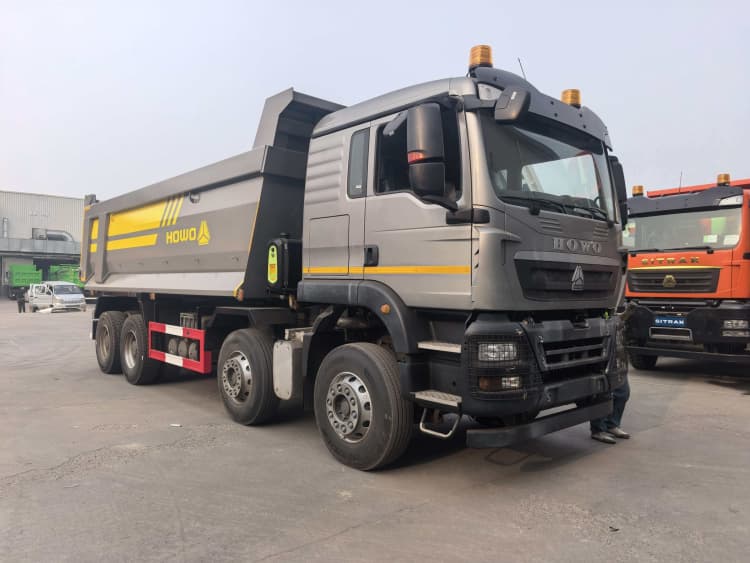
Near-new performance means the reman truck’s functional indicators fall within the OEM-specified tolerance range for a brand-new equivalent unit. It does not require every component to be brand new. Reusable base substrates such as frame, engine block and axle housing are retained only after passing strict inspection.
But the overall power output, torque, braking efficiency, hydraulic response, oil consumption, vibration level and load-carrying capacity must meet performance benchmarks close to a newly manufactured truck. The goal is to eliminate performance degradation accumulated over the first service life, so the truck can reliably complete a full second operating cycle under heavy-duty working conditions.
Why Near-New Performance Is the Foundational Principle of Industrial Remanufacturing?
Ordinary repair or overhaul only fixes known faults. The vehicle may run, but hidden wear and performance decay remain. The truck’s maximum load capacity, stability or braking capability may still be below original specifications.
Industrial remanufacturing is built on a different logic: the finished asset should behave and perform like a new truck when deployed to the job site. This principle dictates every step of the whole remanufacturing workflow, from core selection, component inspection, part renewal, precision machining to final validation.
If the final vehicle cannot reach near-new performance standards, it cannot be classified as industrial remanufacturing, no matter how many parts are replaced or how well the cab is repainted.
Key Workflow Steps to Achieve Near-New Performance
Core screening and elimination of unqualified cores
The industrial remanufacturing workflow starts before disassembly. Retired truck cores are screened by visual inspection, thickness measurement and NDT non-destructive testing. Any core with irreparable frame cracks, severe corrosion or permanent structural deformation is rejected immediately. A damaged base structure can never be restored to near-new performance, regardless of component replacement.
Full disassembly and component grading
The whole vehicle is completely stripped down to individual components. Every part is cleaned, measured and assessed. Components are sorted into reusable, repairable, replaceable or scrap. Parts that cannot be restored to OEM dimensional tolerances are discarded.
Precision machining and proactive fatigue part replacement
Worn metal mating surfaces are machined to recover original OEM dimensions. All fatigue-limited consumables including bearings, seals, gaskets, piston rings and hoses are replaced proactively, not only when they fail. These small components are critical to maintaining near-new power, sealing and vibration performance over time.
System-level bench testing
Individual assemblies are tested on dedicated benches. Engine dynamometer tests verify power, torque and fuel consumption. Axle, brake and hydraulic system bench tests check response, leakage and load capacity. These quantitative tests confirm each subsystem meets near-new performance thresholds before final assembly.
Loaded road validation
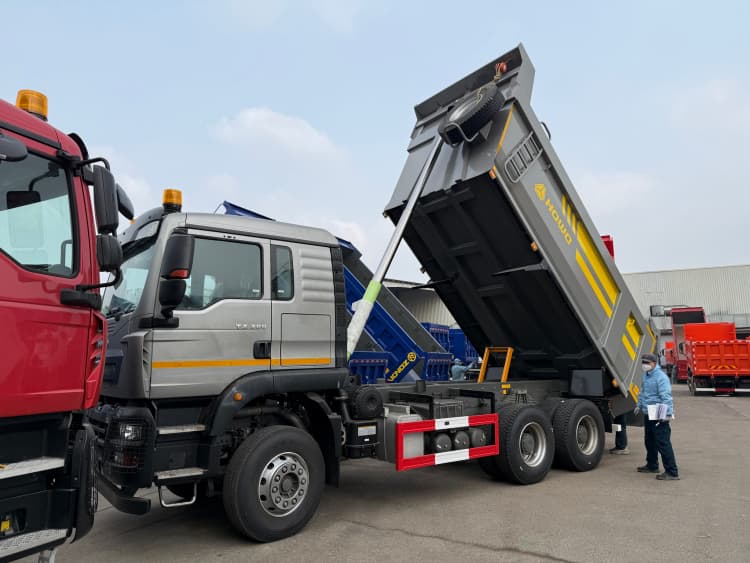
After full reassembly, the industrial reman trucks undergoes loaded road testing under working payload. Technicians evaluate acceleration, braking stability, steering response, vibration and temperature behaviour under real operating conditions. Road test data is recorded and linked to the vehicle VIN.
What “Near-New” Does NOT Mean
- It does not mean brand-new appearance only. New paint, new tyres and cleaned cab are cosmetic upgrades and do not prove mechanical performance.
- It does not mean identical to a brand-new truck in every physical detail. Original base casting substrates can remain, provided they pass inspection.
- It does not mean zero wear forever. Like any vehicle, industrial reman trucks will gradually degrade with operating hours. The difference is that degradation starts from a near-new baseline, with predictable wear rates.
- It is not a subjective judgement by technicians. It must be proven by objective test data.
Business Value for Fleet Buyers
When industrial reman trucks achieves near-new performance, fleets gain multiple practical benefits.
- First, the vehicle can handle the same heavy payload and off-road workload as a new truck. It meets the project’s full operational requirements without performance limitations.
- Second, the wear curve resets. The asset’s degradation rate follows a pattern similar to a new truck, so maintenance schedules become predictable.
- Third, the risk of sudden performance drop or structural failure is greatly reduced, cutting unplanned downtime.
- Finally, near-new performance supports stable residual value. Future buyers can trust the asset’s working capability when the fleet resells the truck at the end of the project.
Common Market Misconceptions
- Myth: Near-new performance means the truck looks new. Fact: Appearance is irrelevant. Performance is measured by power, brake function, leakage and load capacity, not paint or body condition.
- Myth: Replacing a few major parts is enough to reach near-new performance. Fact: Partial part replacement cannot restore whole-vehicle performance. Hidden wear across frame, axles and steering must be inspected and repaired systematically.
- Myth: Near-new standards are loose and easy to satisfy. Fact: Industrial remanufacturing uses quantified OEM tolerance limits. If bench or road test results fall outside the acceptable range, the unit must be reworked before delivery.
Conclusion
Near-new performance restoration is the core principle that defines industrial remanufacturing. It is a quantified performance target, not cosmetic renovation. Through strict core screening, full disassembly, precision component restoration, proactive renewal of fatigue parts and systematic bench plus road testing, reset the asset’s functional state.
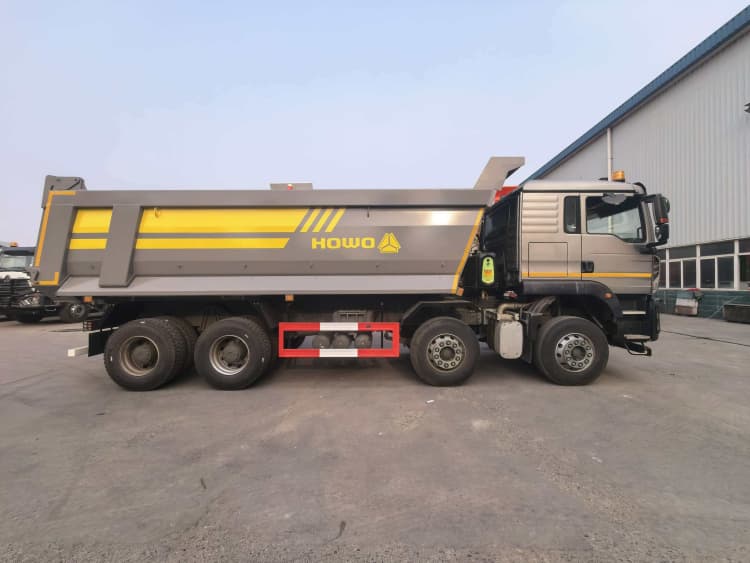
The finished heavy truck recovers performance close to OEM new specifications, ready for a complete second heavy-duty lifecycle. For fleet procurement teams, verifying these quantified performance test records is the most reliable way to distinguish genuine industrial remanufacturing from simple refurbishment or overhaul.