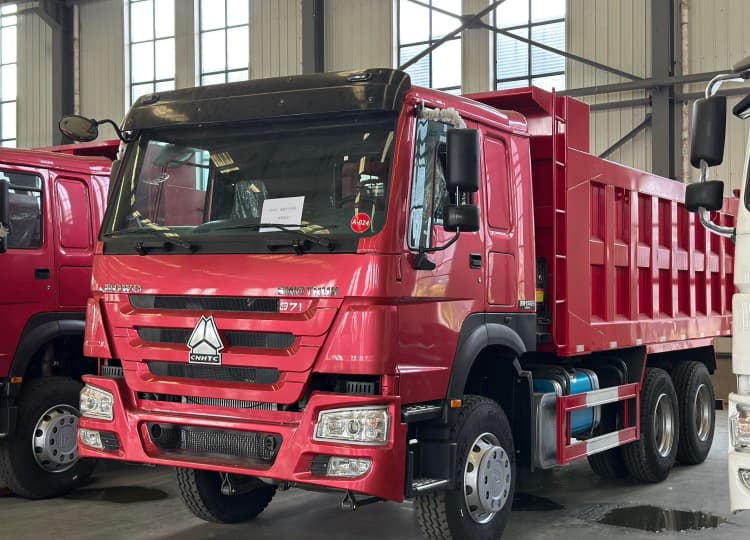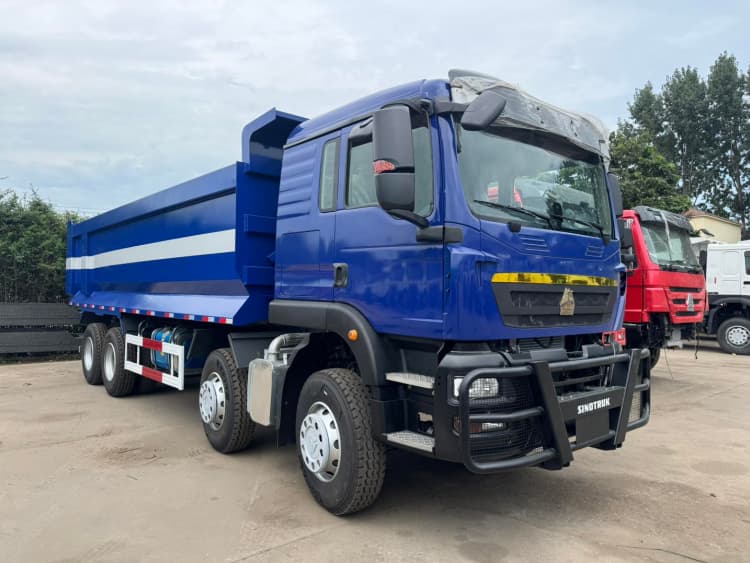
Downtime Cost Savings: The Hidden Economic Benefit of Standardized Reman Trucks
Introduction
When fleet managers compare vehicle procurement options, most focus on visible costs: purchase price, spare parts and routine maintenance. But for heavy-duty fleets operating on fixed-term construction, mining and infrastructure projects, the most expensive expense is often unseen: downtime.
A truck sitting idle does not merely lose revenue from that single vehicle. It can halt an entire production chain, trigger contract penalties and waste the labor of the whole on-site team. Standardized reman truck reduce unplanned breakdown risk, delivering substantial hidden savings by minimizing downtime. This article breaks down these critical economic benefits.
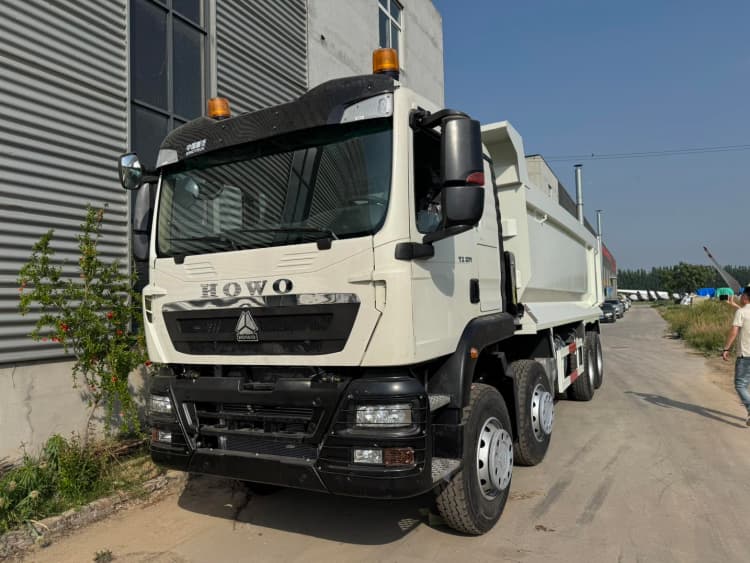
What Is Downtime Cost for Heavy Vehicle Fleets?
- Downtime cost includes both direct and indirect losses when a truck fails unexpectedly and cannot perform its assigned work.
- Direct downtime costs cover emergency repair labor, rush-order spare parts, vehicle recovery and rental fees for temporary replacement trucks.
- Indirect losses are usually far larger. These include lost daily output, delayed project milestones, contractual liquidated damages, idle crew wages and wasted site overhead.
- For mining or earthmoving projects, one broken heavy truck can stop loading, hauling and dumping workflows. The financial damage can quickly exceed the repair cost of the vehicle itself.
Why Ordinary Used and Refurbished Trucks Bring High Downtime Risk?
- Ordinary used heavy trucks carry accumulated hidden metal fatigue across frames, axles, steering assemblies and engine components. Visual inspections cannot detect subsurface cracks and slow degradation.
- Basic refurbished vehicles only fix obvious broken parts. Fatigue-prone components that are still functional but nearing failure remain in place. These hidden defects tend to fail suddenly under heavy payload, vibration or off-road working conditions. Breakdowns happen unpredictably.
- Fleet planners cannot schedule these failures in advance, leading to urgent site disruptions. Each sudden failure creates cascading downtime losses that eat into project profit margins.
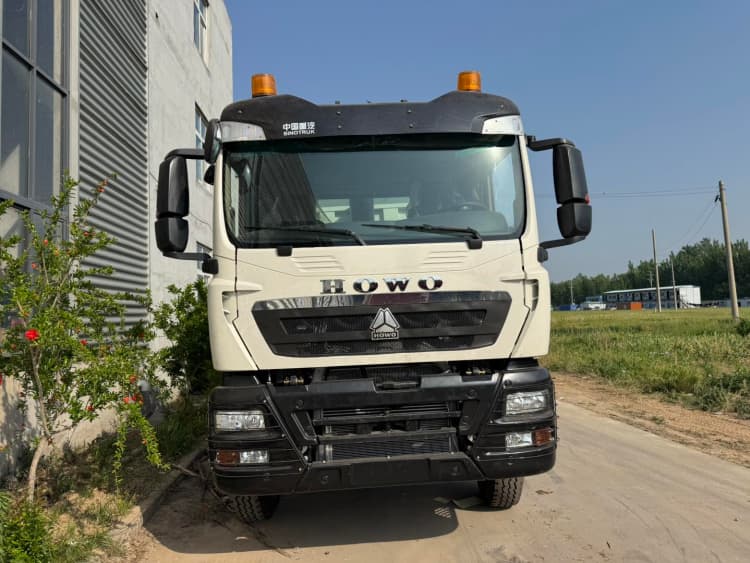
How Standardized Reman Eliminates Root Causes of Unplanned Breakdown?
The standardized remanufacturing workflow targets the source of unexpected downtime: hidden defects and aging fatigue components.
- Before rebuilding, every core vehicle passes NDT non-destructive testing for load-bearing structures.
- Cores with irreparable cracks or severe corrosion are rejected at the very beginning.
- The whole truck is fully disassembled, and every component is cleaned, measured and graded.
- All fatigue-limited consumables are proactively replaced according to fixed standards, not only parts that have already failed.
- Worn mating surfaces are precision-machined back to OEM tolerances.
- After reassembly, the vehicle completes engine dynamometer testing, system bench tests and loaded road validation before delivery.
This full regeneration removes the “time bomb” faults that cause sudden roadside or on-site failures.
Reducing Unplanned Downtime Brings Multi-Layer Savings
Stable project schedule and avoid contract penalties
Standardized reman truck have far fewer unexpected stops. Project timelines stay on track, and fleets avoid expensive late-delivery penalties written into construction or mining contracts. These penalty fees are one of the biggest financial risks for project-based fleets.
Avoid idle labor and site overhead losses
Operators, maintenance crews and supporting site teams remain productive when the hauling fleet runs reliably. If trucks break down, workers are left idle while site operating costs still continue. Fewer breakdowns keep labor investment productive every working shift.
Cut emergency service and expedited parts premiums
Emergency repairs require overtime technicians and expedited shipping for spare parts, which usually carry steep surcharges. Standardized reman truck follow predictable scheduled maintenance cycles. Fleet teams can plan part purchases and service windows in advance, eliminating premium emergency costs.
Less need for backup rental trucks
Many fleets maintain extra rental trucks as emergency backups to offset unreliable used vehicles. With standardized reman truck’ stable reliability, the requirement for expensive temporary rental fleets decreases, cutting ongoing rental expenditure.
Planned Maintenance vs Unplanned Breakdown
- All heavy trucks still require routine scheduled maintenance such as oil changes, filter replacement and brake inspections. This type of planned service creates minimal downtime because it can be arranged during off-hours or scheduled project breaks.
- Unplanned downtime is fundamentally different. It occurs randomly, interrupting active work and forcing emergency responses.
- The core advantage of standardized remanufacturing is shifting most vehicle service events from unexpected breakdowns into controllable scheduled maintenance.
Common Misconceptions About Downtime Risk
- Myth: Downtime only costs the lost revenue from the single broken truck. Fact: Heavy construction and mining operations are interconnected systems. One failed haul truck can stop excavation, loading and dumping operations across the whole site, multiplying losses.
- Myth: Minor failures only create short stops with little financial impact. Fact: Even small component failures on-site can trigger long waiting periods for parts and service technicians in remote mining or infrastructure zones. Short initial faults often turn into multi-day downtime.
- Myth: Reman trucks can still break down, so downtime savings are negligible. Fact: No vehicle is failure-free. But standardized remanufacturing workflow drastically reduces catastrophic, unplanned structural and powertrain failures. These high-impact failures are the main driver of costly downtime.
Suitable Scenarios Where Downtime Savings Shine Brightest?
- Downtime savings deliver the strongest return for fleets working on time-sensitive mid-term projects, especially in remote off-road sites.
- In these locations, spare parts and mobile repair support are difficult to access, so breakdowns have amplified consequences.
- For light-duty, low-priority tasks with flexible schedules, downtime risk is lower, and the financial advantage of reman may be less pronounced.
Conclusion
Downtime cost is the hidden economic factor that many fleet buyers ignore during procurement. Ordinary used and refurbished heavy trucks carry high risks of sudden failures, triggering cascading losses across projects. Standardized reman truck reduce unplanned downtime by eliminating hidden structural defects and renewing fatigue components through full disassembly, NDT inspection and complete performance validation.
The savings from avoided project delays, contract penalties and emergency repairs often outweigh the price difference between standardized reman truck and cheaper used alternatives. When evaluating fleet TCO, fleet decision-makers must calculate downtime losses alongside purchase and maintenance costs to fully understand the economic value of standardized reman truck.