The Distinction Between Standardised Reman Life Reset and Surface Cosmetic Restoration
Intro
Many fleet buyers get misled by similar-looking finished trucks. A freshly painted, cleaned truck may look brand new, yet its core components still carry hidden accumulated fatigue and wear. Standardised reman life reset is a mechanical, measurement-driven process that restores the usable service life of critical assemblies. Cosmetic restoration only improves appearance, without touching internal wear. This difference is not trivial — it decides whether your asset delivers stable long-term performance or expensive early breakdowns.
What Is Standardised Reman Life Reset?
Life reset is the core of genuine standardised remanufacturing. Its goal is to return high-load assemblies to a defined OEM performance and service-life baseline. The full standardised reman workflow follows fixed rules:
- Full disassembly of engine, transmission, axle, brake and steering assemblies down to individual parts.
- Complete cleaning, dimensional measurement and NDT non-destructive testing to identify cracks, fatigue and excess wear.
- Clear pass/fail rules: parts within tolerance are professionally restored; cracked, deformed or over-limit parts are scrapped and replaced.
- Reassembly to OEM torque, backlash and clearance specifications.
- Bench load testing, leak testing, ECU calibration and end-of-line functional validation.
- Full traceable documentation and formal certification linked to the VIN.
The outcome: latent wear defects are removed. The assembly’s service life clock is effectively reset, with predictable failure behaviour and known service intervals.
What Is Surface Cosmetic Restoration?
Cosmetic restoration focuses only on external visual presentation. It is the common “refurb look” that many sellers market as reman. Typical work includes:
- Sandblasting, painting and polishing chassis, cab and exterior covers
- Cleaning engine surfaces to remove oil and carbon stains
- Replacing damaged exterior lights, mirrors and trim panels
- Repairing minor cab dents and fitting new seat covers
- Basic fluid change and filter replacement
Crucially: core internal wear is not measured or fixed. Crankshaft journals, gear tooth surfaces, bearing seats and valve trains remain at their original worn condition. No NDT inspection, no bench performance test is required.
Core Differences
The fundamental difference lies in purpose and depth of work.
Standardised reman life reset is built around reliability and life extension. It starts with complete teardown of key assemblies, and every critical component gets measured and tested. NDT crack screening is mandatory, and any part that fails the tolerance standard must be replaced. The finished standardised reman truck goes through bench load tests, leak checks and ECU calibration before delivery. All actions are logged, and the certification is tied to the truck’s VIN. After standardised reman workflow, the failure curve becomes flat and stable; most service work only involves normal consumables, so downtime risk and long-term TCO stay predictable.
Surface cosmetic restoration is built for visual appeal. It rarely takes major assemblies apart. Inspections are mostly visual only, with no dimensional checks or crack detection. The worn internal parts stay in place. There is no systematic performance testing. Sellers may provide nice photos of the finished truck, but no technical test records. Such units carry hidden mechanical risks. Their failure pattern is unpredictable, and sudden catastrophic breakdowns are far more likely. While the upfront price is attractive, emergency repair bills and downtime losses can quickly push up the total ownership cost.
Why Cosmetic Restoration Often Fails Fleets?
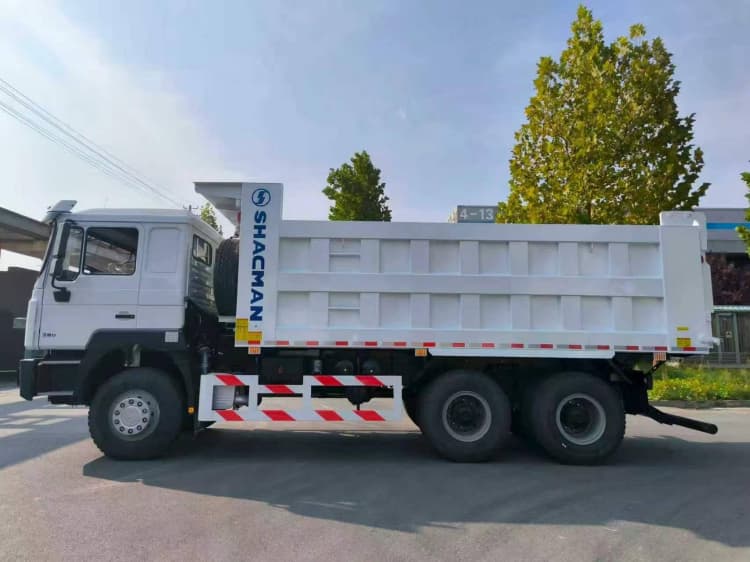
Cosmetic work hides warning signs. A truck with shiny paint can still have fatigue cracks in the crankshaft, worn gear bearings or degrading fuel injectors. These defects will fail under heavy site or haulage load. When they break down, repair costs are high, and downtime losses can erase the initial purchase savings. For fleet buyers, cosmetic restoration is a visual illusion, not an asset life reset.
Where the Line Gets Blurred?
Some suppliers mix the two: they do partial mechanical fixes plus a full cosmetic package. This hybrid is still NOT standardised reman life reset, if:
- Not all critical assemblies are fully disassembled
- NDT testing for high-load components is skipped
- There is no unified end-of-line performance benchmark
Cosmetic upgrades are acceptable as an add-on to formal reman, but they cannot substitute the mechanical life-reset workflow.
How Buyers Tell Them Apart During Procurement?
Ask these targeted questions:
- Has the engine and axle been fully disassembled, or only externally cleaned?
- Can you provide NDT reports and dimensional measurement records for crankshaft, block and gears?
- Is there an engine bench load test report with power and fuel data?
- Which parts were replaced, and which were restored?
- Is the certification based on mechanical testing, or only visual inspection?
If the seller only sends polished photos and avoids technical test records, it is almost certainly cosmetic restoration.
Final Takeaway
Standardised reman life reset targets the internal mechanical condition to rebuild service life. Cosmetic restoration only improves outward appearance. Paint and cleaning do not fix fatigue, wear or hidden cracks. For fleet TCO planning and uptime control, this distinction is non-negotiable: a truck that looks good is not the same as a truck that has been standardised reman workflow.